
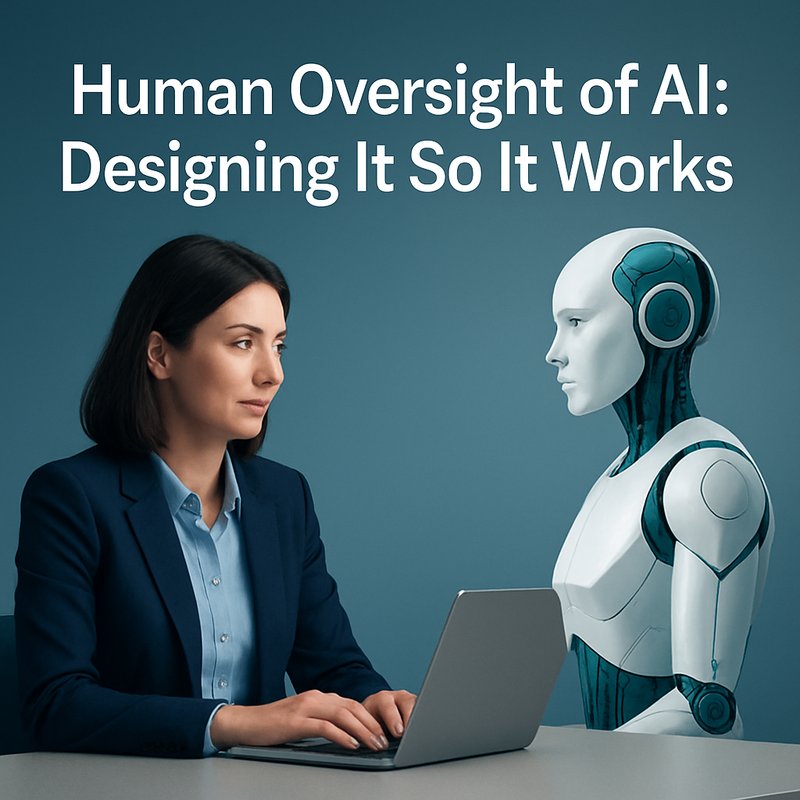
Human Oversight of AI: Designing It So It Works
As artificial intelligence (AI) technologies proliferate across industries, the debate surrounding human oversight of AI systems has gained significant traction. A recent report highlighted that 60% of executives believe AI should be subject to human oversight to ensure ethical and effective outcomes. The challenge lies not just in recognizing this need but in designing systems that effectively integrate human intervention without stifling the advantages AI offers. This article delves into the critical aspects of human oversight in AI, outlining its importance, implications, and strategies to design AI systems that work in tandem with human judgment.
Table of Contents
The integration of human oversight in AI systems matters immensely today, as organizations grapple with the ethical implications and accountability of AI-driven decisions. By understanding how to design AI that incorporates human oversight, organizations can foster a collaborative environment where human intelligence and algorithmic capabilities complement each other, ultimately yielding better outcomes.
The Importance of Human Oversight in AI
Human oversight of AI is crucial for several reasons. First, it enhances accountability. AI systems, especially those making high-stakes decisions—such as in healthcare or finance—must be held accountable for their actions. Without human oversight, there is a risk of perpetuating biases inherent in data, leading to unfair outcomes. Second, oversight promotes transparency in decision-making processes. Stakeholders need to understand how AI reaches its conclusions, especially when the results impact lives.
For instance, consider the case of a hiring algorithm that inadvertently favors specific demographics due to biased training data. If a human operator is involved in reviewing the algorithm’s recommendations, they can identify and rectify potential biases before any decisions are made. This oversight ensures that the organization adheres to ethical standards while leveraging AI’s capabilities for efficiency.
Designing for Human-AI Collaboration
Effective human oversight of AI systems requires intentional design that encourages collaboration. This begins with establishing clear roles for both humans and AI. AI should serve as a tool to assist human decision-making rather than replace it. The implementation of user-friendly interfaces allows operators to interact with AI systems seamlessly, ensuring they can easily interpret AI outputs and intervene when necessary.
In practical terms, organizations can employ methods such as explainable AI (XAI), which seeks to make AI decisions understandable to non-technical stakeholders. Research by Stanford AI Index emphasizes that explainability is a critical component in building trust in AI systems, particularly in sectors like healthcare and finance. By designing AI systems that provide insights into their decision-making processes, organizations can enhance human oversight and facilitate informed decision-making.
Accountability and Ethical AI Design
With the growing integration of AI in decision-making, ethical design becomes paramount. Organizations must prioritize accountability by embedding ethical considerations within AI development processes. This involves establishing clear governance frameworks that outline the responsibilities of human operators and the AI systems they oversee.
The EU AI Act is an example of a legislative effort aimed at ensuring that AI systems are designed and operated in a manner that respects fundamental rights and ethical principles. By adhering to such regulations, organizations can ensure that their AI implementations are accountable to stakeholders and society as a whole. This accountability not only builds trust with users but also mitigates the risks associated with the deployment of AI technologies.
Technical Deep Dive: Implementing Oversight Mechanisms
To effectively implement human oversight in AI, organizations can employ several technical mechanisms. Here’s a step-by-step approach:
- Define the Oversight Framework: Establish clear criteria for when human intervention is necessary. This may include thresholds for confidence levels in AI predictions.
- Develop Explainable Models: Utilize techniques such as LIME (Local Interpretable Model-agnostic Explanations) to help human operators understand AI decisions. This allows for better interventions when predictions are unclear or questionable.
- Implement Feedback Loops: Create systems where human operators can provide feedback on AI decisions, which can then be used to retrain and improve models. This iterative process ensures continuous learning and adaptation.
- Monitor and Audit AI Decisions: Regularly assess AI outputs against actual outcomes to identify discrepancies and areas for improvement. This auditing process should be transparent and documented for accountability.
Common pitfalls include neglecting to involve human operators in the design phase or failing to provide adequate training on how to interpret AI outputs. Organizations should prioritize training programs that equip employees with the necessary skills to work alongside AI effectively.
Case Studies of Human Oversight in AI
Case Study 1: Healthcare Diagnostics
In the healthcare sector, AI is increasingly used for diagnostic purposes. A prominent example is IBM Watson, which assists doctors in diagnosing diseases. However, Watson’s early iterations faced criticism for suggesting treatments without sufficient human oversight. In response, healthcare providers began implementing review protocols where doctors would assess AI recommendations before making final decisions. This collaboration led to improved patient outcomes and reduced the risk of misdiagnosis.
Case Study 2: Financial Services and Credit Scoring
In the financial industry, firms have utilized AI to evaluate creditworthiness. However, concerns arose regarding bias in these algorithms. To address this, a major financial institution partnered with a third-party auditing service to enhance transparency and accountability in its AI systems. By allowing human auditors to review the algorithm’s decision-making process, the institution was able to identify and correct potential biases, ensuring fairer lending practices.
FAQ Section
Q: Why is human oversight necessary in AI systems?
A: Human oversight is essential to ensure accountability, transparency, and ethical decision-making. It helps prevent biases in AI outputs and enables informed decisions, especially in high-stakes environments.
Q: How can organizations implement effective human oversight?
A: Organizations can implement effective oversight by defining clear roles, developing explainable AI systems, establishing feedback loops, and regularly monitoring AI decisions against actual outcomes.
Q: What are the common challenges in integrating human oversight?
A: Common challenges include resistance to change, lack of understanding of AI systems among operators, and inadequate training on interpreting AI outputs.
Q: Are there legal frameworks guiding AI oversight?
A: Yes, frameworks like the EU AI Act provide guidelines for ethical AI design and accountability, ensuring that AI systems operate within legal and ethical boundaries.
Q: How does explainable AI contribute to oversight?
A: Explainable AI helps human operators understand the rationale behind AI decisions, enabling them to identify errors or biases and intervene effectively when necessary.
Q: What role do audits play in AI oversight?
A: Audits are crucial for assessing the performance and fairness of AI systems. They provide insights into discrepancies between AI predictions and actual outcomes, facilitating improvements and accountability.
Conclusion
Incorporating human oversight of AI is not merely an ethical obligation; it is a strategic necessity for organizations aiming to harness AI effectively. Key takeaways include:
- Human oversight ensures accountability and promotes ethical decision-making.
- Designing AI for human-AI collaboration enhances transparency and trust.
- Implementing oversight mechanisms is critical for continuous improvement and bias mitigation.
Organizations must take actionable steps to integrate human oversight into their AI systems, ensuring that both human judgment and machine intelligence work synergistically. As the landscape of AI continues to evolve, the commitment to ethical AI design and accountability will define the success and sustainability of these technologies.