
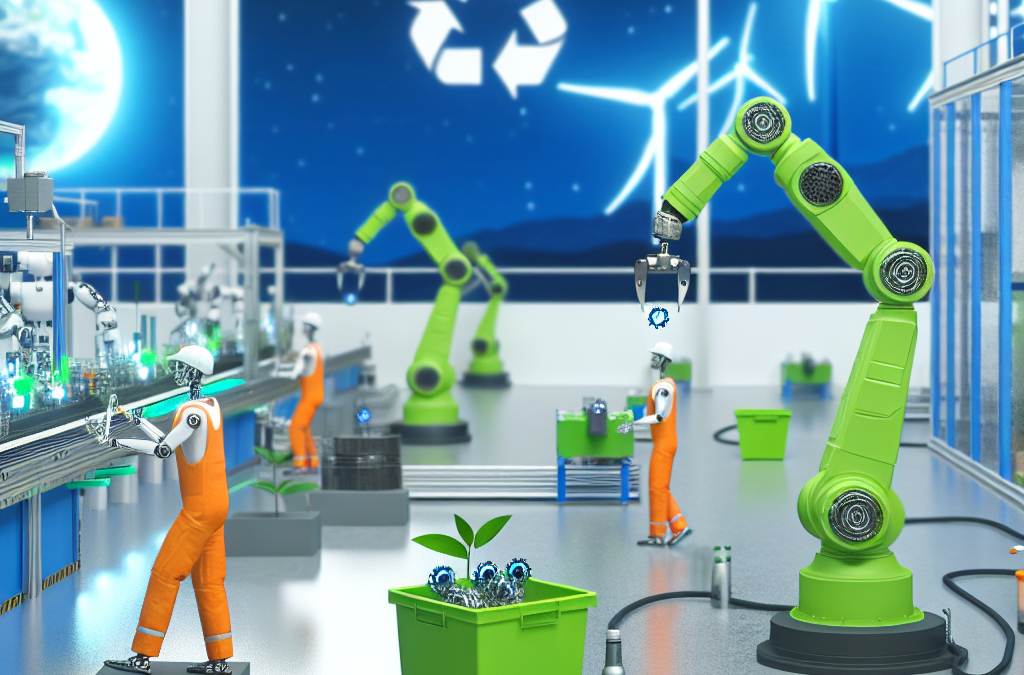
In the era of Industry 4.0, the integration of artificial intelligence into manufacturing processes is transforming how industries operate, from supply chain management to flexible production and customized manufacturing. This article explores how AI and its complementary technologies such as machine learning and computer vision are revolutionizing modern manufacturing.
The AI Revolution in Manufacturing
The arrival of artificial intelligence in manufacturing represents a crucial paradigm shift. Production environments are evolving towards smart factories, where automation and connectivity play a central role. Platforms driven by machine learning and predictive algorithms are optimizing inventory management and production planning, enabling an unprecedented level of adaptability.
Advancements in computer vision have enabled significant improvements in quality control. Machines with AI are capable of detecting defects with a precision that surpasses human ability, ensuring that only high-quality products reach the market. Furthermore, cobots, or collaborative robots, are redesigning the workplace by taking on repetitive and hazardous tasks, allowing human workers to focus on higher value-added activities.

Predictive maintenance is another area transformed by artificial intelligence. Industrial equipment can now predict failures before they occur, thanks to predictive models that analyze data in real time. This not only results in greater operational efficiency, but also minimizes operational risks and significantly reduces unplanned downtime, supporting the continuity of operations.

Innovación, Sustentabilidad y Ventaja Competitiva
The techniques of generative AI and generative design enable companies to innovate in their production processes. These tools create new shapes and structures that were previously unimaginable, promoting the development of lighter and more efficient products. The integration of digital twins now allows for the simulation and optimization of manufacturing processes before implementation, ensuring that practices are sustainable and energy-efficient.
AI is also playing a crucial role in energy management and sustainability. By optimizing energy and resource consumption within factories, companies can reduce their carbon footprint and move towards a more eco-friendly production model. These factors not only meet sustainability standards but also provide a crucial competitive advantage in an increasingly environmentally conscious market.
The automotive industry, the pharmaceutical industry, and the aerospace industry are already reporting significant benefits from the adoption of AI. From document search and summarization to product and spare parts search, artificial intelligence is redefining how these industries manage their operations, reducing costs, improving efficiency, and enhancing their ability to make informed decisions.
AI is also key to addressing the skills shortage in the workforce. Through workforce management, AI tools analyze work cycles, optimize shifts, and enhance change management and training, ensuring that factories operate efficiently, even in the context of a reduced availability of specific skills.
Finally, the concern for cybersecurity and operational risks has led to the implementation of advanced AI systems that protect critical infrastructures. These systems analyze patterns and proactively detect threats, ensuring that daily operations are not compromised by potential cyberattacks.
Artificial intelligence is transforming modern manufacturing, fostering innovation and sustainability while providing a competitive edge. With applications ranging from quality control to energy management, AI is essential for achieving more efficient and flexible production, enabling industries to thrive in an increasingly demanding environment.
How This Works in Practice
Implementing AI in manufacturing is a multifaceted process that requires careful planning and coordination among various stakeholders. The initial step involves assessing the current manufacturing processes and identifying areas where AI can provide the most benefit. This often starts with a thorough analysis of data availability, as AI systems rely heavily on high-quality data to function effectively.
Once data sources are identified, the next step is to establish the necessary infrastructure. This may include upgrading existing hardware, such as sensors and data collection devices, to ensure they can support AI applications. Cloud computing resources may also be considered to handle the large volumes of data generated in real-time.
Collaboration between IT and operational teams is crucial during this phase. IT professionals will need to work closely with manufacturing engineers to ensure that AI solutions are integrated seamlessly into existing workflows. This collaboration helps to align technological capabilities with operational needs, maximizing the effectiveness of AI implementations.
Following infrastructure setup, companies often pilot AI applications in controlled environments. For example, a manufacturing plant might implement a predictive maintenance tool on a single production line to evaluate its performance before a wider rollout. During this phase, continuous monitoring and feedback are essential to identify challenges and make necessary adjustments.
Training is another critical aspect of implementation. Employees must be educated not only on how to use the new systems but also on the data-driven decision-making processes that AI enables. This training fosters a culture of innovation and ensures that staff are equipped to leverage AI effectively.
After successful pilot testing and training, businesses can begin to scale AI applications across multiple departments and processes. This phase may involve further customization of AI tools to fit specific operational needs. Continuous evaluation and iteration are essential, as manufacturing environments can change rapidly, necessitating ongoing adjustments to AI systems.
What to Watch Out For
While the integration of AI in manufacturing offers significant benefits, there are limitations and potential pitfalls that decision-makers should be aware of. One common mistake is underestimating the importance of data quality. AI systems are only as good as the data they are trained on; poor-quality or biased data can lead to inaccurate predictions and suboptimal decision-making.
Another challenge lies in the complexity of AI technologies. Organizations may face difficulties in adapting their workflows to incorporate AI effectively. This can lead to resistance from employees who may view AI as a threat to their jobs rather than a tool to enhance their capabilities. Change management strategies are crucial to address these concerns and foster an environment of collaboration between human workers and AI systems.
Cybersecurity also poses a significant risk when implementing AI. As manufacturing operations become increasingly connected, the potential for cyberattacks grows. Companies must ensure that robust cybersecurity measures are in place to protect sensitive data and critical infrastructure from breaches.
Lastly, it’s important to recognize that AI is not a one-size-fits-all solution. The technology may not be suitable for every manufacturing scenario. In some cases, traditional methods may still be more effective or cost-efficient. Decision-makers should carefully evaluate the specific needs and context of their operations before fully committing to AI adoption.
Frequently Asked Questions
Q: What initial steps should we take before implementing AI in our manufacturing process?
A: Begin with a thorough assessment of your current processes and data availability. Identify areas where AI can add value, then establish the necessary infrastructure, ensuring collaboration between IT and operational teams for seamless integration.
Q: How can we ensure that our employees are on board with AI implementation?
A: Provide comprehensive training that not only teaches employees how to use new AI systems but also emphasizes the benefits of AI in enhancing their roles. Foster an open dialogue to address concerns and encourage collaboration between humans and AI.
Q: What are the risks associated with using AI in manufacturing?
A: Key risks include poor data quality leading to inaccurate predictions, potential job displacement fears among employees, cybersecurity threats due to increased connectivity, and the possibility that AI may not be suitable for every operational scenario.
Q: How can we measure the success of our AI initiatives in manufacturing?
A: Success can be measured through various metrics, such as improvements in operational efficiency, reductions in downtime, cost savings, enhanced product quality, and employee satisfaction. Continuous monitoring and feedback mechanisms are essential for ongoing evaluation.