
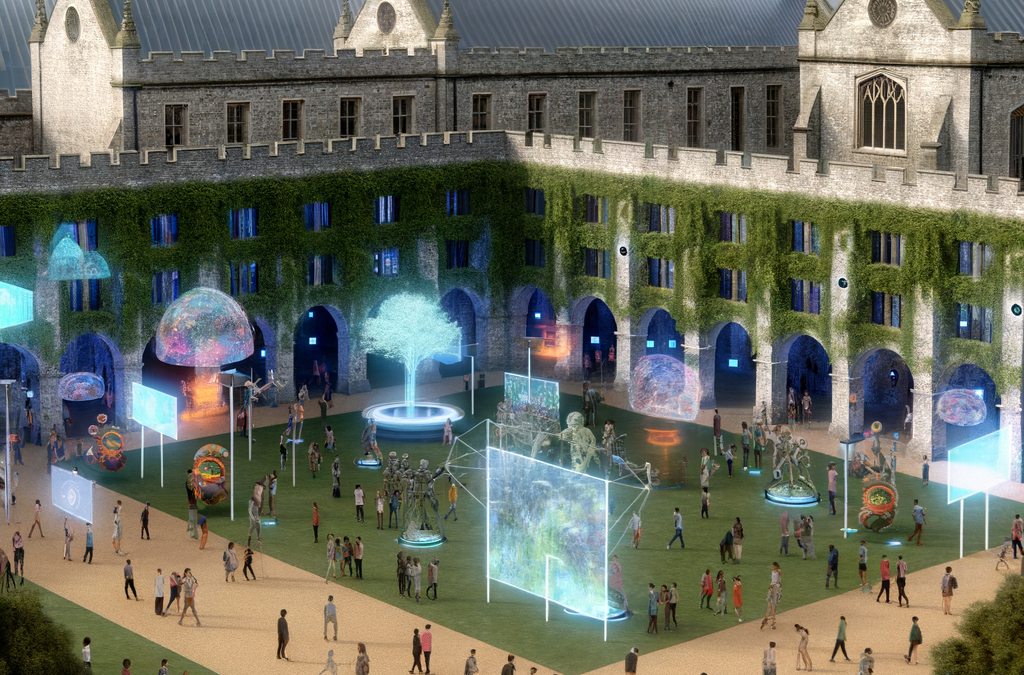
Artificial intelligence has emerged as a powerful tool that is transforming various fields, including culture and artistic expressions. This article will explore how artificial intelligence influences cultural communication, its impact on artistic creation, and how it is being integrated into university environments such as the Universidad Andina Simón Bolívar in Quito, Ecuador, highlighting aspects such as Creative Commons licenses and indexing metrics.
The Revolution of Artificial Intelligence in Artistic Expressions
The emergence of artificial intelligence in the cultural sphere has brought about a significant change in how we conceive and produce art. In this process of transformation, artificial intelligence has become a means to explore new artistic expressions, allowing creatives to experiment with forms of art that were previously unthinkable. Advanced algorithms can analyze styles, patterns, and color combinations to generate paintings, music, and even poems that challenge our traditional perception of art. This influence also extends to publishing, where some cultural magazines have begun to accept submissions and works produced or co-created by artificial intelligences, thereby broadening the framework of what could be considered human creativity.

The impact of artificial intelligence on cultural expressions is not limited to the creation of works. It also plays a crucial role in cultural communication. Automated analysis tools allow for a deeper and faster understanding of global cultural trends and preferences. By using statistics and metrics, patterns can be identified that help creators and educational institutions focus their projects and efforts on areas of greater interest or need. In this context, Creative Commons licenses have emerged as an essential element for facilitating the distribution and access to artistic creations, promoting a culture of collaboration and sharing that enriches the global cultural landscape.
Impact and Applications in the Academic Context
The Andean University Simón Bolívar, located in Quito, Ecuador, has been a prominent example of how academia can integrate artificial intelligence into its cultural and academic activities. The institution has opened calls for projects and studies related to artificial intelligence in art and culture, aiming to foster a new generation of intellectual leaders at this technological and cultural intersection. Furthermore, through indexed journals and publications, the university strives to promote the work of researchers and creators who explore these innovations, contributing to the indexing and dissemination of this knowledge at an international level.
Initiatives of this kind not only enhance the academic offerings but also strengthen the university’s international connections through strategic partnerships and collaborations. The establishment of contact and collaboration pathways with other institutions and artists creates a multiplier effect that extends the university’s impact beyond national borders. These efforts are reflected in the success metrics of academic programs, where innovation and the integration of advanced technologies are measurable through criteria such as the number of supported projects, publications produced, and the social impact of the implemented initiatives.

By embracing the capabilities of artificial intelligence, the Universidad Andina Simón Bolívar not only positions itself as a modern and relevant center of knowledge, but also becomes a leader in exploring and promoting the intersections between technology, culture, and art.
Artificial intelligence is redefining cultural creation and communication, expanding the boundaries of what is possible. In Quito, the Universidad Andina Simón Bolívar embodies this transformation by integrating technology into its academic environment. The use of AI in art and culture promises to continue evolving, profoundly influencing our future cultural practices and our understanding of creativity.
How This Works in Practice
Implementing artificial intelligence in the artistic and cultural context of universities like the Universidad Andina Simón Bolívar involves several operational steps and key stakeholders. First, a clear institutional strategy must be established to outline the goals and objectives of integrating AI into academic programs. This requires the involvement of university leadership, faculty members, and technology experts who will collaborate to create a cohesive plan.
Next, the university must ensure that the necessary technological infrastructure is in place. This includes acquiring software and hardware capable of supporting AI applications, such as machine learning platforms, data analytics tools, and creative software that can utilize AI capabilities. Additionally, training sessions for faculty and students are essential to familiarize them with these tools and their potential applications in art and culture.
Once the infrastructure and training are established, the university can initiate pilot projects that incorporate AI into artistic creation and cultural analysis. These projects may involve collaboration between various departments, such as art, computer science, and social sciences, fostering interdisciplinary approaches. Faculty members can guide students as they explore AI-generated art or use AI tools to analyze cultural trends, providing mentorship and support throughout the creative process.
Furthermore, partnerships with external organizations, such as tech companies and cultural institutions, can enhance these initiatives. Collaborations can provide additional resources, expertise, and networking opportunities for students and faculty alike. The sequence of implementation typically follows this pathway: strategic planning, infrastructure development, training, project initiation, and collaboration building.
Finally, the results of these projects should be evaluated through metrics such as student engagement, the quality of artistic outputs, and the impact on cultural discourse. This evaluation process helps refine future initiatives and ensures that the integration of AI remains aligned with the university’s educational mission.
What to Watch Out For
While the integration of artificial intelligence in academic environments offers numerous benefits, there are several limitations and potential pitfalls to consider. One common mistake is underestimating the importance of human creativity in the artistic process. AI can generate art based on patterns and data, but it lacks the emotional depth and personal experiences that human artists bring to their work. Relying too heavily on AI may lead to a homogenization of artistic expression, where unique voices are overshadowed by algorithmically generated content.
Another limitation is the accessibility of technology. Not all students or faculty may have equal access to the necessary tools or training, which could create disparities in participation and learning outcomes. Universities must ensure that resources are equitably distributed and that support is available for those who may struggle with new technologies.
Additionally, ethical considerations around copyright and ownership of AI-generated works must be addressed. The use of AI in artistic creation raises questions about authorship and intellectual property rights, which could complicate the distribution and recognition of creative works. Institutions should develop clear policies regarding the use of AI in art to protect both creators and the integrity of their work.
Finally, it is crucial to remain aware of the rapidly evolving nature of AI technology. What is considered cutting-edge today may become obsolete tomorrow, making it essential for universities to stay updated on advancements and adapt their programs accordingly. Failing to do so could result in outdated curricula that do not adequately prepare students for the future of art and culture.
Frequently Asked Questions
Q: How can artificial intelligence enhance artistic creativity?
A: Artificial intelligence can enhance artistic creativity by providing new tools and methods for exploration. AI can analyze vast amounts of data to identify trends and generate unique ideas, allowing artists to experiment with forms and concepts that they may not have considered otherwise.
Q: What role do faculty members play in integrating AI into the curriculum?
A: Faculty members play a crucial role in integrating AI into the curriculum by guiding students through the creative process, providing mentorship, and developing interdisciplinary projects that combine technology with artistic expression.
Q: Are there any risks associated with using AI in artistic creation?
A: Yes, there are risks, including the potential for homogenization of artistic styles, ethical concerns regarding authorship and copyright, and disparities in access to technology and training among students.
Q: How can universities ensure equitable access to AI resources for all students?
A: Universities can ensure equitable access by providing training programs, making technology available in common areas, and developing support systems for students who may need additional assistance in utilizing AI tools.