
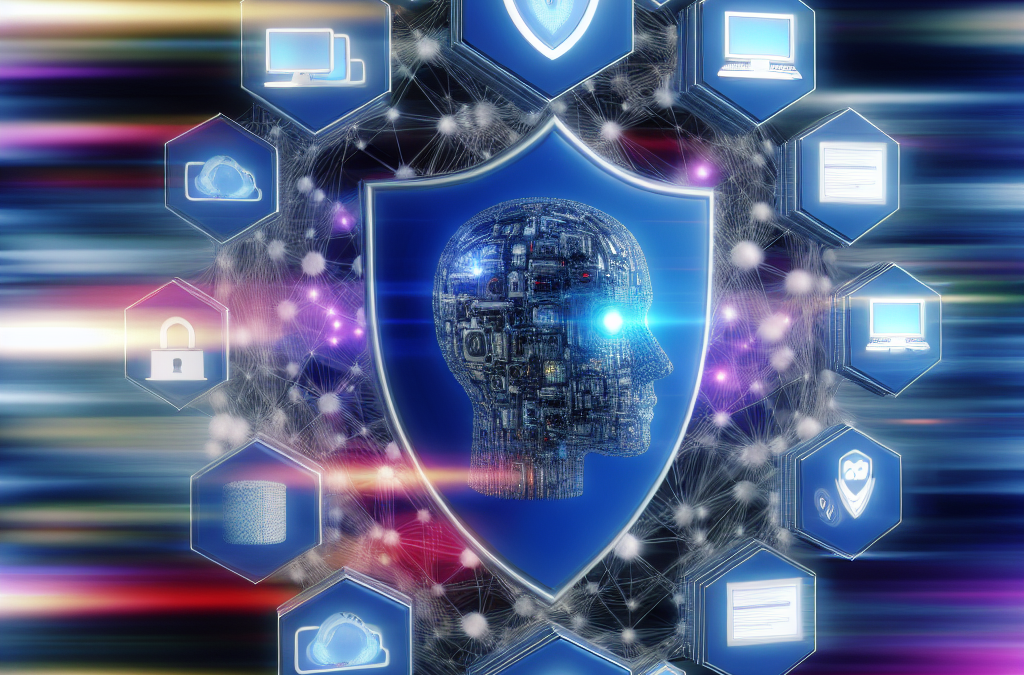
The integration of artificial intelligence in cybersecurity – advancements in threat detection – innovation in digital protection redefines cybersecurity. By applying machine learning, deep learning, and other advanced methods, the growing risks of cybersecurity are addressed and mitigated, strengthening adaptive defense and cyber resilience. This article explores how AI enhances threat detection and provides advanced solutions to the complex challenges emerging in the digital world.
The AI Revolution in Cybersecurity
The integration of artificial intelligence into threat detection solutions has revolutionized the way organizations approach cybersecurity. AI-driven security tools leverage advanced technologies such as machine learning, deep learning, and natural language processing to enhance the detection, response, and mitigation of a wide range of cyber threats. By analyzing patterns and behaviors, these tools can identify anomalies and predict potentially malicious actions before they escalate into critical events.
SOCs (Security Operations Centers) greatly benefit from the capabilities of AI-powered threat detection. By utilizing behavioral analytics, AI can distinguish between normal behavior and suspicious activities, thereby enhancing the accuracy of incident detection and reducing false positives. This not only increases operational efficiency but also allows security teams to focus on more sophisticated threats, such as phishing attacks or advanced intrusions driven by threat actors.
How AI Strengthens Cyber Resilience
Implementing an adaptive defense is one of the main benefits that AI brings to cybersecurity. By utilizing AI-driven detection models, organizations can maintain a dynamic security posture that evolves in response to new threats. Anomaly detection, a central aspect of AI solutions, enables the identification of subtle changes in the attack surface that could indicate an intrusion attempt.
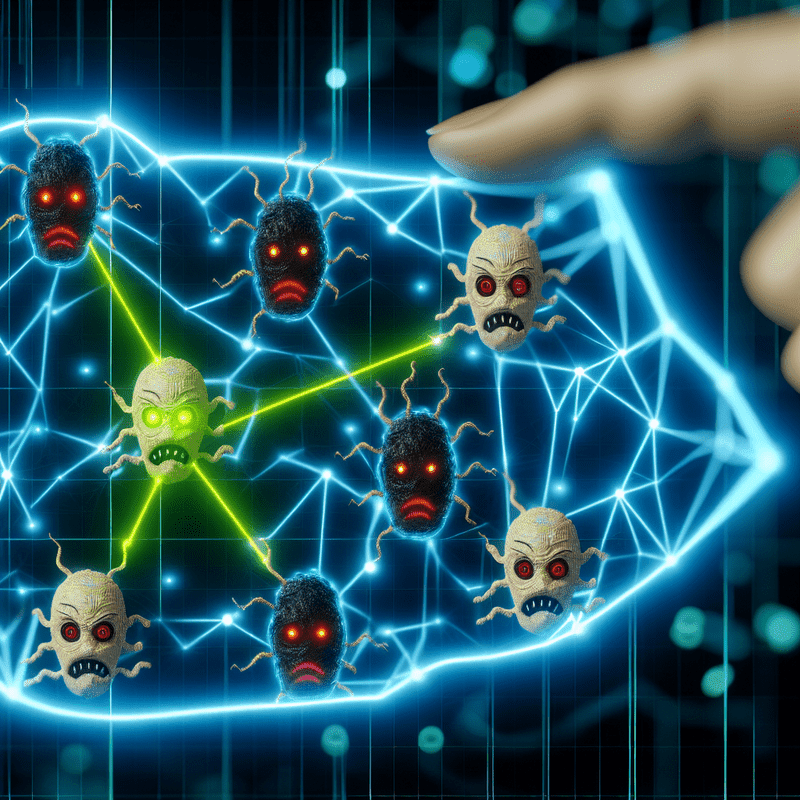
These technologies also promote the development of threat intelligence, gathering data from a variety of sources to identify patterns and trends in the threat landscape. AI systems can synthesize this information to provide security teams with deep and contextualized insights into threat actors and their preferred tactics. The ability to quickly adapt to new threats significantly enhances cyber resilience, minimizing the impact of cyberattacks and helping to maintain business continuity.

The combined use of malware detection and phishing detection powered by artificial intelligence ensures that threats are effectively neutralized before they can cause harm. These automated tools can identify previously unknown patterns, thereby mitigating risks before they materialize into serious incidents.
Artificial intelligence is transforming threat detection in cybersecurity. By integrating advanced methodologies of machine learning and behavioral analysis, organizations strengthen their adaptive defense, enhance anomaly detection, and bolster their cyber resilience against the ever-changing threat landscape. AI remains an essential ally in the face of the persistent and evolving threat actors.
How This Works in Practice
Implementing AI-driven threat detection in cybersecurity involves a series of methodical steps that ensure a robust security posture. The process typically begins with a comprehensive assessment of the organization’s existing security infrastructure. This initial evaluation identifies gaps in current defenses and areas where AI can be effectively integrated.
Once the assessment is complete, stakeholders, including IT security teams, system administrators, and management, collaborate to define specific objectives for AI implementation. This includes determining which types of threats are most relevant to the organization and what outcomes are desired from using AI tools.
Following this, organizations can select appropriate AI technologies that align with their goals. This might involve choosing machine learning models tailored to the organization’s unique environment or opting for comprehensive cybersecurity platforms that incorporate various AI capabilities.
Next, organizations need to ensure they have the necessary data infrastructure in place. This includes secure data storage solutions and data pipelines to facilitate the continuous flow of information from various sources, such as network traffic, user behaviors, and threat intelligence feeds. The quality and volume of data directly impact the performance of AI models, making this step crucial.
Once the technology and data infrastructure are established, training the AI models is the next step. This involves feeding the models historical data to help them learn and identify patterns associated with normal and malicious activities. Regular updates and retraining sessions are vital to adapt to evolving threats and maintain accuracy.
Finally, the deployment phase occurs, where AI systems are integrated into the existing security operations. Continuous monitoring and evaluation of the AI’s performance are essential, allowing organizations to fine-tune the models and improve detection capabilities over time. Collaboration between AI systems and human analysts is crucial, as it combines the efficiency of automated processes with the critical thinking capabilities of human experts.
What to Watch Out For
While AI-driven threat detection offers numerous benefits, there are limitations and potential pitfalls that organizations must be aware of. One significant trade-off is the reliance on high-quality data. Poor data quality can lead to inaccurate predictions and increased false positives, which may overwhelm security teams and lead to desensitization to alerts.
Another common mistake is underestimating the necessity of human oversight. While AI can automate numerous processes, the human element remains indispensable. Cybersecurity experts must interpret AI findings, validate alerts, and make strategic decisions based on contextual understanding that AI may lack.
Organizations should also be cautious about overfitting AI models to historical data. If models are too tailored to past incidents, they may struggle to adapt to novel threats or changing attack vectors. Regular updates and a diverse training dataset can help mitigate this issue.
Lastly, organizations must consider the ethical implications of AI in cybersecurity. The use of AI can lead to privacy concerns, especially if monitoring tools analyze user behavior without appropriate safeguards. Ensuring transparency and compliance with regulations is critical to maintaining trust and accountability.
Frequently Asked Questions
Q: How long does it take to implement AI-driven threat detection?
A: The implementation timeline can vary significantly based on the organization’s size, existing infrastructure, and specific goals. Generally, it can take several months to over a year to fully integrate AI systems, from initial assessment to deployment.
Q: What types of threats can AI detect?
A: AI can detect a wide range of threats, including malware, phishing attempts, insider threats, and advanced persistent threats (APTs). Its ability to analyze patterns in data allows it to identify both known and unknown threats effectively.
Q: Do I need specialized staff to manage AI-driven threat detection?
A: Yes, while AI automates many processes, having skilled personnel is essential for interpreting AI outputs, managing the technology, and making informed decisions based on the context of threats.
Q: Can AI completely replace human cybersecurity analysts?
A: No, AI cannot fully replace human analysts. Instead, it serves as a powerful tool that enhances their capabilities. The best results come from a collaborative approach where AI handles data analysis and routine tasks, allowing human experts to focus on strategic decision-making and complex problem-solving.