

In today’s digital landscape, artificial intelligence (AI) plays a crucial role in the protection of data and cybersecurity. This article explores how AI is transforming data security, from endpoint protection to privacy and regulatory compliance, highlighting the impact of technologies such as machine learning, generative AI, and endpoint protection platforms.
AI and Data Security: Protection Beyond Traditional Boundaries
Artificial intelligence has emerged as a fundamental tool in the defense against cyber threats and in ensuring data integrity. Endpoint Protection Platforms now integrate AI to identify anomalous patterns, enhancing threat detection. Through the use of machine learning, these platforms are able to continuously adapt to new threats, a crucial aspect in an ever-evolving digital landscape.
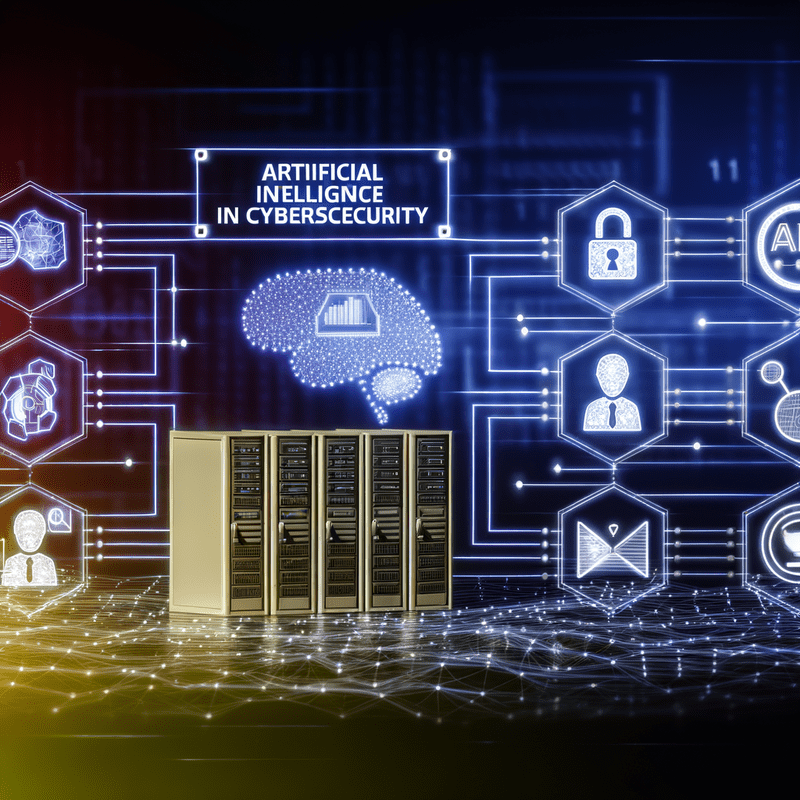
One of the biggest current challenges is the increasing number of cyber threats that organizations face. This is where AI provides a significant advantage: behavioral analytics allow for the detection of irregularities in system usage, which may indicate an intrusion or a potential attack. This, in turn, enhances threat detection and enables automated responses (Automated Response) to incidents before they escalate into data breaches.
Furthermore, the security of data in the cloud is profoundly influenced by AI, which provides robust monitoring and analysis. Advanced Security Information and Event Management (SIEM) and Security Orchestration, Automation, and Response (SOAR) tools integrate with AI capabilities to offer an additional layer of protection. These tools continuously monitor data integrity, ensuring that any attempt at unauthorized access is quickly detected and mitigated.
Anonymous Data and Synthetic Generation: Preserving Privacy and Compliance
With the increasing focus on data privacy and regulatory compliance, such as the General Data Protection Regulation (GDPR) of the EU, companies are leveraging AI to proactively address these concerns. Data must not only be secure but also managed ethically, respecting individual privacy.
Anonymization and synthetic data generation are two methods gaining prominence in the field of AI for data security. Anonymization transforms data in such a way that its original source cannot be identified, while synthetic data created by Generative AI allows organizations to work with datasets that preserve statistical patterns without compromising the privacy of real data. These techniques not only enhance data security but also facilitate compliance with privacy regulations.
Another critical dimension is AI’s ability to manage and secure IoT devices that, by their nature, have multiple vulnerabilities. AI analyzes these devices, ensuring their proper use and preventing potential compromises that could lead to adversarial attacks. With the growing trend towards IoT, this capability becomes essential for maintaining security and privacy in complex networks.
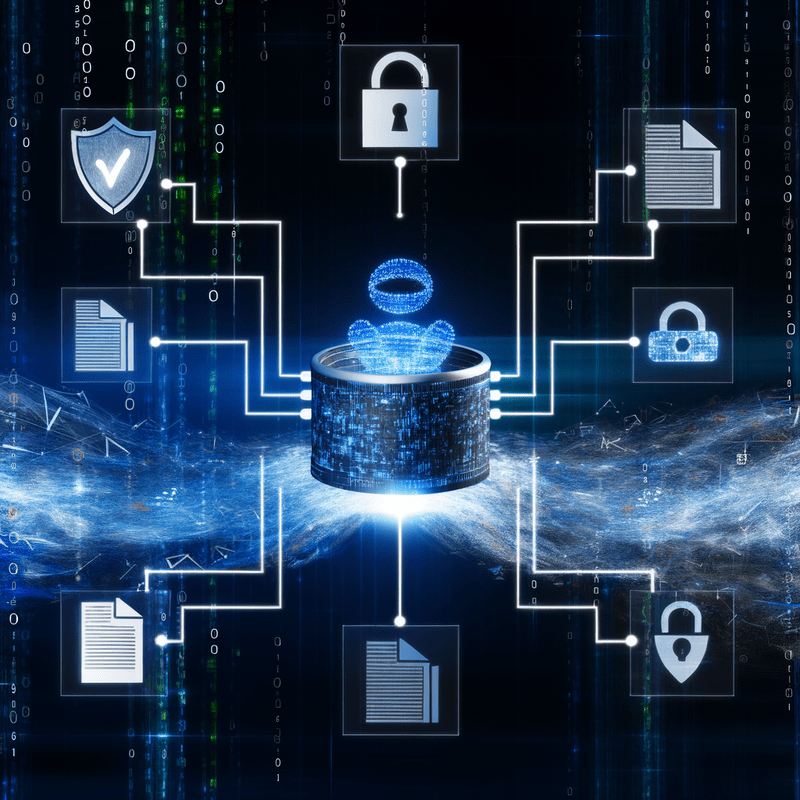
Finally, the use of AI-based encryption provides an additional layer of security by ensuring that data remains unintelligible to any unauthorized parties. AI optimizes encryption processes, enabling the rapid encoding and decoding of large volumes of data without compromising network efficiency. This approach ensures that any potential security breach can be minimized by effectively protecting critical data.
With the advancement of AI capabilities, its integration into cybersecurity and data protection is becoming not just a desirable standard but a necessary one. By addressing complex security threats through emerging technologies, organizations can not only protect their assets but also foster an environment of compliance and trust for their customers.
How This Works in Practice
Implementing AI-driven cybersecurity solutions involves a series of strategic steps that organizations must undertake to ensure effective deployment and optimal protection. The first step is to assess the current cybersecurity infrastructure, identifying existing vulnerabilities and potential entry points for cyber threats. This initial analysis often involves collaboration between IT security teams and external cybersecurity experts who can provide insights into best practices and emerging threats.
Once vulnerabilities are identified, organizations should prioritize their cybersecurity needs based on the criticality of the data and systems involved. This prioritization guides the selection of appropriate AI tools and technologies tailored to the specific environment. Key stakeholders, including compliance officers, data privacy specialists, and IT personnel, must be involved in this phase to ensure alignment with regulatory requirements and internal policies.
The next step is the integration of AI technologies into existing systems. This may involve deploying AI-driven endpoint protection platforms that utilize machine learning algorithms to analyze user behavior and detect anomalies. Organizations should also consider implementing advanced SIEM and SOAR tools to enhance their threat detection capabilities. Training staff on these new systems is crucial to maximize their effectiveness and ensure that personnel can respond swiftly to alerts generated by AI tools.
After the deployment, continuous monitoring and evaluation are essential. AI systems require ongoing training to adapt to new threat vectors, necessitating a feedback loop where the system is regularly updated with new data and threat intelligence. This iterative process often involves collaboration with third-party vendors who can provide updated algorithms and threat data, enhancing the organization’s ability to respond to emerging threats.
Finally, organizations should conduct regular audits and assessments of their AI-driven security measures to ensure they remain effective over time. This includes testing the systems against simulated attacks, reviewing compliance with data protection regulations, and making necessary adjustments based on the evolving cybersecurity landscape.
What to Watch Out For
While AI offers significant advantages in cybersecurity, there are limitations and trade-offs that organizations must consider. One common mistake is over-reliance on AI technologies without adequate human oversight. While AI can identify patterns and anomalies, it may not fully understand the context of a situation, potentially leading to false positives or negatives. Organizations should ensure that human analysts remain integral to the decision-making process, especially in critical situations.
Another limitation is the potential for bias in AI algorithms. If the training data used to develop AI models is not representative of the broader environment, the system may produce skewed results. Organizations should regularly review and refine their training datasets to mitigate this risk and ensure that the AI tools function effectively across diverse scenarios.
Additionally, integrating AI solutions can be resource-intensive, requiring significant investment in technology, training, and ongoing management. Organizations must weigh the costs against the potential benefits, ensuring that they have the necessary infrastructure and expertise to support such systems. For smaller organizations, this may mean considering scaled-down solutions or partnering with service providers who can offer AI capabilities without the need for extensive in-house resources.
Lastly, as AI technologies evolve, so too do the tactics employed by cybercriminals. Organizations must stay vigilant and continuously update their strategies to defend against sophisticated attacks that may exploit vulnerabilities in AI systems themselves. Regularly assessing the threat landscape and adapting cybersecurity measures accordingly is critical to maintaining robust defenses.
Frequently Asked Questions
Q: How can AI improve our existing cybersecurity protocols?
A: AI can enhance existing protocols by providing advanced threat detection capabilities, analyzing large volumes of data for anomalies, and automating responses to incidents, thereby reducing the response time and potential damage from cyber threats.
Q: Are there specific industries that benefit more from AI in cybersecurity?
A: While all industries can benefit from AI in cybersecurity, sectors such as finance, healthcare, and critical infrastructure often face more stringent regulatory requirements and higher risks, making AI integration particularly valuable for enhancing their security posture.
Q: What are the costs associated with implementing AI-driven cybersecurity solutions?
A: Costs can vary widely based on the size of the organization, the complexity of the systems being protected, and the specific AI technologies chosen. Organizations should budget for initial deployment, ongoing maintenance, and necessary training for staff.
Q: How do we ensure that AI systems remain compliant with data protection regulations?
A: Ensuring compliance involves regularly reviewing the AI systems against applicable regulations, implementing robust data anonymization techniques, and incorporating privacy considerations into the design and operation of AI technologies. Regular audits and updates are essential to maintain compliance as regulations evolve.
Want to know where you are exposed? We run a free security assessment — you get a written report on your exposure whether or not you work with us afterwards.