
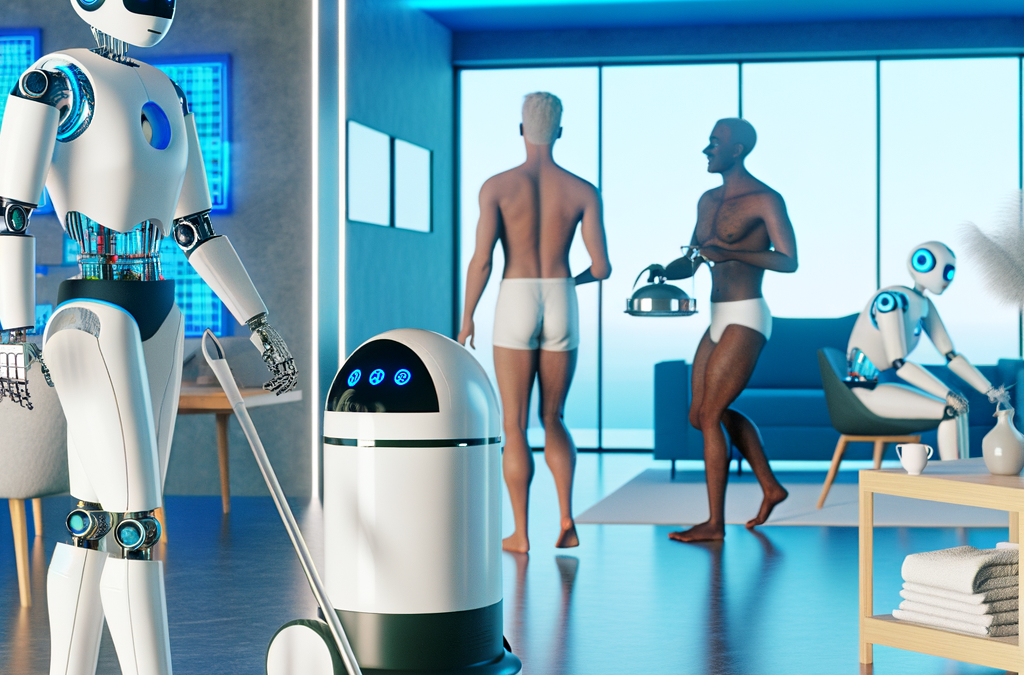
The integration of artificial intelligence into our daily lives has significantly transformed the way we perform household tasks. Domestic robots, equipped with advanced technology and designed to enhance efficiency and quality of life, are among the most disruptive innovations of our time. This article explores how these technological solutions are shaping a more flexible and connected future.
Domestic Robots and Innovations in the Home
The arrival of domestic robots has marked a milestone in home management, where tedious and repetitive tasks are increasingly being automated. Utilizing artificial intelligence, these devices are capable of performing a variety of activities such as vacuuming, mowing the lawn, cleaning pools, and even cooking. The robotization of the home not only enhances efficiency but also provides an opportunity to improve the quality of life for its users. Imagine robots that cook healthy meals or assist in maintaining our spaces, allowing us to dedicate time to more rewarding or personal tasks.
Moreover, the customization capabilities of these devices provide significant added value. The compatibility with other smart devices facilitates their integration into a digital ecosystem that interconnects to deliver a holistic experience. For instance, through voice commands, we can coordinate tasks with the home virtual assistant, ensuring they are carried out according to our personal preferences or daily needs. The flexibility and adaptability of domestic robots allow contemporary families to live in an environment that adjusts to their changing routines.
Impact on Work Life and Education
With the rise of remote work, commonly known as home office, the presence of domestic robots provides significant relief, allowing individuals to focus on their work productivity while household tasks are efficiently managed simultaneously. This assistance considerably reduces the stress associated with time management, promoting a holistic well-being in both professional and personal life. In homes where parents work from home, robots that care for pets or facilitate healthy eating are a blessing, ensuring that all family members, including the furry ones, receive the attention they deserve.

In the field of education and learning, robots are playing a crucial role. Equipped with artificial intelligence capabilities, these devices are not only assisting with basic tasks but also promoting personalized learning. Educational robots can provide support in studying complex subjects or prepare students with specialized training in emerging technologies and future developments, becoming a transformative force in education.

Sustainability is also essential in these times, and home robots designed to optimize energy consumption and minimize waste are in line with this ecological trend. By being programmed to perform their functions at specific times or under parameters that maximize efficiency, these devices contribute to a more eco-friendly home.
Home robots go far beyond being mere electronic assistants; they are set to transform our lives in ways we have yet to imagine. Designed to address specific needs, ranging from security to entertainment, their integration into our lives will become increasingly profound, making them key players in our daily routines.
The revolution of domestic robots not only promises efficiency but also advocates for a fuller and more connected life. The personalization, sustainability, and convenience offered by these advancements allow us to envision a future home capable of freeing up time for what truly matters.
How This Works in Practice
Implementing domestic robots in the home involves a systematic approach that begins with assessing the household’s specific needs. The first step is to identify the tasks that consume the most time or require significant effort, such as cleaning, cooking, or maintaining the garden. Once these tasks are prioritized, the next step is to research available domestic robots that are designed to handle these specific activities.
After selecting the appropriate devices, it’s essential to ensure that the home is equipped with the necessary infrastructure. This includes a reliable Wi-Fi network to support connectivity and communication between devices. Additionally, the home may need to be organized to accommodate the robots’ operational needs, such as creating clear pathways for vacuuming robots or ensuring access to power outlets for cooking robots.
Training and programming the robots is a critical phase. Users should familiarize themselves with the robot’s features and capabilities, often through user manuals or online tutorials. This may involve setting schedules for tasks, programming preferences for cleaning modes, or integrating the robots with a home assistant for voice commands. The involvement of all family members can help ensure that everyone understands how to operate the devices and can contribute to their effective use.
Finally, regular maintenance of the robots is essential to ensure longevity and optimal performance. This includes cleaning sensors, emptying dust bins, and updating software as needed. Establishing a routine for these tasks will help maintain the efficiency of the robots and enhance the overall experience of smart home living.
What to Watch Out For
While domestic robots offer numerous benefits, there are limitations and trade-offs to consider. One common mistake is underestimating the initial setup time and effort required. Users may expect the robots to function perfectly out of the box, but often, they require calibration and adjustments to work effectively in specific environments.
Another potential pitfall is over-reliance on technology. While robots can handle a variety of tasks, they cannot replace human judgment or attention to detail. For example, a cooking robot may not adapt to unexpected changes in ingredients or dietary restrictions without proper programming. Users should remain engaged in household management rather than completely delegating responsibilities to the robots.
Compatibility issues may arise if the domestic robots do not align with existing smart home systems. Users should ensure that the devices they choose are compatible with their current technology ecosystem to avoid integration challenges.
Lastly, the financial aspect should not be overlooked. Domestic robots can represent a significant investment, and it is crucial to evaluate whether the long-term benefits justify the costs. Users should consider the potential savings in time and effort against the initial purchase and maintenance expenses.
Frequently Asked Questions
Q: How do I choose the right domestic robot for my home?
A: Start by assessing the specific tasks you want to automate, such as vacuuming or cooking. Research the features of various models, read reviews, and consider compatibility with existing smart home devices before making a decision.
Q: Will domestic robots require constant supervision?
A: While many robots are designed to operate autonomously, initial supervision may be necessary to ensure they are set up correctly and to monitor their performance. Over time, users can typically expect to check in less frequently.
Q: Can domestic robots handle complex tasks like meal preparation?
A: Some advanced cooking robots can manage meal preparation, but their effectiveness depends on the complexity of the recipe and the ingredients. Users may need to provide guidance or adjust settings for optimal results.
Q: What maintenance do domestic robots require?
A: Regular maintenance includes cleaning sensors, emptying dust bins, and updating software. Following the manufacturer’s guidelines will help ensure the robots function efficiently and last longer.