
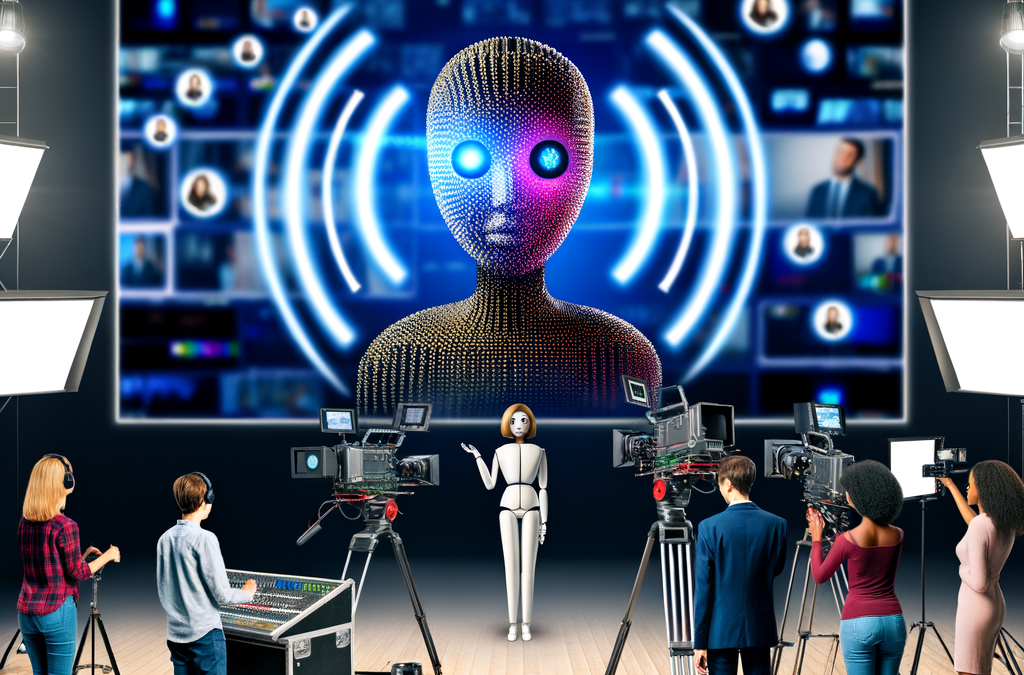
The artificial intelligence (AI) is significantly transforming the film industry. From production to distribution and consumption, AI is redefining how films are created and experienced. This article explores the impact of AI on cinema and examines how universities are preparing future professionals for this technological evolution.
Impact of Artificial Intelligence on Film Production and Distribution
Artificial intelligence is revolutionizing film production. Digital effects have advanced tremendously, largely due to the development of AI technologies and creative computing. Computer-generated imagery (CGI) is increasingly approaching photorealism, allowing filmmakers to create visual worlds that were once unimaginable. One of the most notable examples is the use of AI to recreate younger versions of actors or even bring back those who are no longer with us, while maintaining the narrative authenticity.
Another key aspect of the impact of AI is its ability to enhance machine learning in video editing. Algorithms can analyze vast amounts of visual data in record time, streamlining the editing process and allowing for more room for artistic intervention. Additionally, the pre-production process benefits from AI tools that can predict which scripts will perform best at the box office, or which actors have the ideal chemistry for a particular project.

In terms of distribution, digital platforms are changing the paradigm thanks to AI technology, personalizing suggestions and enhancing the user experience. The algorithms of platforms like Netflix and Amazon Prime analyze consumption patterns to provide content tailored to individual user preferences. This not only improves viewing but also optimizes the marketing and promotion of films. Additionally, AI allows for real-time evaluation of movie release performance, effectively adjusting marketing strategies.
Education and Disciplinary Openness in the Age of AI
With the rapid advancement of AI technology in the film industry, universities are responding with programs designed to prepare students for this new reality. There are master’s and doctoral degrees specializing in creative computing, visual effects, and film theories that incorporate AI as a fundamental part of the curriculum. Additionally, new specialties are emerging that combine art and science, fostering an unprecedented disciplinary openness.

These academic programs focus on developing skills in AI technology, but also on understanding and critical analysis, ensuring that students not only know how to operate the tools but can also comprehend their impact on society and cinematic storytelling. Research in artificial intelligence applied to film is a growing field that seeks new ways of artistic integration, promoting the creation of moving images that explore the boundaries of human creativity.
Furthermore, universities are collaborating with the industry to provide practical experiences, ensuring that students can apply their knowledge to real-world projects. This connection between academia and industry is crucial for training the next generation of filmmakers and technicians who will master AI tools to innovate in every aspect of cinema, from production to consumption.
The impact of artificial intelligence on the film industry is profound, transforming both production and distribution. Universities are playing a crucial role in preparing future professionals. By addressing these changes with specialized academic programs, education ensures a smooth transition to a new paradigm of creativity and technology in cinema.
How This Works in Practice
Implementing AI in the film industry involves a systematic approach that begins well before the cameras start rolling. The first step is establishing a clear understanding among all stakeholders about the role AI will play in the production process. This includes scriptwriters, directors, producers, and technical teams. Collaboration is key; everyone must be on board with how AI technologies can enhance their work.
Next, the necessary infrastructure must be put in place. This includes investing in AI tools and software that can handle tasks such as script analysis, casting suggestions, and visual effects creation. For example, studios may need to partner with tech companies that specialize in machine learning algorithms to develop customized solutions tailored to their production needs.
Once the technology is in place, a pilot project is often initiated. This project allows the team to experiment with AI tools in a controlled environment, assessing their functionality and effectiveness. Feedback is gathered from all involved to refine the process further. This step is crucial, as it helps identify any potential challenges that may arise when using AI in a more extensive production.
Following successful pilot testing, the full-scale production can begin. AI tools can assist in various stages, such as generating storyboards, pre-visualization, and even during post-production through editing and visual effects. Throughout this process, constant communication among team members is essential to ensure that AI complements human creativity rather than hindering it.
Finally, after the film is produced, AI continues to play a role in marketing and distribution. Data analytics can inform targeted advertising strategies, ensuring that the film reaches its intended audience effectively. Continuous monitoring of viewer feedback and performance metrics allows for adjustments in future projects, creating a cycle of constant improvement.
What to Watch Out For
While the integration of AI into the film industry presents numerous advantages, there are also limitations and potential pitfalls. One significant concern is the over-reliance on AI, which can lead to a homogenization of content. If filmmakers depend too heavily on algorithms for creative decisions, the uniqueness of storytelling can be compromised, resulting in formulaic films that lack originality.
Another issue is the ethical implications of using AI, particularly in areas such as deepfake technology. The ability to recreate actors or manipulate performances raises questions about consent and the authenticity of representation. Filmmakers must navigate these ethical waters carefully to avoid backlash from audiences and industry peers.
Common mistakes include inadequate training for staff on how to effectively use AI tools, leading to suboptimal results. It is essential that all team members understand the capabilities and limitations of the technology they are using. Additionally, failing to involve a diverse group of voices in the AI training data can perpetuate biases, leading to unintended consequences in casting and storytelling.
Lastly, while AI can enhance efficiency, it cannot replace the emotional intelligence and nuanced understanding of human experiences that come from real-life storytelling. Filmmakers should be cautious not to overlook the human element in their narratives, as the audience connects with stories on a personal level.
Frequently Asked Questions
Q: How can AI improve the scriptwriting process?
A: AI can analyze existing scripts and identify patterns in successful storytelling elements, helping writers refine their narratives. It can also suggest plot developments or character arcs based on data-driven insights.
Q: What are the risks of using AI in casting decisions?
A: AI may inadvertently reinforce existing biases if the training data is not diverse. This can lead to casting choices that lack representation or fail to reflect the complexity of human experiences.
Q: How does AI affect the editing process?
A: AI tools can automate routine editing tasks, such as organizing footage and suggesting cuts, allowing editors to focus on more creative aspects of the film. This can significantly speed up the post-production timeline.
Q: Are there any industry standards for using AI in filmmaking?
A: Currently, there are no universal standards for AI use in filmmaking. However, industry organizations and ethical guidelines are emerging to address best practices and ensure responsible use of AI technologies.