
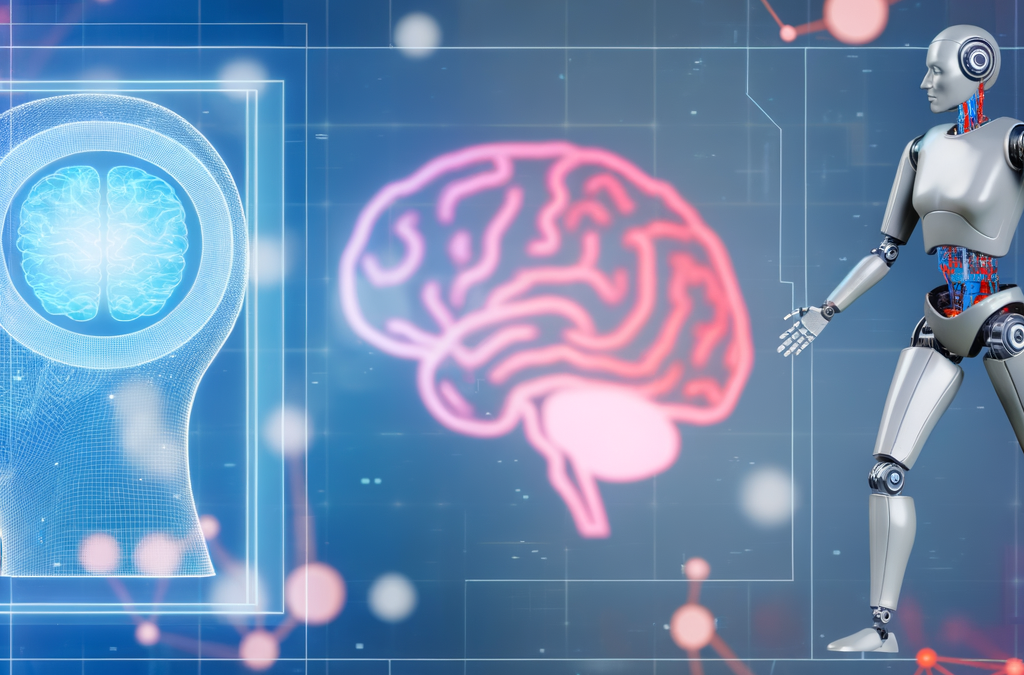
Exploring the impact of artificial intelligence in neurology and psychiatry is revolutionizing the way we approach mental and brain health. This technology provides new tools for disease prevention, improving treatments, and promoting healthy aging. It is essential to understand how emerging technologies such as machine learning intersect with integrated health practices, fostering both mental and physical well-being.
Artificial Intelligence and Its Impact on the Diagnosis and Treatment of Neurological Diseases
Artificial intelligence (AI) is revolutionizing the way doctors approach the diagnosis and treatment of neurological and psychiatric disorders. Thanks to machine learning, AI systems can quickly and accurately analyze vast amounts of medical data, helping professionals identify patterns that might go unnoticed in manual evaluations. This capability not only accelerates diagnosis but also enables the early detection of conditions such as Alzheimer’s and depression, facilitating early interventions that can significantly improve patient outcomes.

The applications of AI in psychiatry and neurology extend beyond diagnosis. Advanced algorithms provide critical insights that help personalize treatment plans, optimizing therapies based on individual patient responses. This approach to personalized psychiatry allows for the adjustment of medication treatments and behavioral therapies, reducing side effects and increasing the effectiveness of interventions. In the near future, AI could play an even more integral role, integrating data from neurotechnology to create even more precise care programs.
Promoting Brain Health and Emotional Well-Being Through Prevention and Lifestyle
A comprehensive approach to mental health goes beyond technological advancements. Prevention plays a crucial role in maintaining a healthy brain and promoting mental sharpness. Nutrition, particularly through a Mediterranean diet rich in fruits, vegetables, fish, and healthy fats, has shown significant benefits for brain health, while regular exercise not only enhances memory and concentration but also helps manage stress and alleviate symptoms of anxiety and depression.
Additionally, adequate sleep is essential for the daily recovery of the brain, facilitating memory consolidation and the strengthening of cognitive skills. In contrast, harmful substances such as tobacco and alcohol, along with pollution and microplastics, can have a negative impact on mental and neurological health. Furthermore, prolonged use of screens can affect concentration and comprehension reading, highlighting the need for strategies such as digital breaks and promoting a healthy environment for technology use.
The symbiosis of artificial intelligence with a healthy lifestyle opens unprecedented possibilities for enhancing mental and neurological health. The key lies in combining advanced technology with healthy living practices, promoting overall well-being supported by both science and informed personal choices.
How This Works in Practice
Implementing AI in mental and brain health begins with a clear understanding of existing healthcare frameworks and the specific needs of practitioners and patients. The initial step involves integrating AI technologies with existing health information systems, ensuring that necessary infrastructure, such as electronic health records (EHRs), is in place. This integration allows for seamless data exchange and supports the AI algorithms in analyzing patient information.
Next, healthcare professionals must be trained to utilize AI tools effectively. This training may include workshops and hands-on sessions focused on interpreting AI-generated insights and understanding how to incorporate them into clinical decision-making. Collaboration among neurologists, psychiatrists, data scientists, and IT specialists is crucial at this stage to ensure that everyone is aligned on the goals and capabilities of the technology.
Once the systems are integrated and personnel are trained, the practical application can begin. For instance, AI can be employed to analyze patient data for early indicators of neurological disorders. This process typically involves collecting comprehensive datasets, including patient medical history, genetic information, and lifestyle factors, and then using machine learning algorithms to identify patterns that might suggest a higher risk of conditions like Alzheimer’s or depression.
As AI tools provide insights, healthcare providers can develop personalized treatment plans. This phase may involve continuous monitoring of patient responses to treatment, with the AI adjusting recommendations in real time based on new data. Regular feedback loops, where healthcare providers evaluate the efficacy of AI-assisted treatments, help refine the algorithms and improve their accuracy over time.
What to Watch Out For
While the integration of AI in mental and brain health holds great promise, there are several limitations and trade-offs to consider. One significant concern is the reliance on data quality. AI systems require large datasets to function effectively, and if these datasets are biased or incomplete, the algorithms may produce skewed results, leading to misdiagnosis or inappropriate treatments.
Another important consideration is the potential for over-reliance on technology. While AI can enhance diagnostic accuracy and treatment personalization, it should not replace the human touch in patient care. Clinicians must remain actively involved in the decision-making process, ensuring that patient preferences and unique circumstances are taken into account.
Common mistakes include failing to update the AI systems regularly or neglecting to incorporate feedback from clinical experiences. AI tools must be continuously trained with new data to adapt to evolving medical knowledge and changing patient demographics. Additionally, there can be a tendency to implement AI solutions without fully understanding the underlying algorithms, leading to misinterpretation of results and ineffective clinical application.
Situations where AI might not be the best choice include cases involving patients with complex comorbidities or those who require nuanced emotional support. In such instances, traditional therapeutic approaches may be more effective than algorithm-driven interventions.
Frequently Asked Questions
Q: How can AI help in early diagnosis of mental health conditions?
A: AI can analyze large volumes of patient data to identify patterns and risk factors associated with mental health conditions, enabling earlier diagnosis and intervention.
Q: What role do healthcare providers play in AI-assisted treatments?
A: Healthcare providers are essential in interpreting AI-generated insights, making clinical decisions, and ensuring that patient care remains personalized and empathetic.
Q: Are there ethical concerns related to using AI in mental health?
A: Yes, ethical concerns include data privacy, the potential for bias in algorithms, and the need to ensure that technology complements rather than replaces human interaction in care.
Q: How can patients ensure they are receiving the benefits of AI in their treatment?
A: Patients should engage in open discussions with their healthcare providers about the use of AI in their treatment plans and inquire about how AI insights are integrated into their care.