
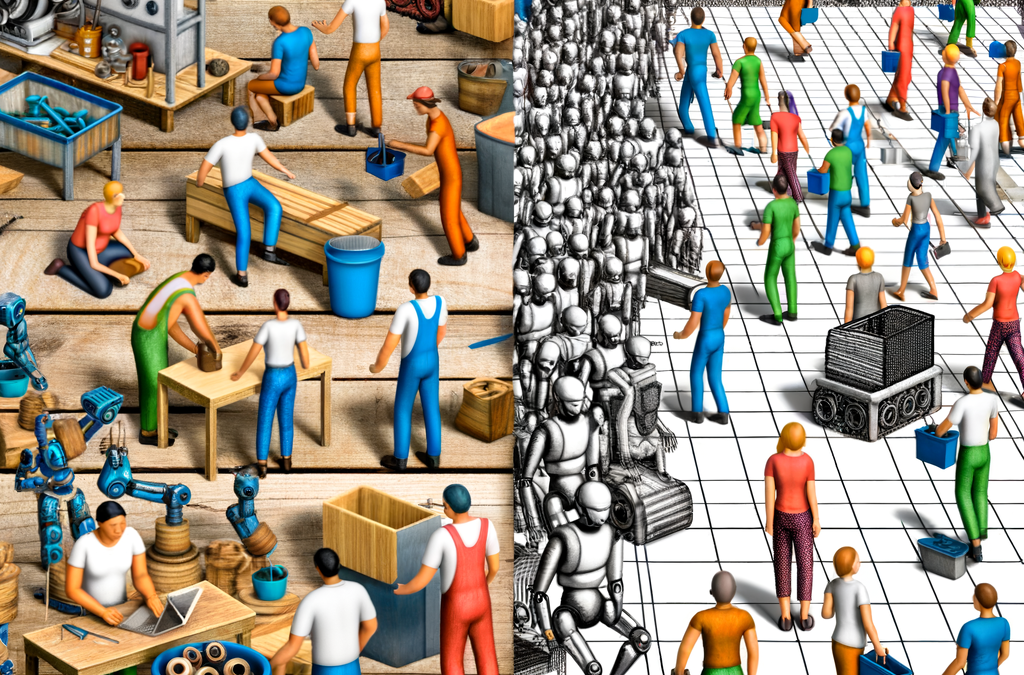
Artificial intelligence (AI) has become deeply integrated into the structure of the modern labor market, transforming the way we conceive work and challenging our traditional notions of jobs and efficiency. This article will explore the impact of AI on the workforce, focusing on automation, the growing need for new skills, and emerging job opportunities.
Labor Market Transformation: Automation as a Driving Force for Change
The evolution of artificial intelligence and its associated tools has revolutionized numerous industries, driving a significant transformation in the labor market. This phenomenon is particularly evident through automation, which replaces manual and routine processes with automated systems, thereby enhancing productivity and efficiency. In sectors such as manufacturing, assembly lines have been virtually replaced by intelligent robots that not only reduce operational costs but also minimize human errors, ensuring higher quality products.
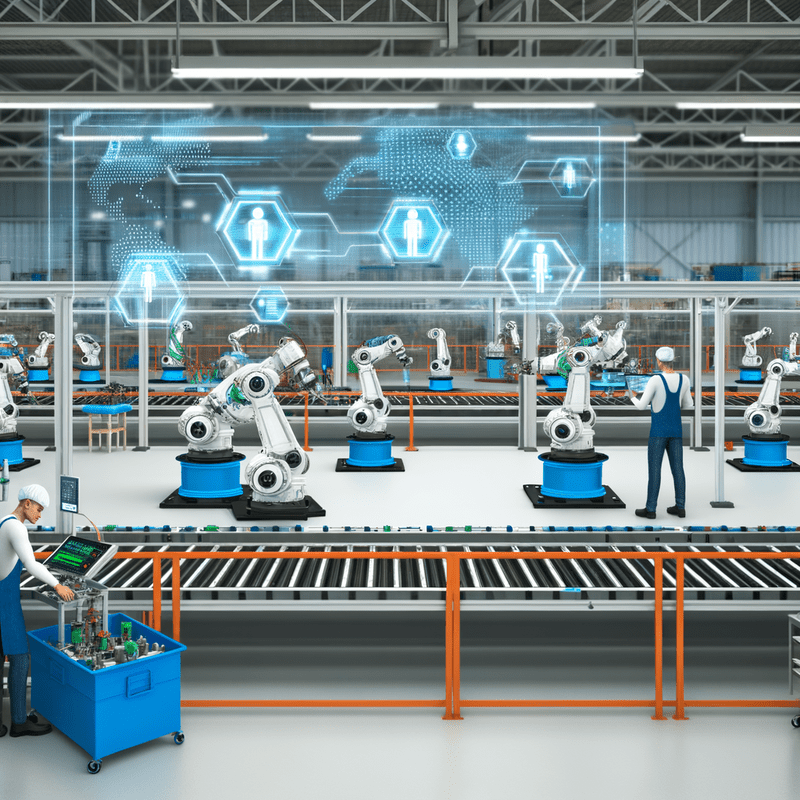
However, the rapid adoption of automation has raised concerns about job displacement. As repetitive tasks are performed by machines, certain jobs are predicted to become obsolete. This is where artificial intelligence, much like in previous industrial revolutions, acts as a catalyst for innovation, pushing companies and workers to adapt to the new work environment. The adoption of AI-based technologies has also led to a shift in job descriptions, where human tasks now focus more on strategic decision-making and creativity.
Ampliando la Fuerza Laboral: Nuevas Habilidades y Oportunidades
As artificial intelligence reshapes the workforce, the demand for new skills has increased significantly. Machine learning and data analysis are now essential requirements for many roles, and workers must be trained to leverage these technologies. This shift has created a wave of job opportunities in emerging fields such as data science, robotics, and cybersecurity.
The training of the workforce has become a critical element in keeping pace with technological advancements. Companies are investing in training and development programs to ensure that their employees are equipped with the necessary skills to succeed in a constantly evolving work environment. This transformation involves not only acquiring technical skills but also developing soft skills such as critical thinking, effective communication, and adaptability.
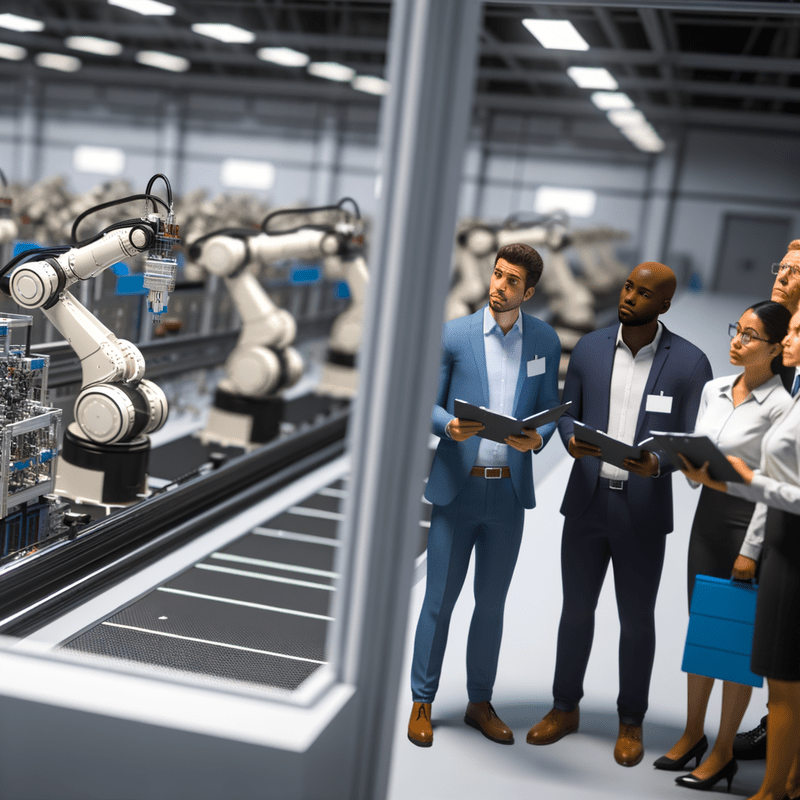
The implementation of AI also paves the way for enhancing the quality of life of workers. With the automation of monotonous tasks, individuals can focus on more personally and professionally fulfilling work, fostering both individual and collective progress within the company. Furthermore, the work flexibility promoted by technology allows employees to achieve a better balance between work and personal life.
In conclusion, artificial intelligence is shaping a new job market where technology and human capabilities coexist and complement each other. While automation presents challenges such as job displacement, it also opens up a range of opportunities in terms of employment, productivity, and quality of life, thereby reinforcing economic progress and ongoing innovation.
How This Works in Practice
Implementing AI and automation within the labor market involves a structured approach that requires careful planning and execution. The following steps outline the practical application:
- Assessment of Needs: Organizations must first evaluate their operational processes to identify areas where automation can enhance efficiency. This involves analyzing workflows, pinpointing repetitive tasks, and determining the potential for AI integration.
- Technology Selection: Once needs are assessed, companies should choose appropriate AI tools and automation technologies that align with their objectives. This could range from software for data analysis to robotic process automation (RPA) solutions for routine tasks.
- Infrastructure Preparation: Before deploying new technologies, organizations need to ensure that their IT infrastructure can support AI systems. This may include upgrading hardware, ensuring data security measures are in place, and establishing necessary software environments.
- Employee Training and Involvement: Training programs should be developed to equip employees with the skills required to work alongside AI systems. Engaging employees in the process fosters acceptance and helps them adapt to new roles that arise from automation.
- Implementation and Monitoring: After training, the actual roll-out of AI solutions begins. Companies should monitor performance closely, gathering data on productivity and employee feedback to make necessary adjustments.
- Continuous Improvement: The introduction of AI is not a one-time event. Organizations should establish a framework for continuous improvement, regularly revisiting processes, technologies, and training programs to adapt to ongoing changes in the labor market.
Throughout this process, collaboration is essential. Cross-functional teams, including IT, human resources, and operational leaders, should work together to ensure that AI and automation initiatives align with overall business goals and address employee concerns.
What to Watch Out For
While the integration of AI and automation offers substantial benefits, several limitations and trade-offs must be considered:
- Job Displacement Risks: One of the most pressing concerns is the potential for job loss, particularly for roles involving repetitive or manual tasks. Organizations must proactively manage workforce transitions to mitigate negative impacts on employees.
- Over-Reliance on Technology: Companies may become overly dependent on automated systems, which can lead to vulnerabilities. If a system fails or produces errors, it could disrupt operations significantly. A balanced approach that combines human oversight with automation is crucial.
- Skill Gaps: Not all employees may possess the necessary skills to thrive in an AI-driven environment. Organizations should be aware of the potential skill gaps that could arise and invest in comprehensive training programs to bridge these gaps.
- Implementation Costs: Initial investments in AI technologies can be substantial. Companies must weigh the costs against the anticipated benefits and ensure they have a clear strategy for ROI.
- Change Management Challenges: Resistance to change can be a significant barrier. Employees may fear job loss or struggle with adapting to new technologies. Effective communication and support systems are essential to facilitate a smooth transition.
- Ethical Considerations: The use of AI raises ethical questions, especially regarding data privacy and decision-making biases. Organizations must establish ethical guidelines to govern AI use and ensure compliance with regulations.
Frequently Asked Questions
Q: How can companies identify which tasks to automate?
A: Companies can conduct a workflow analysis to identify repetitive, time-consuming tasks that do not require human judgment. Engaging employees in this process can also provide insights into potential areas for automation.
Q: What role does employee training play in the success of AI integration?
A: Employee training is vital as it equips the workforce with the skills necessary to adapt to new technologies and take on more strategic roles, ensuring that they remain valuable contributors in an AI-enhanced environment.
Q: How can organizations mitigate the risks of job displacement due to automation?
A: Organizations can mitigate risks by implementing reskilling and upskilling programs, providing support for affected employees, and creating new job opportunities that leverage human skills in conjunction with AI capabilities.
Q: What are some common mistakes companies make when adopting AI and automation?
A: Common mistakes include neglecting to involve employees in the transition process, failing to assess the long-term implications of automation, and underestimating the importance of ongoing training and support.