
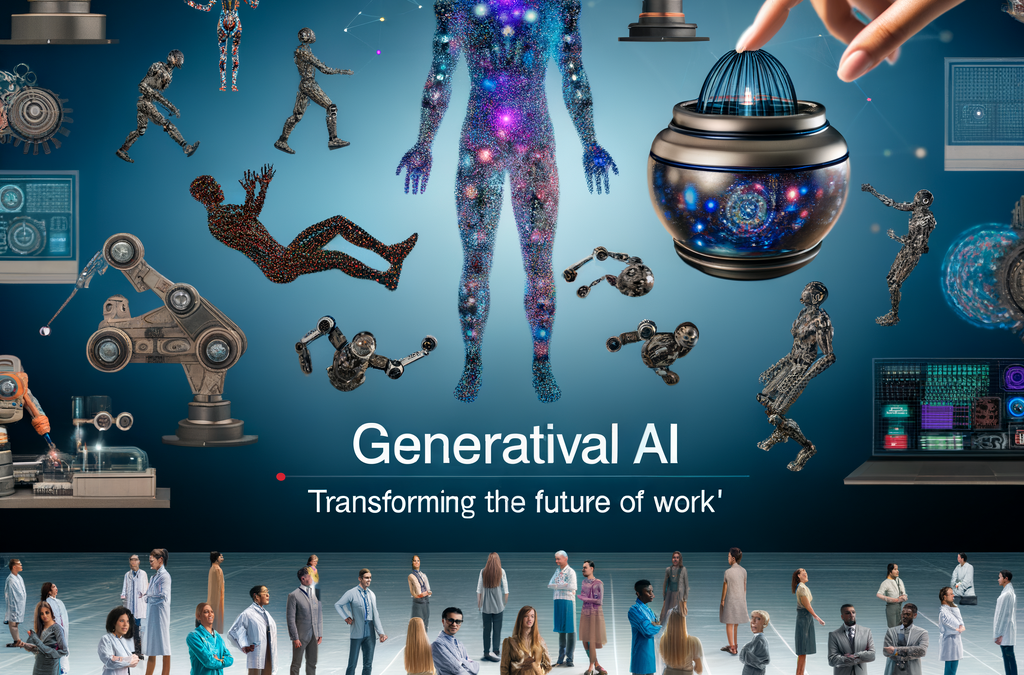
In today’s digital era, generative artificial intelligence is becoming an essential engine for the future of work, transforming industries and reimagining how businesses operate. With the rise of machine learning and advanced language models like ChatGPT, it is crucial to explore their impact on creativity, human talent, and collaboration within organizations.
The Future of Work Driven by Artificial Intelligence
The automation and artificial intelligence are rapidly reshaping the future of work. As advanced technologies such as large language models and generative AI solutions continue to evolve, new ways of working and creating are emerging. The adoption of generative AI is enabling companies to produce content more quickly and efficiently, enhancing economic value and allowing business leaders to focus on more meaningful strategic decisions.
However, the change is not merely technical. It crucially involves the effective integration of AI into organizational culture and the redefinition of workforce strategies. This is where adaptability and the emphasis on human skills centered around creativity and intuition, such as human insight, play a vital role. Roles in STEM, for example, need to transform to integrate AI capabilities without losing the human focus.

Creativity and Collaboration in the Age of AI
The collaboration between human talent and AI is essential for unlocking unprecedented creative potential. By introducing AI agents into business environments, organizations enable human teams to benefit from increased autonomy and continuous support in content creation, from design to complex data analysis.
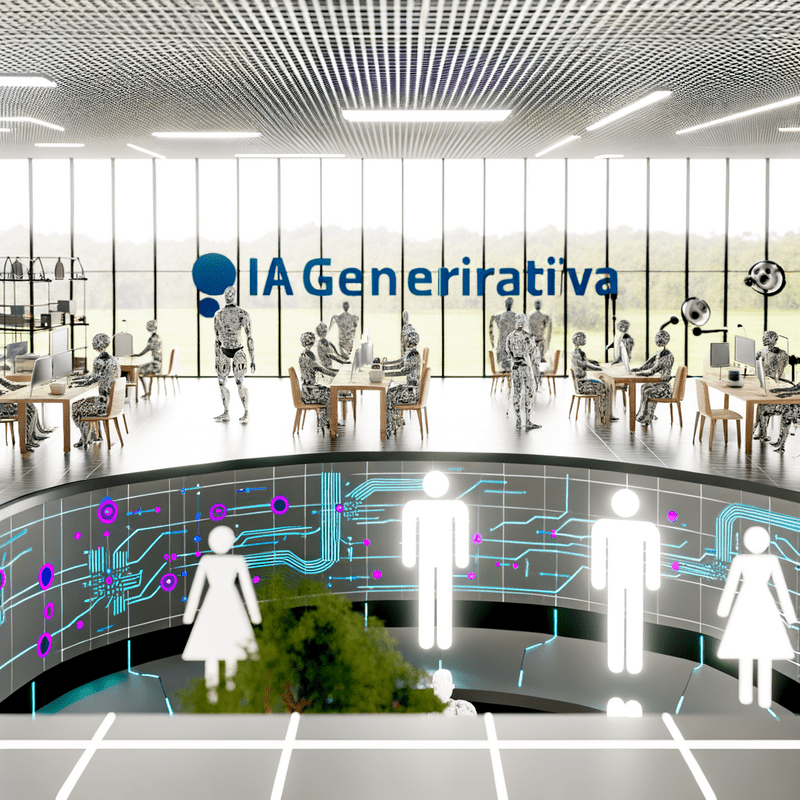
Even more importantly, the involvement of business leaders and their leadership commitment is crucial to ensuring that the use of artificial intelligence is ethical and transparent. Companies are, and must be, establishing clear ethical guidelines and providing training to equip their staff with the new skill sets required. Fostering an organizational culture that values innovation and mutual support paves the way for sustained innovation.
Through the integration of AI, companies not only optimize processes but also enhance their ability to experiment and leverage their human expertise and skills to deliver innovative solutions. Creativity is no longer just a human trait, but a partnership between humans and machines.
Empowering individuals through the integration of artificial intelligence in businesses can enhance both employee experience and business outcomes. By harnessing the transformative power of AI and fostering a culture of transparency and collaboration, organizations will be well-positioned to move towards a dynamic and enriching future for all.
How This Works in Practice
Implementing generative AI in the workplace involves a structured approach that begins with understanding the specific needs of the organization. Here are the essential steps to effectively integrate AI into business processes:
- Assessment of Needs: Identify the areas within the organization where generative AI can add value. This may include content creation, data analysis, customer service, or product design.
- Stakeholder Involvement: Engage with key stakeholders, including leadership, IT, and end-users, to gather insights and build a shared vision of how AI will be utilized. Their buy-in is critical for successful implementation.
- Infrastructure Setup: Ensure that the necessary technological infrastructure is in place, including robust hardware, software, and network capabilities. This may involve upgrading existing systems or adopting new AI platforms.
- Data Management: Establish a data governance framework to ensure the quality, security, and ethical use of data. Generative AI relies heavily on data, so having clean and relevant data is paramount.
- Training and Development: Provide training for employees to familiarize them with AI tools and capabilities. This helps in bridging the gap between human skills and AI technologies.
- Pilot Programs: Start with pilot projects to test the AI applications in controlled environments. This allows for the identification of potential challenges and the refinement of processes before a full-scale rollout.
- Feedback Loops: Implement mechanisms for continuous feedback from users to assess the effectiveness of AI tools and make necessary adjustments. This iterative approach helps in fine-tuning the integration over time.
- Scaling and Optimization: Once pilot programs prove successful, scale the use of generative AI across the organization, continually optimizing processes based on user feedback and changing needs.
What to Watch Out For
While the integration of generative AI offers numerous benefits, there are several limitations and challenges that organizations should be aware of:
- Overreliance on AI: Organizations may become overly dependent on AI tools, which can lead to a decline in critical thinking and creative problem-solving skills among employees. It is essential to maintain a balance between AI assistance and human input.
- Data Privacy and Security: The use of AI often involves processing sensitive data, which raises concerns about privacy and security. Organizations must ensure compliance with data protection regulations and implement robust security measures.
- Resistance to Change: Employees may resist adopting new technologies due to fear of job displacement or unfamiliarity. Effective change management strategies, including clear communication and involvement in the process, are essential to mitigate this resistance.
- Ethical Considerations: The ethical implications of AI use, including biases in algorithms and decision-making processes, must be carefully considered. Organizations need to establish ethical guidelines and frameworks to address these issues proactively.
- Maintenance and Updates: AI systems require regular maintenance and updates to remain effective. Organizations should allocate resources for ongoing support and ensure that the AI models are kept current with new data and technological advances.
Frequently Asked Questions
Q: How can we ensure that our employees are comfortable using generative AI tools?
A: Providing comprehensive training programs, fostering a culture of continuous learning, and encouraging open discussions about AI technology can help employees feel more comfortable and confident in using generative AI tools.
Q: What are the key indicators that generative AI is improving our business processes?
A: Key indicators include increased efficiency in task completion, enhanced creativity in outputs, improved employee satisfaction, and positive feedback from customers regarding the quality of products or services.
Q: How do we address potential biases in AI-generated content?
A: Regularly auditing AI algorithms, ensuring diverse training data, and involving diverse teams in the development and evaluation processes can help minimize biases in AI-generated content.
Q: What role does leadership play in the successful integration of generative AI?
A: Leadership is crucial in setting a vision, allocating resources, fostering an innovative culture, and ensuring that ethical considerations are prioritized throughout the integration process.