
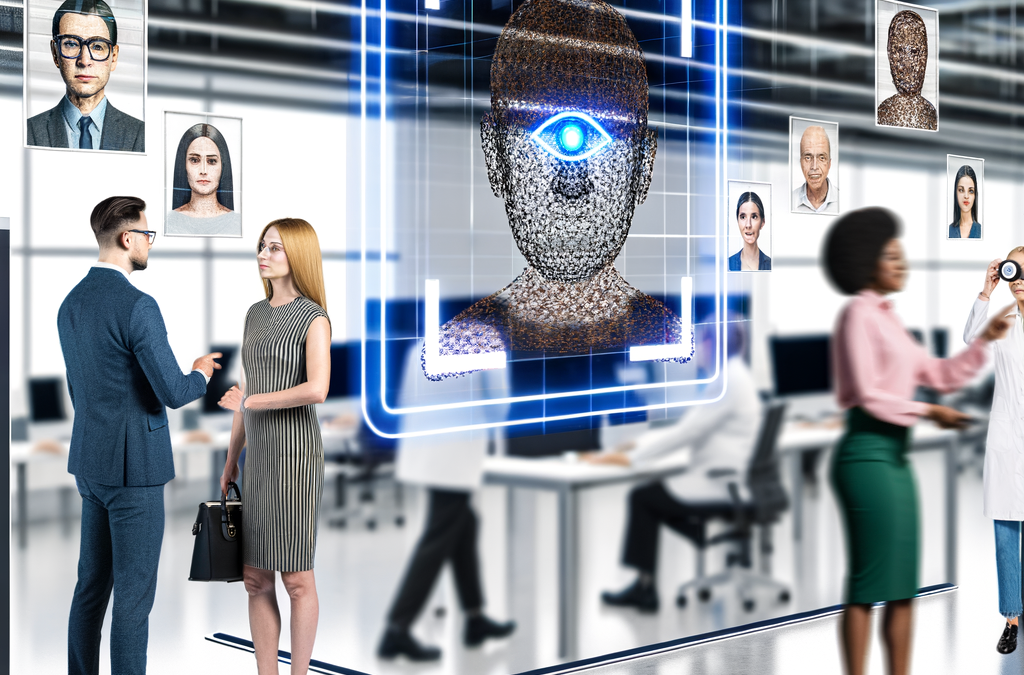
Artificial intelligence (AI) is radically transforming the way businesses and organizations operate, optimizing processes and increasing efficiency. This article explores how AI technologies, particularly in the field of machine learning, are revolutionizing anomaly detection and performance enhancement across various sectors, such as cybersecurity, healthcare, and manufacturing.
The Detection of Anomalies in Networks and Its Impact on Security
In today’s complex digital landscape, maintaining **network security** is crucial for any business. AI-based anomaly detection has become an essential tool in this regard. Through machine learning, systems can identify unusual behavior patterns that may indicate security threats or the onset of a cyberattack. This capability is especially vital for **protecting against fraud** and ensuring the integrity of business data.
Advanced AI algorithms enable real-time analysis and a proactive response to detected threats, thereby strengthening the **operational resilience** of networks. The adaptive network architecture supports constant connectivity and ensures a **reliable user experience**, even under potential threat conditions. With the growing cloud-based network infrastructure, scalability and adaptability become imperative to maintain a secure environment.
Optimization and Automation in Manufacturing and Healthcare
The **manufacturing industry** and the **health sector** are also reaping the benefits of AI in anomaly detection and process optimization. In manufacturing, AI-driven automatic monitoring is used to detect **potential failures** in production lines, preventing costly downtime and ensuring operational continuity. This approach not only improves efficiency but also maximizes the quality of the final product.

In the field of healthcare, AI systems analyze large volumes of clinical data to identify patterns that may indicate emerging health issues. This predictive capability enables **more proactive and personalized care**, improving patient outcomes and optimizing the use of medical resources. AI also facilitates **regulatory compliance** in the sector, ensuring that medical practices adhere to quality and safety standards.

Additionally, by integrating with cloud technologies, both manufacturing and healthcare can benefit from **advanced analytics** and broader access to **detailed, real-time reports**. This data-driven approach enables a quicker response to market trends and provides organizations with a competitive edge.
AI continues to drive innovation and optimize operations across various industries through anomaly detection. From enhancing network security to optimizing manufacturing and healthcare, its predictive and proactive capabilities are essential for improving operational efficiency and user experience in increasingly interconnected environments.