
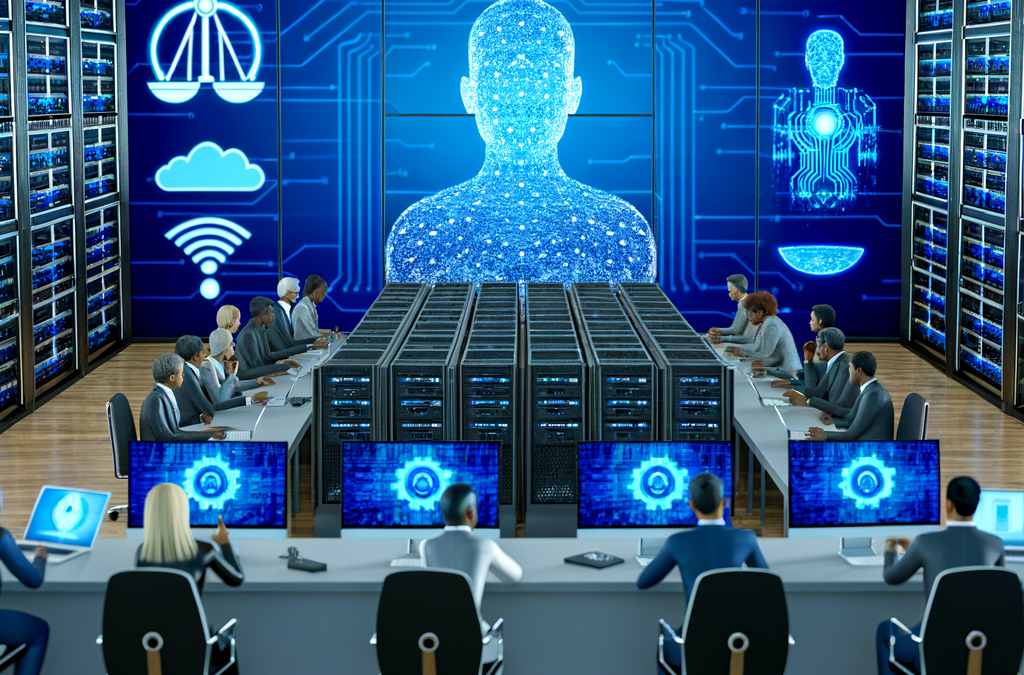
Artificial intelligence (AI) is rapidly transforming many industries, but its implications for cybersecurity and future employment are topics that require careful analysis. This article explores how advanced technologies, such as machine learning and automation, are reshaping the labor and security landscape while adapting to the increasing threats and ethical challenges.
Transformation of cybersecurity through AI
The integration of artificial intelligence in cybersecurity has revolutionized the way organizations protect their digital assets. With the increase in threats and cyberattacks becoming increasingly sophisticated, the need for systems that can learn and adapt autonomously has become crucial. This is where machine learning comes into play, one of the most powerful components of AI. Through advanced algorithms, machine learning enables systems to not only detect known threats but also anticipate and neutralize emerging attacks. These systems analyze vast amounts of data in real time, allowing for a quicker and more efficient response to security threats.
However, the human factor remains crucial. The collaboration between AI and human expertise is essential for tackling the complex challenges posed by today’s cyber threats. While AI can automate many processes and monitoring tasks, the ability of security professionals to interpret data and make strategic decisions is irreplaceable. This synergy enables organizations not only to defend against attacks but also to strengthen their long-term strategies.
The Future of Employment in an Automated World
As AI and automation continue to advance, the future of work is in constant evolution. While it is true that many repetitive and mechanized tasks are being automated, this does not necessarily mean a reduction in employment. On the contrary, the demand for new skills, especially those related to technology, is on the rise. The ability to adapt and continuous learning are now essential components in the profiles of modern professionals.
 Inteligencia artificial y ciberseguridad” />
With the increasing integration of AI across various sectors, jobs that involve data management, information analysis, and strategic decision-making will become increasingly valuable. AI has the power to process large volumes of data and provide crucial insights, but the interpretation and application of these insights require human critical and ethical thinking. This is where multidisciplinary collaboration comes into play, bringing together technology and human expertise to achieve optimal results.

In this new labor ecosystem, ethical considerations regarding the use of AI must also be prioritized. As technology advances, it is essential to ensure that it is used responsibly, protecting data privacy and ensuring fairness and transparency in automated processes.
In summary, AI is redefining cybersecurity and the workforce in ways that prioritize innovation and collaboration. Advances in machine learning and automation present immense opportunities, but they require a balanced approach that combines technology with human knowledge to address ethical and strategic challenges.
How This Works in Practice
Implementing AI in cybersecurity involves a structured approach that requires careful planning and execution. The following steps outline a practical roadmap for organizations looking to integrate AI technologies into their cybersecurity frameworks:
- Assessment of Current Infrastructure: Before introducing AI solutions, organizations must evaluate their existing cybersecurity infrastructure. This includes identifying vulnerabilities, evaluating the effectiveness of current tools, and understanding the data landscape.
- Defining Objectives: Clear objectives must be established to guide the implementation process. These objectives should align with the organization’s overall cybersecurity strategy and address specific threats or weaknesses.
- Data Collection and Preparation: AI systems rely on large datasets for training. Organizations should gather relevant data from various sources, ensuring it is clean, labeled, and structured for analysis. This step is crucial as the quality of data directly impacts the performance of AI models.
- Choosing the Right AI Tools: Selecting appropriate AI technologies is vital. Organizations can choose from various machine learning frameworks and tools tailored for cybersecurity, such as anomaly detection systems, threat intelligence platforms, and automated response systems.
- Integration with Existing Systems: AI tools must be integrated with current cybersecurity systems and processes. This requires collaboration between IT and cybersecurity teams to ensure seamless communication and data sharing across platforms.
- Training and Testing AI Models: Once integrated, AI models should be trained using the prepared datasets. Continuous testing and evaluation are necessary to assess the model’s effectiveness in detecting and responding to threats.
- Human Oversight and Collaboration: Security professionals must work alongside AI systems to interpret results and make informed decisions. Training programs should be established to equip staff with the skills needed to effectively collaborate with AI technologies.
- Monitoring and Continuous Improvement: Post-implementation, organizations should continuously monitor the performance of AI systems. Regular updates and retraining of models are essential to adapt to evolving threats and improve accuracy.
Involving stakeholders from various departments, including IT, legal, and compliance, is critical throughout the implementation process to ensure that all perspectives are considered, particularly regarding ethical implications and regulatory requirements.
What to Watch Out For
While the integration of AI in cybersecurity offers numerous advantages, there are several limitations and potential pitfalls to be aware of:
- Over-reliance on AI: Organizations may fall into the trap of over-relying on AI systems, neglecting the importance of human judgment. AI can enhance decision-making but should not replace the critical thinking and contextual awareness that human professionals provide.
- Data Privacy Concerns: The collection and processing of data for AI training can raise privacy issues. Organizations must ensure compliance with data protection regulations and implement measures to safeguard sensitive information.
- Bias in AI Algorithms: AI systems can inadvertently learn biases present in training data, leading to unfair or inaccurate outcomes. Regular audits and diverse datasets are essential to mitigate bias and ensure fairness in AI decisions.
- Integration Challenges: Merging AI tools with existing cybersecurity frameworks can present technical challenges. Incompatibility issues may arise, requiring additional resources and time to resolve.
- Skill Gaps: As demand for AI-related skills increases, organizations may struggle to find qualified personnel. Continuous training and development programs are necessary to build an effective workforce capable of leveraging AI technologies.
- Dynamic Threat Landscape: The fast-evolving nature of cyber threats means that AI systems must be continuously updated and adapted. Organizations must be prepared for the ongoing commitment to refine their AI capabilities in response to new attack vectors.
Recognizing these challenges early on can help organizations avoid common mistakes and ensure a more successful implementation of AI in their cybersecurity efforts.
Frequently Asked Questions
Q: How can organizations ensure the ethical use of AI in cybersecurity?
A: Organizations can ensure ethical use by establishing clear guidelines and policies, conducting regular audits of AI systems, and prioritizing transparency in decision-making processes related to AI applications.
Q: What skills should cybersecurity professionals focus on to adapt to AI integration?
A: Cybersecurity professionals should focus on enhancing their data analysis, machine learning understanding, and ethical decision-making skills. Continuous learning through training programs and certifications can help them remain relevant in an AI-driven environment.
Q: Are there specific industries more affected by AI in cybersecurity?
A: Industries that handle large volumes of sensitive data, such as finance, healthcare, and government, are particularly affected by AI in cybersecurity due to their heightened vulnerability to cyber threats and the need for robust security measures.
Q: What role does human expertise play in AI-driven cybersecurity?
A: Human expertise is essential for interpreting AI-generated insights, making strategic decisions, and providing contextual understanding that AI systems may lack. The collaboration between AI and human professionals enhances overall cybersecurity effectiveness.