
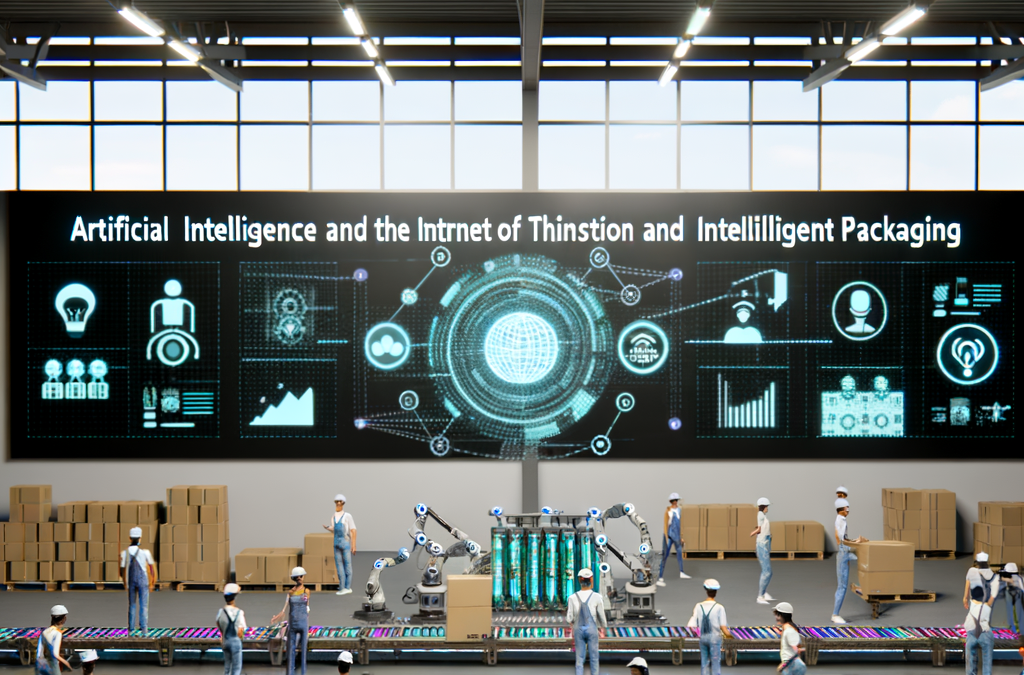
Technology is transforming every aspect of our lives, and the convergence of artificial intelligence (AI) with the Internet of Things (IoT) is redefining the future of packaging design. From sustainability to personalization, the fusion of AI and IoT is revolutionizing packaging, providing real-time data and unprecedented consumer experiences.
The Revolution of Smart Packaging and Its Impact on Sustainability
The concept of smart packaging has evolved beyond a mere container. With the integration of AI and IoT, packaging not only protects the product but also becomes a vital channel for consumer interaction. Nowadays, packages can contain smart sensors that collect real-time data to provide predictive insights on consumption habits, preferences, and specific needs. This not only optimizes the user experience but also contributes to more effective shopper marketing strategies.

Sustainability is a central theme in the packaging industry. Innovations in eco-friendly materials are integrated with advanced technologies to create sustainable packaging that helps minimize environmental impact. AI solutions enable the development of packaging that uses fewer resources, is more durable, and still manages to attract consumers. For example, the use of recyclable materials combined with optimized designs and integrated sensors represents a significant advancement in creating smart and environmentally friendly packaging solutions.
Maximizing Consumer Engagement through Technology
A crucial factor in the success of any product is its ability to attract and maintain consumer interest. The implementation of AI-powered tools allows for the creation of interactive packaging experiences that go beyond mere wrapping. For instance, the incorporation of QR codes and augmented reality (AR) features enables consumers to interact with the product in innovative and personalized ways. Advanced tools like Dragonfly AI facilitate visual intelligence, analyzing the effectiveness of packaging design in real-time to maximize its appeal.
Another relevant aspect is how AI facilitates customized packaging. By utilizing predictive analytics and real-time data, brands can tailor their products to meet specific expectations, offering everything from personalized designs to targeted messages that strengthen the emotional connection with the consumer. The packaging optimization based on data-driven insights allows companies to adjust their marketing approach, increasing engagement and customer loyalty.

The advancement in packaging testing capabilities is also facilitated by AI. Previously, packaging tests were lengthy and costly processes. However, AI-assisted simulations enable faster and more economical testing, reducing the time required to bring an optimized product to market. This not only saves costs but also enhances the ability to respond quickly to changing consumer trends.
The integration of AI and IoT in packaging design is transforming the way brands communicate with their customers, enhancing sustainability and improving engagement through smart and personalized packaging. These innovations create opportunities for companies to not only enhance their products but also strengthen their relationship with an increasingly demanding and environmentally conscious consumer.
How This Works in Practice
Implementing AI and IoT in packaging design involves a series of structured steps that require collaboration across various departments. Initially, companies must assess their current packaging processes and identify areas where AI and IoT can add value. This often begins with a feasibility study to understand the technological requirements and potential return on investment.
Next, the organization needs to establish a multidisciplinary team that includes packaging engineers, data scientists, marketing professionals, and sustainability experts. This team will be responsible for defining the objectives of the smart packaging initiative, such as improving consumer engagement or reducing environmental impact.
Following this, a pilot project can be initiated. This typically involves selecting a specific product line to test smart packaging solutions. The chosen packaging will incorporate IoT sensors that gather data on consumer interactions and environmental conditions. AI algorithms will analyze this data to generate insights, which can then inform packaging design adjustments.
Once the pilot project is underway, continuous monitoring and evaluation are crucial. Data collected from the smart packaging will be assessed to determine its effectiveness in achieving the set goals. Based on these insights, iterative improvements can be made, allowing for the refinement of both the packaging and the underlying technology.
Finally, if the pilot proves successful, the organization can scale up the implementation across additional product lines. This phase may involve further investments in technology, training for staff, and potential partnerships with tech providers to ensure ongoing support and innovation.
What to Watch Out For
While the integration of AI and IoT in packaging design offers numerous benefits, there are several limitations and trade-offs that decision-makers should consider. One significant concern is the initial investment required for technology acquisition and integration. Small to medium-sized enterprises may find it challenging to allocate resources for such advanced solutions without a guaranteed return.
Another limitation is the complexity of data management. The vast amount of data generated by IoT devices requires robust data analytics capabilities. Companies must ensure they have the necessary infrastructure to handle, store, and analyze this data effectively. A common mistake is underestimating the time and resources needed for data processing and interpretation.
Furthermore, there is the risk of over-reliance on technology. While AI can provide valuable insights, it is essential to balance data-driven decisions with human intuition and creativity, especially in areas such as design and consumer engagement.
Lastly, privacy and security issues are paramount. The collection of consumer data through smart packaging raises concerns about data protection and compliance with regulations. Companies must be diligent in implementing security measures to protect consumer information and avoid potential legal repercussions.
Frequently Asked Questions
Q: What are the initial steps for integrating AI and IoT into our packaging design?
A: Start by assessing your current packaging processes and identifying areas for improvement. Form a multidisciplinary team to define your objectives and consider running a pilot project with select products to test smart packaging solutions.
Q: How can we ensure the effectiveness of smart packaging?
A: Continuous monitoring and evaluation of the data collected from the smart packaging are crucial. Use these insights to make iterative improvements and refine your packaging design based on consumer interactions and environmental conditions.
Q: What are the potential costs associated with implementing AI and IoT in packaging?
A: The costs can vary significantly based on the technology and scale of implementation. Initial investments may include technology acquisition, integration, and ongoing data management, which can be challenging for smaller enterprises.
Q: How do we address consumer privacy concerns with smart packaging?
A: It is essential to implement robust security measures to protect consumer data and ensure compliance with relevant regulations. Transparency with consumers about data collection practices can also help build trust.