
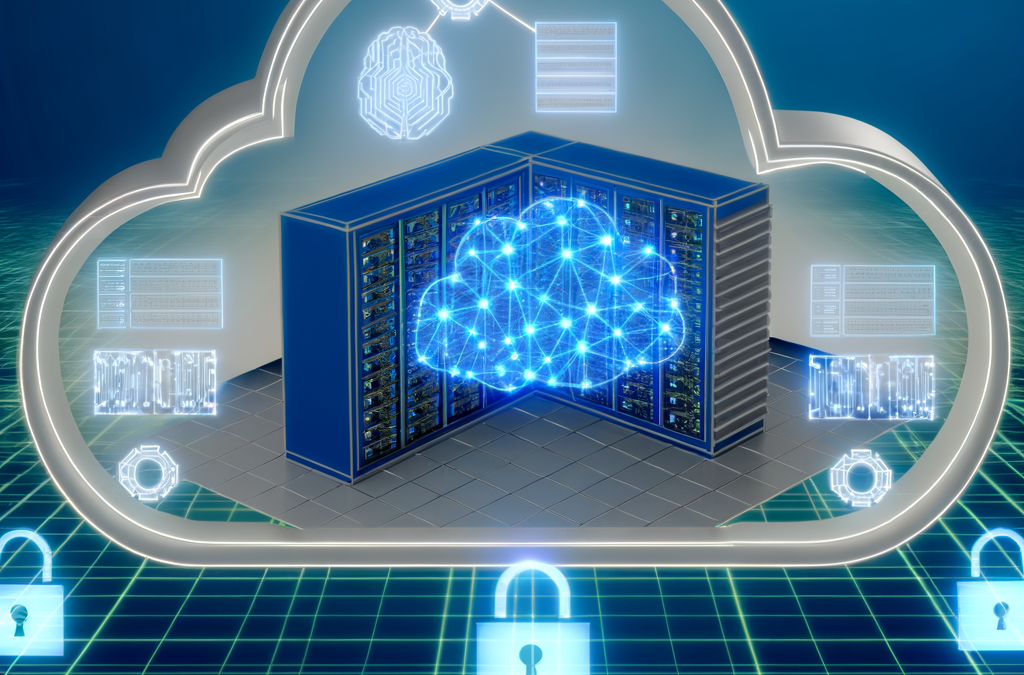
In today’s interconnected world, artificial intelligence is transforming every aspect of technology, including cybersecurity. Through advanced solutions like Microsoft security and innovative tools such as Microsoft Sentinel, the use of generative AI and machine learning is becoming an essential component for cyber threat detection and enhancing cloud security.
The Fundamental Role of Artificial Intelligence in Cybersecurity
Artificial intelligence (AI) is redefining the way we conceive cybersecurity. Thanks to its ability to process and analyze large volumes of data, AI can identify anomalous behaviors in real-time, resulting in greater efficiency in cyber threat detection. This advanced data processing is enhanced by machine learning, which allows systems to adapt and continuously improve.
In this context, Microsoft Defender has established itself as a crucial component in the realm of security solutions. Its capabilities range from end-point protection to comprehensive identity management, thereby ensuring data protection at multiple levels. By integrating AI, Microsoft not only detects threats but also predicts potential attacks, enabling a proactive response.

Microsoft Sentinel, on the other hand, serves as a robust SIEM (Security Information and Event Management) and XDR (Extended Detection and Response) solution. This powerful tool collects data from various sources and devices, providing a comprehensive and centralized view of the cyberattack surface. By utilizing advanced generative AI techniques, Sentinel enhances threat intelligence, enabling organizations to make informed and timely decisions to mitigate potential risks.

Integration of Security in the Cloud and Information Protection
Cloud security has become an unavoidable priority for companies looking to protect their digital assets in a globalized and complex environment. The adoption of cloud services, such as those offered by Microsoft, requires a proper understanding and management of identity and access administration. Thanks to AI, these solutions enable the establishment of precise and customizable controls, ensuring that only authorized users can access critical information.
The ITDR (Identity and Threat Detection and Response) is another vital component, focused on identity protection, one of the most common attack vectors today. By leveraging AI and advanced analytics, ITDR tools can identify unauthorized access attempts and take automatic measures to prevent credential exploitation. This, along with sophisticated information protection policies, ensures that sensitive data is safeguarded against theft and abuse.
Microsoft has led these efforts through solutions like Azure Active Directory, which enhance cloud security by implementing multi-factor authentication and continuous risk assessment. This strategy not only protects stored data but also safeguards the integrity of companies’ technological infrastructure.
In summary, the merger of artificial intelligence and machine learning in the field of cybersecurity has revolutionized companies’ ability to detect, prevent, and respond to cyber threats. Solutions like Microsoft Defender and Microsoft Sentinel provide powerful tools that not only ensure data protection but also enhance the overall security of the cloud ecosystem. Investing in advanced technology is becoming imperative to safeguard digital assets in an increasingly interconnected world.
How This Works in Practice
Implementing AI-driven cybersecurity solutions like Microsoft Defender and Microsoft Sentinel involves a structured approach that requires careful planning and coordination among various stakeholders. The following steps outline a practical implementation sequence:
- Assessment of Current Security Posture: Organizations must begin by conducting a comprehensive evaluation of their existing security infrastructure, identifying vulnerabilities, and understanding the specific threats they face.
- Defining Objectives: Clear objectives should be established, focusing on what the organization aims to achieve with AI integration, such as enhanced threat detection or improved incident response times.
- Stakeholder Engagement: Involvement from key stakeholders, including IT teams, security professionals, and executive leadership, is crucial to ensure alignment on goals and resource allocation.
- Selection of Tools: Organizations should then select the appropriate AI tools and solutions, such as Microsoft Defender for endpoint protection and Microsoft Sentinel for centralized threat management, based on their specific needs.
- Data Integration: A successful implementation requires the integration of data from various sources, including on-premises systems and cloud services. This step is critical for achieving a holistic view of the security landscape.
- Configuration and Customization: Configuring the selected tools to align with the organization’s security policies and customizing settings, such as alerts and response protocols, is essential to maximize effectiveness.
- Training and Awareness: Providing training for staff on how to utilize these tools effectively and fostering a culture of cybersecurity awareness throughout the organization is vital for successful adoption.
- Continuous Monitoring and Improvement: Once implemented, organizations should continually monitor the performance of their AI-driven solutions, analyzing their effectiveness against evolving threats and making necessary adjustments.
By following these steps, organizations can effectively integrate AI and machine learning into their cybersecurity frameworks, enhancing their ability to detect and respond to threats in real-time.
What to Watch Out For
While AI-driven solutions offer numerous benefits, there are important limitations and trade-offs that organizations should consider before implementation:
- Data Privacy Concerns: Integrating AI requires access to vast amounts of data, which can raise privacy issues. Organizations must ensure they comply with relevant data protection regulations to avoid legal consequences.
- False Positives: AI systems can generate false positives, leading to unnecessary alerts and potential alert fatigue among security teams. This can divert attention from genuine threats and reduce overall effectiveness.
- Dependency on Quality Data: The effectiveness of AI tools heavily relies on the quality of input data. Poor-quality or incomplete data can lead to inaccurate threat assessments, undermining the system’s reliability.
- Cost of Implementation: Deploying sophisticated AI-driven solutions can be costly, not only in terms of software licensing but also in required hardware upgrades and ongoing maintenance. Organizations must weigh these costs against the potential benefits.
- Skill Gaps: There may be a shortage of skilled professionals who understand how to leverage AI-driven cybersecurity tools effectively, leading to potential implementation challenges and underutilization of the technology.
- Over-reliance on Automation: While automation can enhance efficiency, over-reliance on AI may lead to reduced human oversight. Human judgment is still crucial for interpreting complex security scenarios and making nuanced decisions.
Understanding these potential pitfalls will help organizations make informed decisions and optimize their use of AI in cybersecurity.
Frequently Asked Questions
Q: What are the initial steps to take when considering AI for cybersecurity?
A: Organizations should start with a comprehensive assessment of their current security posture, define clear objectives for AI integration, and engage key stakeholders to ensure alignment and support.
Q: How can organizations reduce false positives generated by AI systems?
A: To minimize false positives, organizations can regularly fine-tune their AI models, incorporate feedback loops from security analysts, and ensure that the input data is of high quality and relevant to their specific environment.
Q: What should organizations do if they lack skilled personnel to manage AI-driven tools?
A: Organizations can invest in training programs to upskill their existing workforce, consider partnering with external cybersecurity firms, or utilize managed security services to bridge the skills gap.
Q: How do AI-driven cybersecurity solutions adapt to new threats?
A: AI systems leverage machine learning algorithms that continuously analyze incoming data, allowing them to identify patterns and anomalies. As new threats emerge, these systems can adjust their detection mechanisms based on learned behaviors.