
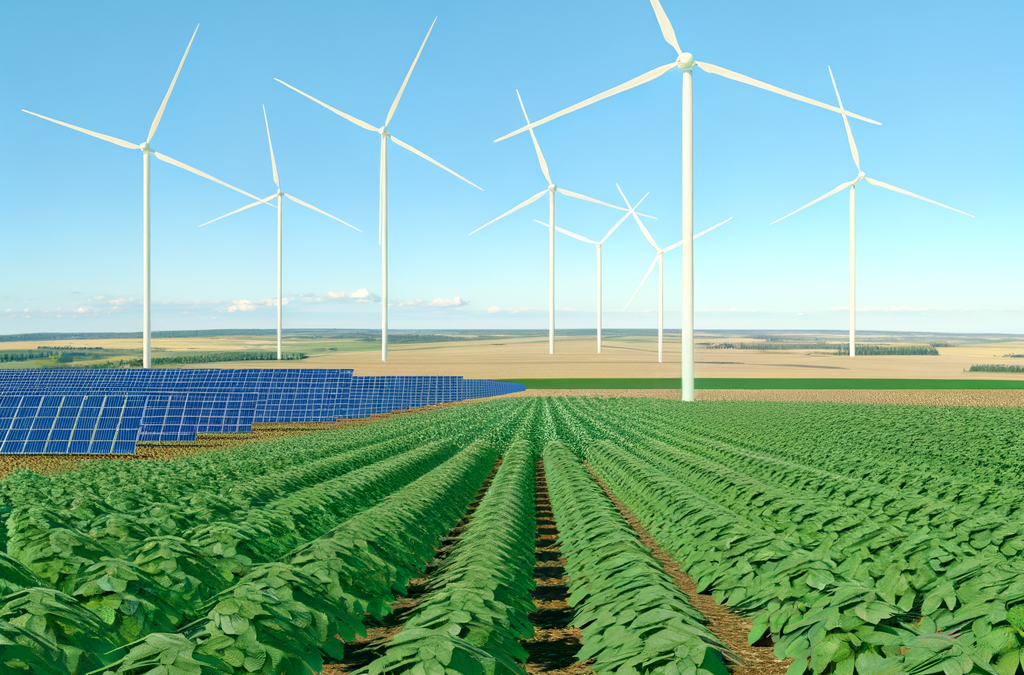
In an increasingly environmentally conscious world, artificial intelligence (AI) emerges as a vital tool for promoting sustainable development. Through technological innovations, AI can address urgent challenges such as climate change, environmental conservation, and the promotion of renewable energy. This analysis highlights how artificial intelligence is revolutionizing several key areas.
Inteligencia Artificial y Energía Renovable
The role of artificial intelligence in the development of renewable energy is crucial for achieving the Sustainable Development Goals (SDGs) set by the United Nations. AI enhances energy efficiency by optimizing the production and consumption of energy resources. A notable example is the use of machine learning algorithms to predict energy consumption patterns and dynamically adjust the output of solar and wind plants. This predictive capability not only improves efficiency but also minimizes energy waste, a vital step towards sustainability.
Furthermore, the integration of AI into electrical grids enables a more efficient management of renewable energy, thereby reducing dependence on unsustainable energy sources. Through intelligent systems, electrical grids can better manage supply and demand, alleviating the burden on existing infrastructure and preventing blackouts. This approach not only enhances grid stability but also supports the transition to a greener and more resilient energy system.
Inteligencia Artificial y Agricultura Sostenible
AI is also transforming agriculture, promoting more sustainable and efficient practices that are essential for combating climate change. Smart agriculture, powered by AI, enables farmers to monitor their crops in real-time through sensors and drones, which collect data on soil health, weather conditions, and plant growth. This data is analyzed to make informed decisions that optimize the use of resources such as water and fertilizers, thereby reducing environmental impact.
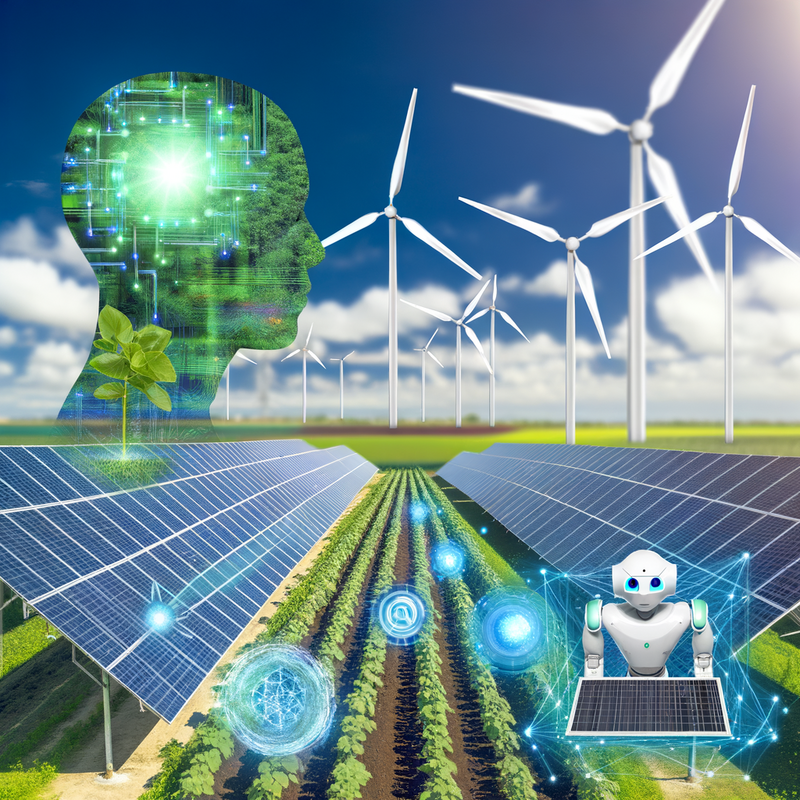
On the other hand, AI enhances climate prediction, helping farmers better prepare for extreme weather events. This capability not only contributes to food security but also strengthens the resilience of rural communities against natural disasters. The integration of AI in agriculture not only promises to increase productivity but also directly supports biodiversity conservation efforts by promoting environmentally friendly farming practices.
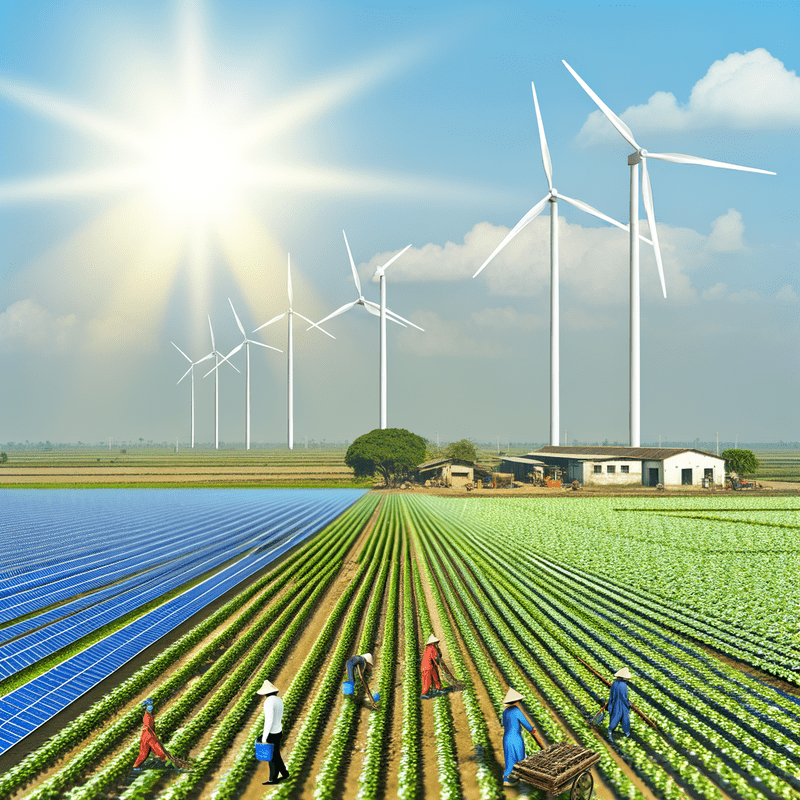
It is also important to highlight the strengthening of sustainable agriculture, a critical component in the fight against climate change. The adoption of AI-based technologies enables farms to be more sustainable and profitable, which is essential for protecting our planet and feeding a growing global population.
Artificial intelligence plays a crucial role in advancing towards a more sustainable future by transforming energy management and agriculture. By integrating renewable energies and optimizing agriculture, we enhance efficiency and sustainability. The application of AI is key to addressing environmental challenges, guiding us towards innovative solutions that support global sustainable development.