
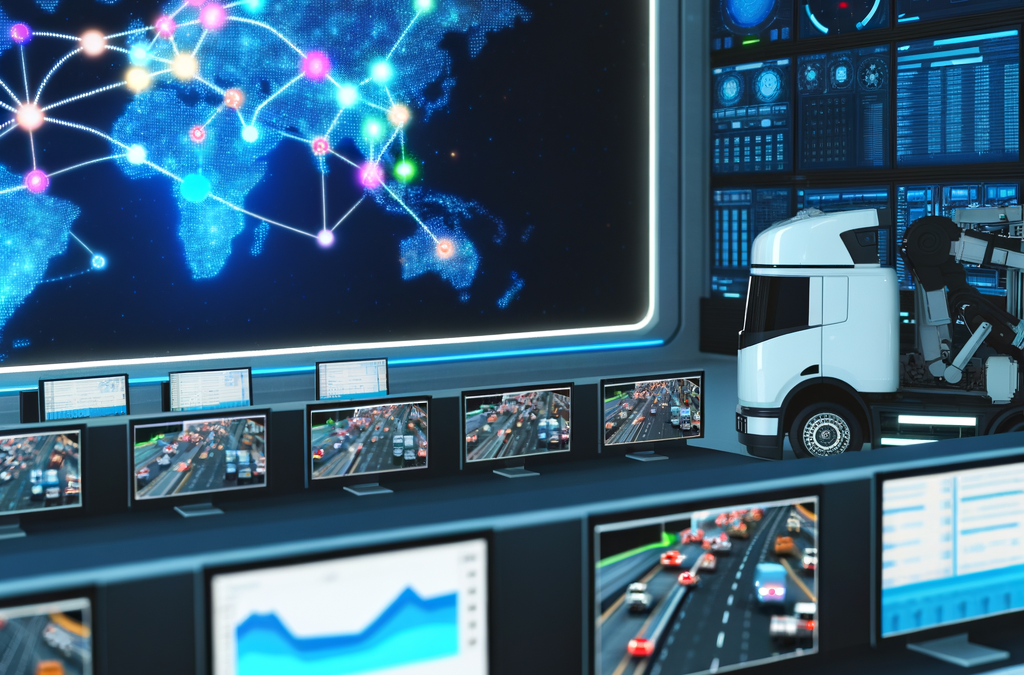
In an increasingly technology-driven world, artificial intelligence (AI) plays a crucial role in transforming fleet management. By integrating AI with advanced tools such as Geotab and video telematics, companies can optimize routes, enhance driver safety, and ensure regulatory compliance, all while promoting sustainability and reducing operational costs.
Transformation of Fleet Management with AI and Telematics
Currently, fleet management is not just about moving vehicles from point A to point B. Telematics technology and artificial intelligence (AI) are redefining what is possible. By integrating GPS tracking systems and video telematics, fleet managers can obtain real-time reports on the location and behavior of vehicles and drivers, which transforms a company’s operational efficiency.
One of the main advantages of integrating AI and telematics is the ability to optimize routes. By employing machine learning algorithms, companies can predict traffic conditions and calculate the most efficient routes that not only save time but also fuel. This optimization has a direct impact on sustainability and operational costs, reducing carbon emissions and improving profit margins.
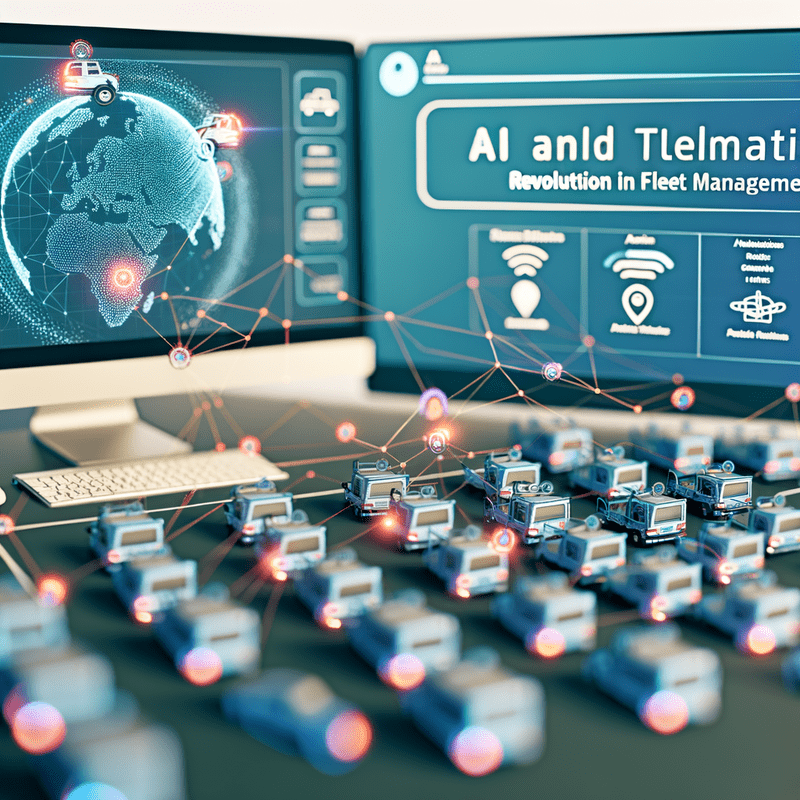
Some industry leaders, such as Geotab, are at the forefront of this transformation. By utilizing asset tracking and predictive analytics tools, they provide fleet managers with a holistic view. This includes not only vehicle location data but also wear patterns that can be predicted through advanced analytics, enabling more efficient predictive maintenance.
Driving Security and Compliance through AI
In addition to optimizing efficiency, the implementation of AI in fleet management plays a crucial role in enhancing driver safety and ensuring regulatory compliance. Video telematics technology can analyze driving patterns and alert operators to risky behaviors, such as harsh accelerations or braking, allowing for proactive intervention to improve safety.

By integrating API, telematics solutions provide a powerful platform for companies to customize and expand their capabilities. These interfaces enable integration with other management systems and data analytics, ensuring that sustainability and compliance strategies remain aligned with corporate objectives. A key marker is fraud detection, where artificial intelligence can identify anomalies in the data to safeguard operations.
With these technologies, companies can develop a sustainability strategy that is more robust, maximizing return on investment while minimizing environmental impact. Accurate maintenance predictions not only extend the lifespan of vehicles but also ensure efficient resource use, a primary goal in the strategy of any modern fleet management.
Through the strategic use of AI, telematics, and machine learning, fleet management becomes a more efficient, safe, and sustainable process. Advanced technologies like those offered by Geotab not only facilitate cost reduction and route optimization but also ensure regulatory compliance and driver safety, supporting corporate goals of sustainability and operational efficiency.
How This Works in Practice
Implementing AI and telematics in fleet management involves a systematic approach that requires careful planning and execution. Here’s a detailed look at the steps involved:
- Assessment of Current Systems: The first step is to evaluate existing fleet management processes and technologies. This includes reviewing current telematics systems, data management practices, and compliance measures.
- Identifying Objectives: Fleet managers must clearly define their objectives for integrating AI and telematics. Common goals include improving route efficiency, enhancing driver safety, and ensuring compliance with regulations.
- Choosing the Right Technology: Selecting suitable telematics solutions is crucial. Companies should consider factors such as scalability, integration capabilities, and the specific features offered, like predictive analytics and video monitoring.
- Data Integration: Once the technology is selected, it’s essential to integrate it with existing systems. This may involve API integration with other management tools and ensuring data flows seamlessly between platforms.
- Training Personnel: Staff training is vital for successful implementation. Fleet operators, drivers, and management should be trained on how to use the new systems effectively and understand the insights generated.
- Monitoring and Adjustment: After implementation, continuous monitoring is necessary to assess the effectiveness of the AI and telematics solutions. Feedback loops should be established to make adjustments based on performance data and changing operational needs.
- Regular Maintenance and Updates: To ensure longevity and efficiency, regular updates to software and hardware components are essential. This also includes ongoing training for personnel to keep them abreast of new features and best practices.
Involvement from various stakeholders, including IT professionals, fleet managers, and drivers, is essential throughout this process to ensure all perspectives are considered, and the implementation is smooth.
What to Watch Out For
While the integration of AI and telematics can significantly enhance fleet management, there are several important considerations to keep in mind:
- Data Overload: With the influx of data from telematics systems, companies may face challenges in analyzing and interpreting this information. It’s vital to have effective data management tools and processes in place to avoid confusion and ensure actionable insights.
- Initial Costs: The upfront investment in telematics and AI technologies can be substantial. Companies must weigh the long-term benefits against the initial costs and consider how to budget for ongoing expenses, such as subscriptions or maintenance.
- Dependence on Technology: Over-reliance on technology can lead to complacency. It’s essential to maintain human oversight and decision-making capabilities, especially in critical situations where human judgment is irreplaceable.
- Integration Challenges: Merging new technologies with legacy systems can be complex and time-consuming. Companies should prepare for potential compatibility issues and plan for a phased integration approach to minimize disruptions.
- Compliance Risks: As regulations evolve, staying compliant can be a moving target. Companies must remain vigilant and proactive in adapting their systems to ensure they meet all regulatory requirements.
Awareness of these potential pitfalls can help organizations navigate the complexities of implementing AI and telematics in fleet management successfully.
Frequently Asked Questions
Q: How long does it take to implement AI and telematics in a fleet?
A: The implementation timeline varies based on the size of the fleet, the complexity of existing systems, and the technology chosen. Typically, it can take anywhere from a few weeks to several months to fully integrate new systems and train personnel.
Q: What kind of data can be collected with telematics?
A: Telematics systems can collect various data types, including vehicle location, speed, fuel consumption, driver behavior, maintenance needs, and environmental conditions. This data helps in making informed decisions for fleet optimization.
Q: Can AI help with driver training?
A: Yes, AI can analyze driver behavior and identify patterns that may indicate a need for training. Insights from video telematics can provide real-time feedback to drivers, helping them improve their skills and reduce risky behaviors.
Q: How can I ensure the security of the data collected?
A: Implementing robust cybersecurity measures is critical. This includes using encrypted connections, regularly updating software, and training employees on data protection practices to safeguard against breaches and unauthorized access.
Related Articles
- AI: Revolution in Water Management and Conservation
- AI Transforms Natural Disaster Management with Data
- AI: Transformation of Risk Management and Compliance
Get our new articles by email
One email per article. Unsubscribe anytime.