
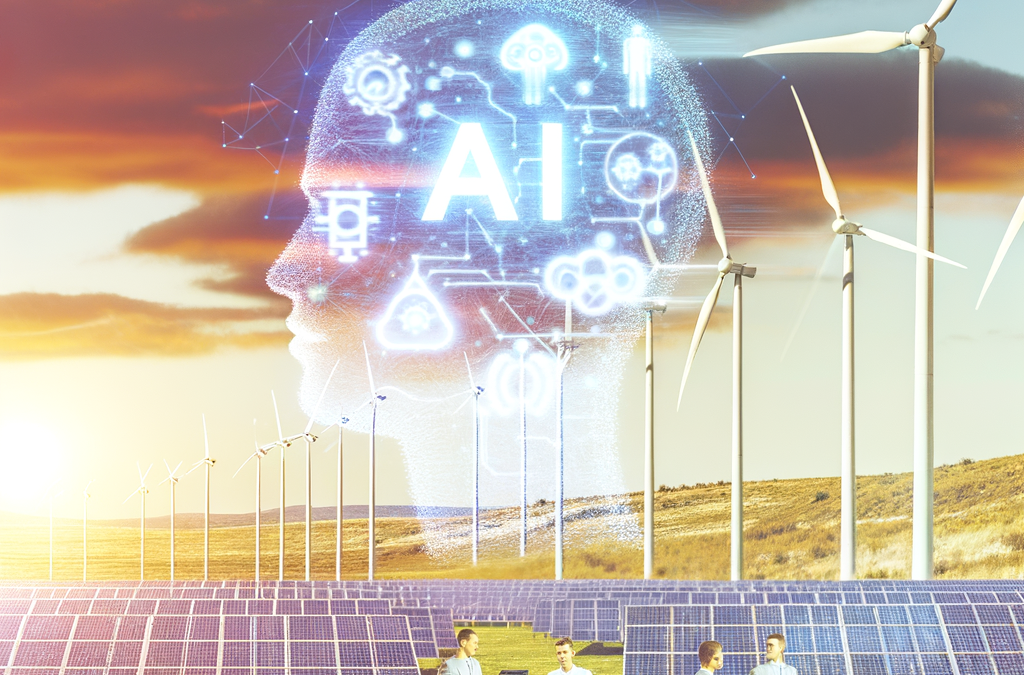
The intersection between artificial intelligence and the energy sector is leading to a true revolution aimed at modernizing the grid, optimizing energy use, and advancing towards a more sustainable and efficient economy. This article explores how advancements in AI are driving energy innovation, enhancing the infrastructure and security of our energy future.
Energy Innovation through Artificial Intelligence
In a world facing the urgent challenge of climate change, energy innovation becomes a global priority. Artificial Intelligence stands out as a powerful player, capable of transforming the landscape through optimization and efficiency across various energy sectors. A key example is the work of the Department of Energy, which is leading initiatives to modernize the electrical grid. By utilizing AI-driven tools, such as the voltAIc Initiative project, technologies are being developed and deployed that facilitate better management of energy supply and demand.
AI tools such as load forecasting systems are essential for enhancing network operations. AI enables the prediction of peaks in energy usage by leveraging historical and real-time data to ensure that energy is available when it is needed most. This not only increases energy efficiency but also reduces waste and environmental impact. Furthermore, these AI-powered technologies are crucial for integrating clean and renewable energy sources, such as sustainable biofuels and nuclear energy, into the electrical grid.
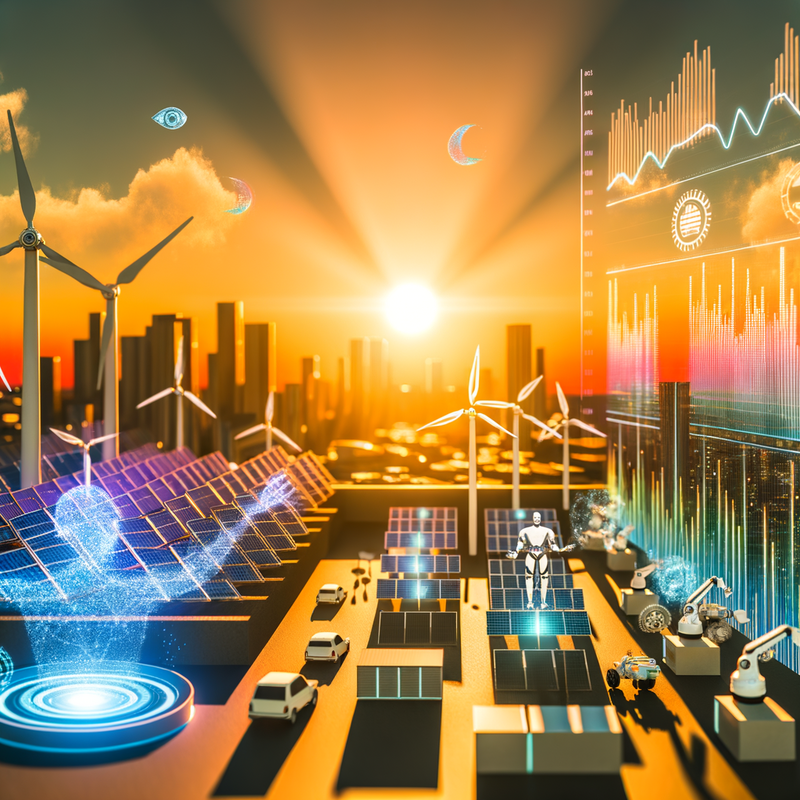 Inteligencia artificial y las energías renovables” style=”max-width: 800px; width: 100%; height: auto; display: block; margin: 20px auto;” />
AI and Efficiency in Energy Processes
The use of AI-driven solutions not only optimizes network management but is also crucial for enhancing the efficiency of energy manufacturing and distribution. AI is transforming the way energy industries produce and distribute their products through manufacturing optimization. These more efficient processes directly contribute to cost reduction and improved environmental sustainability.
In addition to optimizing processes, AI plays a vital role in permitting processes and infrastructure implementation. Initiatives like PolicyAI are helping to automate and simplify these processes, enabling faster deployment of critical energy infrastructures. This is particularly relevant for new technologies and renewable energies that require regulatory approval. Through these advancements, AI is paving the way for a more robust and resilient infrastructure, necessary to meet growing demand and ensure energy security.
In the field of energy security, AI is significantly enhancing procedures through predictive tools that help identify and mitigate risks before they materialize. Within highly specialized applications such as nuclear energy and particle/high energy physics, AI provides detailed, real-time analysis, enabling quick and effective responses to any potential issues.
Decarbonization, one of the most significant goals today, is also being driven by AI. By optimizing industrial processes and energy generation, artificial intelligence helps to drastically reduce carbon emissions. This reduction not only has an immediate positive impact on the environment but also promotes more responsible energy practices on a global scale.
The integration of artificial intelligence in the energy sector is revolutionizing the way we manage, consume, and distribute energy, laying the groundwork for an environmentally sustainable and energy-efficient future.