
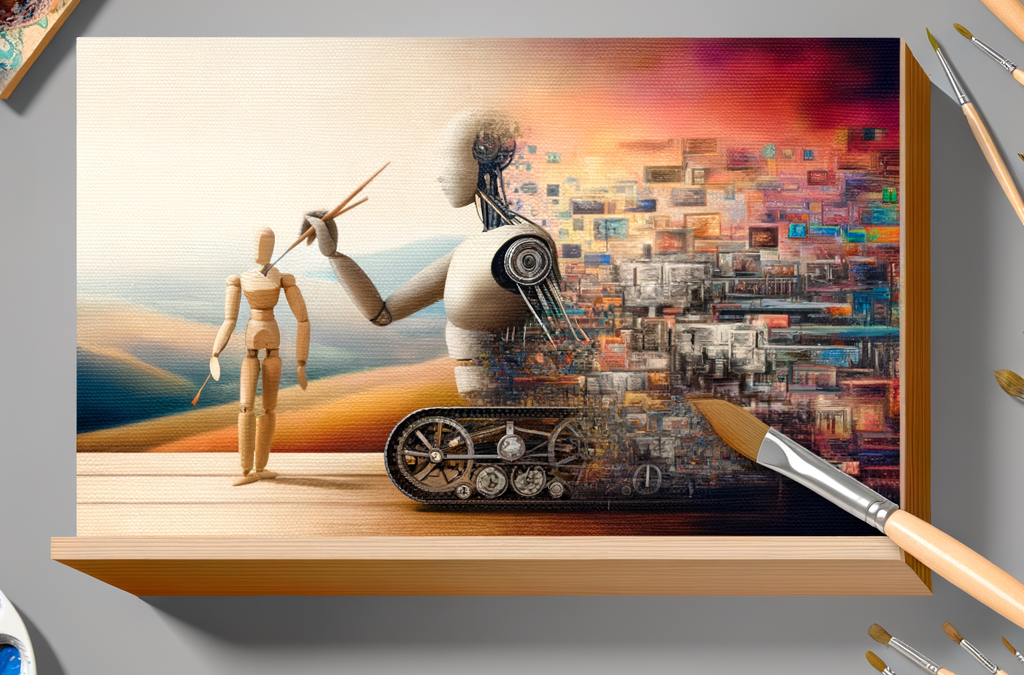
The integration of artificial intelligence in the world of art is reshaping our understanding of creativity and the artistic creation process. This development presents new challenges and opportunities for artists, audiences, and collectors worldwide, while questioning the boundaries of human and digital expression in the 21st century.
Artificial Intelligence and Creativity: A New Paradigm in Contemporary Art
The relationship between artificial intelligence and art has evolved significantly in recent years. The use of sophisticated algorithms and advanced programming has enabled not only the creation of artworks but also an exploration of computational creativity. This new form of art, which oscillates between the human and the technological, is increasingly present in galleries and art exhibitions around the world.
AI-generated artworks are shaking the traditional structures of the art market. At fairs and auctions, the technological advantages and innovations are causing a paradigm shift. These events not only provide a glimpse into the future of art but also serve as a platform for active participation from the public and a new model of contemporary collecting. Digital art exhibitions and auctions are attracting a younger audience, increasingly interested in the intersection of technology and artistic expression.
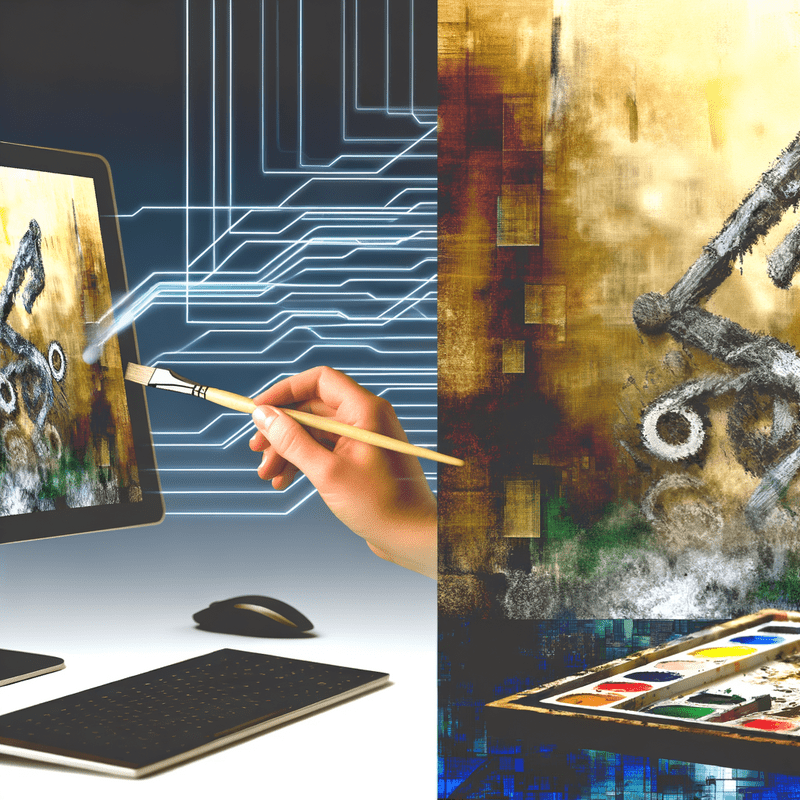
The Cultural Impact and Creation Dynamics
The advancement of artificial intelligence in the artistic field also represents a cultural meeting point and an opportunity for international collaboration. Contemporary artists are integrating cutting-edge technologies into their creative practices, transcending borders and fostering a dynamic cultural exchange. AI programs, which initially focused on graphic design, are now applicable across various artistic mediums thanks to the support of sponsors interested in digital transformation.
Interactivity plays a fundamental role in this new form of art. Not only do viewers become participants in an immersive cultural experience, but AI-generated art also raises questions about intellectual property rights. How is authorship defined in a realm where algorithms create content under the guidance of programmers? This is an ongoing debate among experts, critics, artists, and the art market.
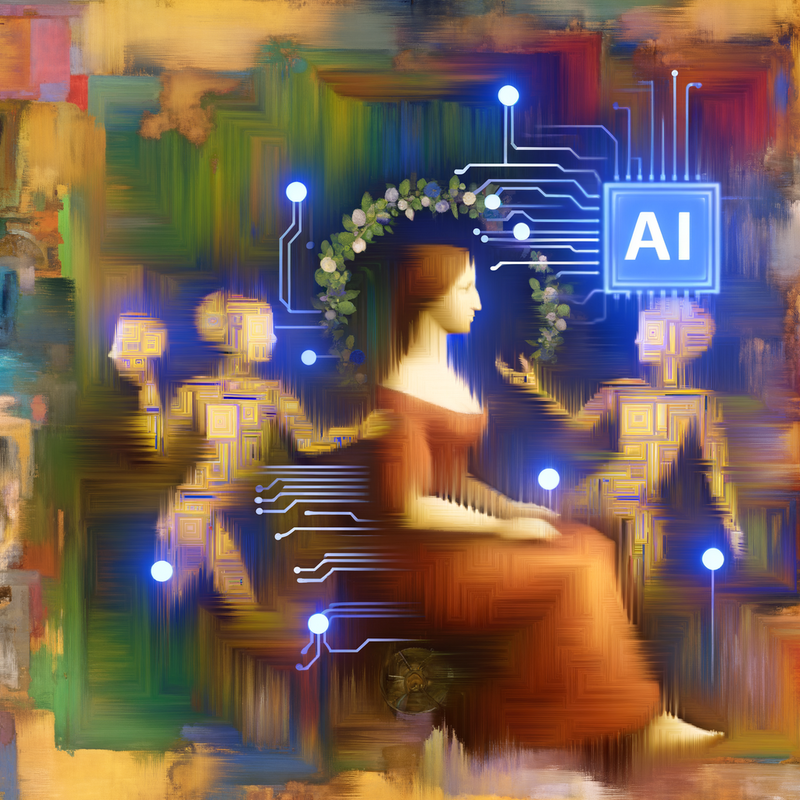
The specialized criticism analyzes these works from multiple perspectives, considering the dynamics of creation, the interaction with audiences, and the international context in which they are presented. In this sense, technology is not just a tool, but also an integral part of the artistic experience. This promises a future in which humans and machines collaborate symbiotically to overcome traditional creative limitations and enrich our cultural heritage.
The interactions between artificial intelligence and contemporary art are shaping a new artistic and cultural horizon. This transformation stimulates innovation, encourages interactivity, and redefines audience engagement. With each exhibition, auction, or international collaboration, the future of digital art continues to expand, blurring the lines between the human and the machine.
How This Works in Practice
Implementing AI in the artistic process involves several key steps and considerations. First, artists and programmers must establish a clear vision of the desired outcome. This could range from generating visual art to composing music or creating interactive installations. Collaboration between artists and AI specialists is crucial, as it ensures that the creative intent is effectively translated into the algorithm’s framework.
Next, the selection of appropriate AI tools and software is essential. Various platforms offer different capabilities, from machine learning models that analyze existing artworks to generative algorithms that create entirely new pieces. Artists should evaluate these tools based on their specific needs, such as the type of art they wish to create and the level of interactivity desired.
Once the tools are chosen, a prototype or initial version of the artwork can be developed. This phase often involves iterative testing and refinement, where artists experiment with the AI’s outputs and provide feedback. The ability to adjust parameters and guide the AI’s learning process is vital to achieving a satisfactory result that aligns with the artist’s vision.
In parallel, artists must consider the audience’s role in the artwork. Many AI-driven projects incorporate interactive elements, inviting viewers to influence the creation or evolution of the piece. This can be achieved through user input mechanisms, such as touchscreens or motion sensors, which allow the audience to engage actively with the art.
Finally, the completed work should be exhibited in a manner that highlights its unique characteristics. This might involve digital galleries, online platforms, or physical installations equipped with technology to enhance viewer interaction. The presentation of AI-generated art should not only showcase the final product but also emphasize the innovative process and collaboration between human creativity and machine intelligence.
What to Watch Out For
While the integration of AI into the art creation process offers exciting opportunities, there are several limitations and trade-offs that artists and stakeholders should be aware of. One significant concern is the reliance on technology, which can lead to a loss of the human touch that many traditional art forms value. Overemphasis on algorithmic processes may result in artworks that lack emotional depth or personal connection.
Additionally, the quality of AI-generated art can be inconsistent. As AI systems learn from existing data, they may inadvertently replicate biases or trends present in the source material, raising ethical questions about originality and authenticity. Artists must remain vigilant to ensure their work reflects their unique voice rather than merely echoing existing styles.
Another common mistake is underestimating the importance of audience engagement. While interactivity can enhance the viewer’s experience, poorly designed interactive elements may lead to confusion or disengagement. Artists should prioritize user-friendly interfaces that encourage participation rather than complicate the experience.
Furthermore, intellectual property rights in AI-generated art pose significant challenges. The question of authorship becomes complex when multiple parties—artists, programmers, and even the AI itself—contribute to the creation of a piece. Artists should seek legal advice to navigate these issues and protect their work appropriately.
Lastly, scalability and accessibility can be limiting factors. High-quality AI tools may require substantial financial investment, potentially restricting access for emerging artists or those from less affluent backgrounds. It’s essential to foster an inclusive environment that encourages diverse participation in the AI art space.
Frequently Asked Questions
Q: How can artists start using AI in their creative process?
A: Artists can begin by researching available AI tools and software that align with their artistic goals. Collaborating with AI specialists or taking workshops can provide valuable insights into how to effectively integrate technology into their practice.
Q: What are the main ethical considerations when creating AI-generated art?
A: Artists should be mindful of issues such as originality, authorship, and potential biases in AI training data. It’s important to ensure that the AI’s outputs do not inadvertently reinforce stereotypes or replicate existing works without proper attribution.
Q: How does audience interaction affect AI-generated artworks?
A: Audience interaction can enhance the experience by allowing viewers to influence the artwork’s evolution or outcome. However, it’s crucial for artists to design intuitive interactive elements that facilitate engagement rather than create barriers.
Q: What should artists consider regarding the legal aspects of AI-generated art?
A: Artists should consult legal experts to understand intellectual property rights related to AI-generated works. This includes determining authorship and ensuring protection for their creations in a rapidly evolving digital landscape.