
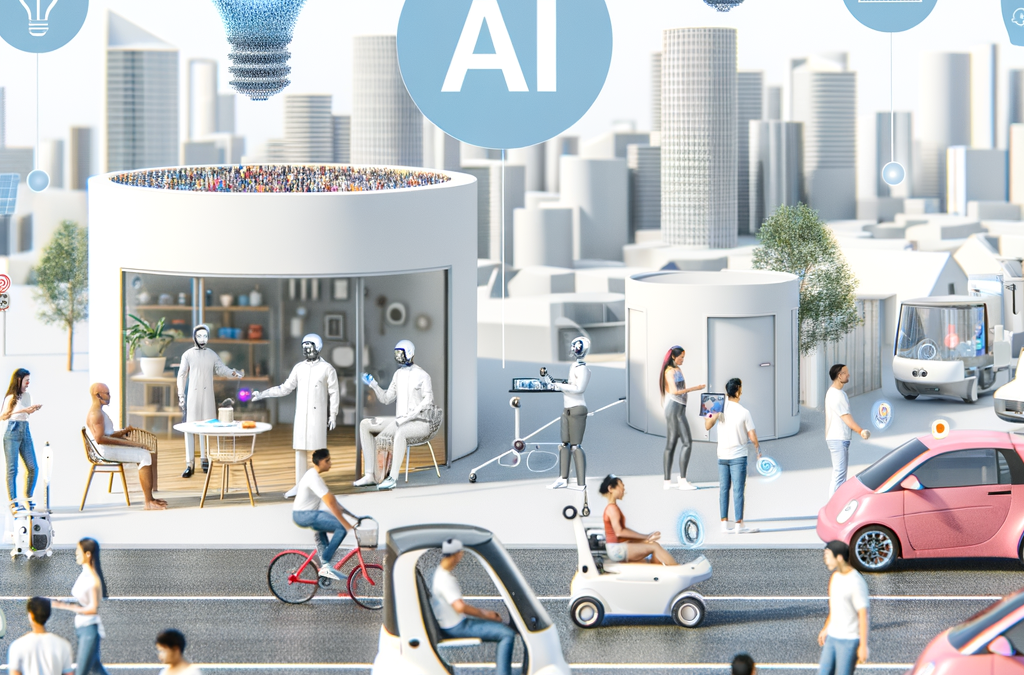
Artificial intelligence (AI) is rapidly transforming all aspects of our daily lives. From the way we work to how we interact with technology, AI is redefining our expectations and challenging established norms. In this article, we will explore how artificial intelligence is evolving and what this means for the future of humanity.
The impact of artificial intelligence on the industry
The most significant technological revolution in recent decades has been the rise of artificial intelligence across various industries. **AI-driven automation is transforming the labor landscape**, enabling companies to enhance efficiency and reduce costs. For instance, in manufacturing, intelligent robots can operate 24/7, which decreases reliance on human labor and accelerates production times. Furthermore, artificial intelligence is also optimizing the supply chain by forecasting demand and managing inventories more effectively.
However, the integration of AI into the workplace has raised concerns about the future of employment. **It is estimated that millions of jobs could be automated in the coming decades**, which poses significant social and economic challenges. Nevertheless, experts also predict that new types of jobs will emerge that we cannot yet imagine, driven by the creation and maintenance of intelligent technologies. This transition will require continuously updated education and training, ensuring that the workforce is prepared to adapt to these new opportunities.

Artificial Intelligence in Everyday Life
Artificial intelligence is not only transforming industries; it is also revolutionizing our daily lives. **Many everyday tasks, such as how we access information or communicate, are being enhanced with the help of AI**. Virtual assistants like Siri, Alexa, and Google Assistant are becoming increasingly intelligent, making tasks such as answering questions, managing schedules, or controlling devices in our homes easier.

Moreover, AI is playing a crucial role in the personalization of services and content. Streaming platforms like Netflix and Spotify use advanced algorithms to provide personalized recommendations based on each user’s consumption habits. This level of personalization not only enhances the user experience but also increases engagement with the platforms.
**Artificial intelligence in the field of health is also making significant differences**. AI-based technologies are enhancing disease diagnosis, enabling remote patient monitoring, and facilitating the development of personalized treatments. These advancements promise to improve the quality of life for millions of people and significantly reduce costs in the healthcare sector.
As we can see, artificial intelligence has the potential to revolutionize the world as we know it. Although it presents significant challenges, **the possibilities for innovation and improvement are limitless**. Industries, governments, and societies must work together to ensure that this transformation is managed ethically and responsibly, always prioritizing the well-being of humanity.