
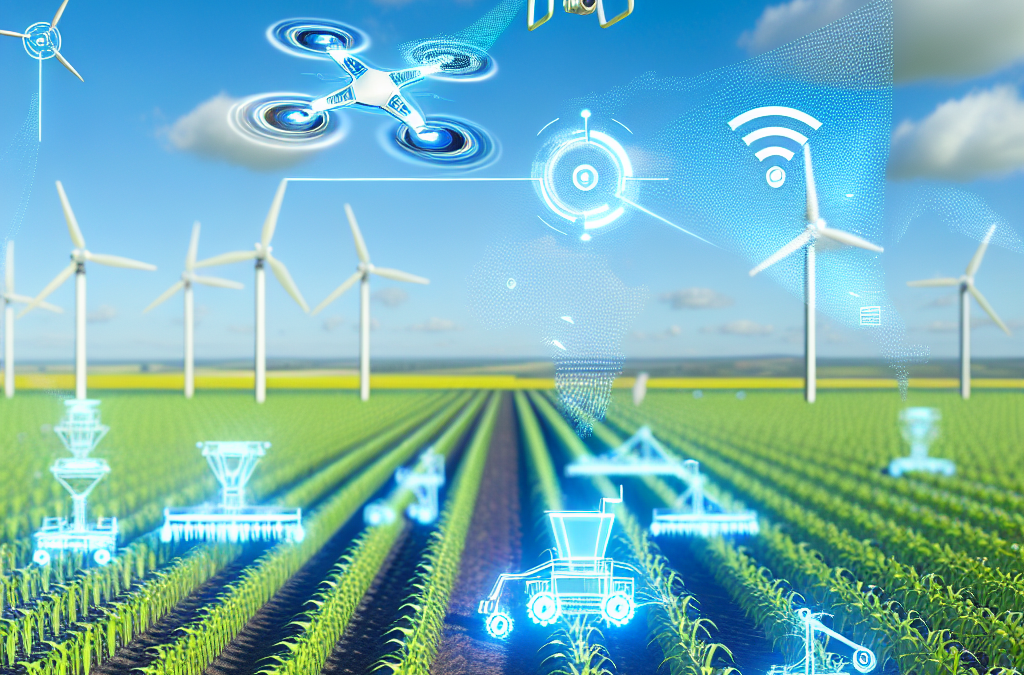
The revolution of artificial intelligence has led to remarkable advancements, particularly in the field of smart agriculture. The integration of technologies such as the Internet of Things (IoT), web services, and cloud analytics is reshaping the way we understand efficiency and sustainability in agricultural production, enhancing productivity while minimizing environmental impact.
Smart Agriculture: The Role of IoT and AI-Driven Automation
Smart agriculture has established itself as a viable solution to address the challenges of agricultural production in the 21st century. The core of this transformation lies in the Internet of Things (IoT), which enables the efficient interconnection of devices for remote monitoring and real-time resource management. Web services facilitate the collection and sharing of data, allowing farmers to access critical information for decision-making.
A clear example of this is the use of wireless sensor networks that collect data such as soil moisture, air quality, and weather conditions. This data is transmitted to cloud analytics systems where it is processed and analyzed using deep learning algorithms and image processing. This way, farmers can receive accurate and personalized recommendations, optimizing crop growth and maximizing yields. This AI-driven automation minimizes the need for direct human intervention, freeing up time and reducing the margin of error.
Optimization of resources and sustainable management through technology
The improvement of efficiency and productivity in agriculture also entails a renewed focus on the sustainable management of resources. Cloud-based analysis systems assess the use of water, fertilizers, and other inputs, reducing waste through precise resource management strategies. By maintaining thorough control over each phase of the crop, a significant reduction in environmental impact is achieved, preserving ecosystems and promoting more environmentally friendly agricultural practices.
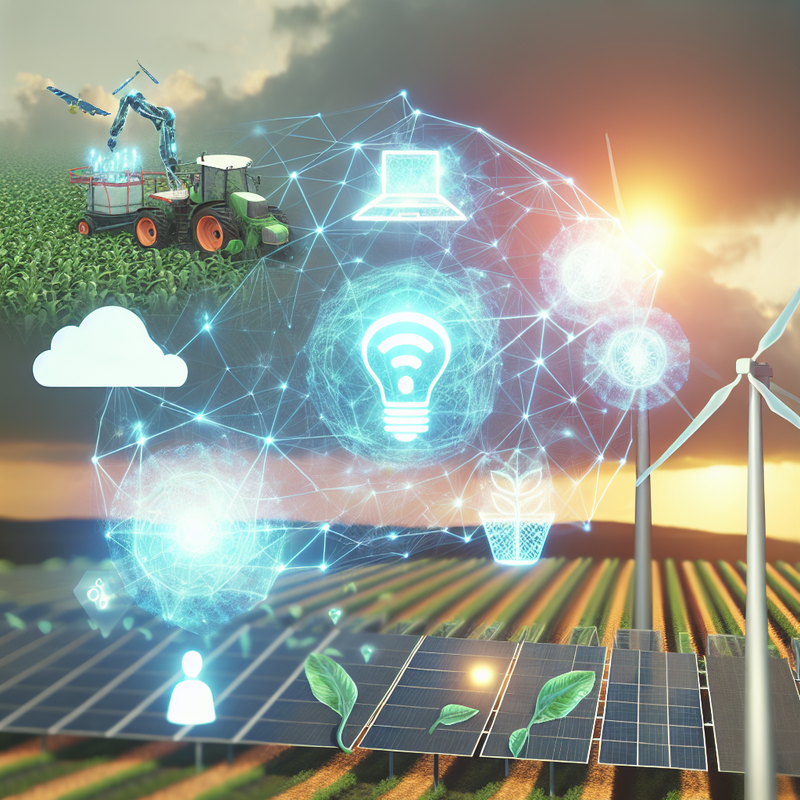
Another crucial aspect is the integration of 5G connectivity, which enables faster and more reliable communications between devices spread across large agricultural areas. This facilitates the thorough monitoring of crops, from their initial growth to the harvest stage, and also optimizes the supply chain control and inventory management, ensuring freshness and quality in the distributed products. However, this technological implementation requires technical expertise and robust approaches to ensure the security and privacy of data, protecting sensitive information from agricultural operations.
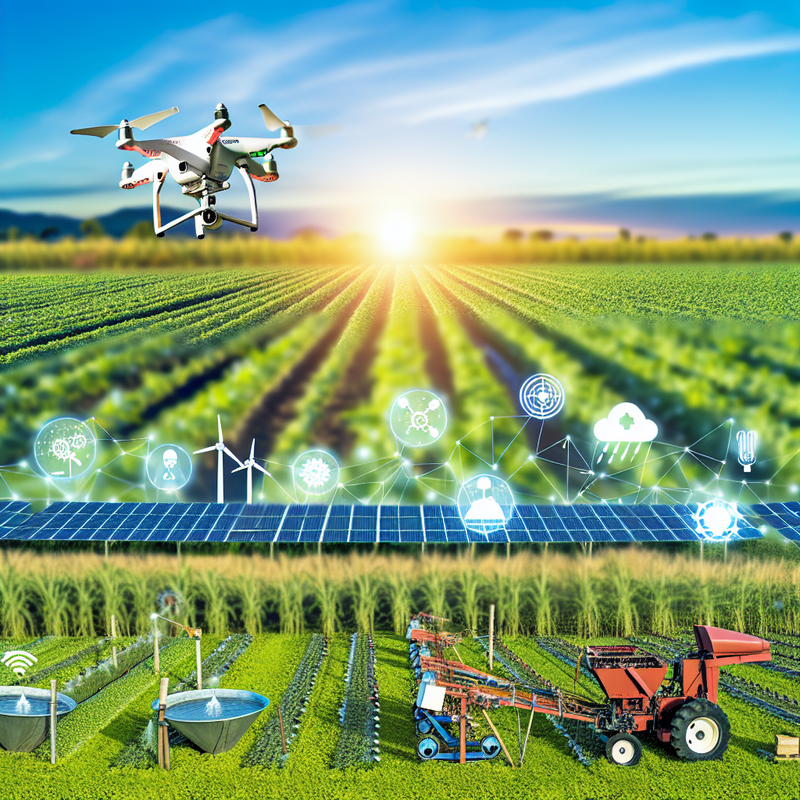
The technology applied to agriculture not only enhances crop efficiency but also significantly contributes to environmental sustainability.
The advancement of artificial intelligence in agriculture, through IoT and automation, is revolutionizing the productivity and sustainability of the sector. This shift, driven by infrastructures such as 5G and cloud analytics, is redefining resource management, data security, and environmental preservation, projecting a more efficient and conscious future for global agriculture.