
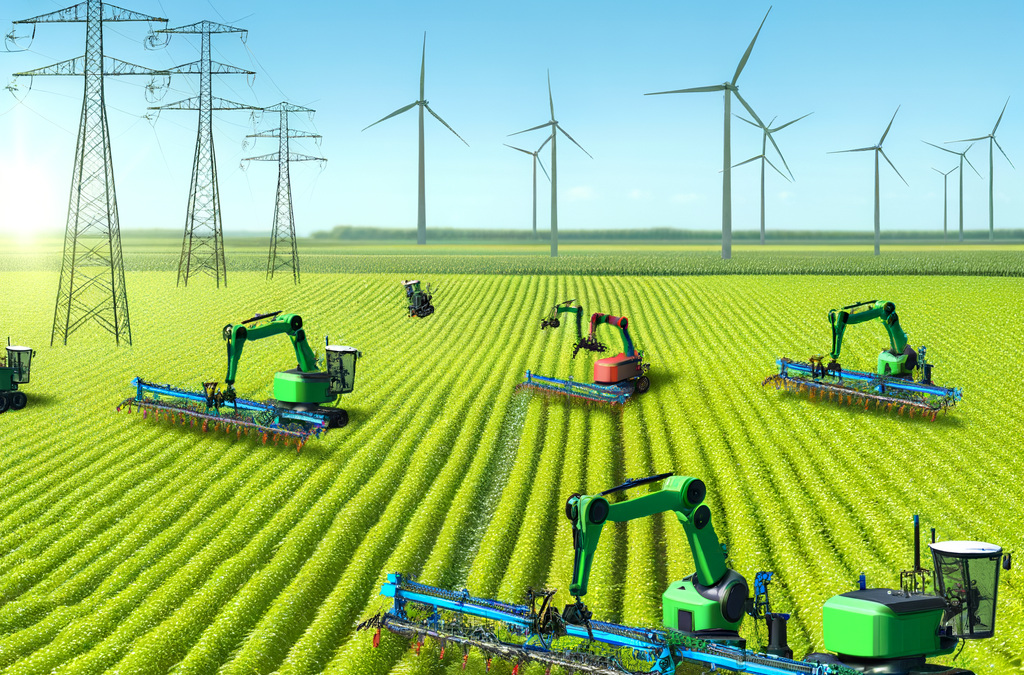
The integration of **artificial intelligence** in the field of **agriculture** is revolutionizing the way we manage **crops**. Through the use of **data** and advanced technology, such as **IoT** and **drones**, critical processes have been optimized in response to **climate change**. This article explores how these innovations are transforming **precision agriculture** and the efficient management of **resources**.
The Efficiency/”>Revolution of Precision Agriculture
Precision **agriculture** has revolutionized crop management by providing techniques based on precise and specific **data** from the land. Through **monitoring** systems, farmers can access real-time information about the status of their **crops**, enabling more informed decisions regarding **irrigation**, **fertilization**, and pest management. Equipment such as advanced **cameras** and **drones** play a crucial role in this transformation, providing detailed images of the field that allow for early **detection** of potential issues, such as the presence of pests or diseases in **citrus** and other **fruits**.
These technologies, complemented by **humidity** and **temperature** **sensors**, enable an **optimization** in the application of inputs, thereby reducing **waste** and improving the **efficiency** of resource use. Additionally, **solar energy** and automation systems integrated into **IoT** not only **optimize** energy consumption but also reduce the carbon footprint of agricultural operations. The algorithm behind these processes analyzes large amounts of data to accurately predict the optimal time to **water** or **fertilize**, ensuring that each plant receives exactly what it needs.
Innovative Strategies for the Prevention of Agricultural Issues
One of the significant advantages of applying **artificial intelligence** in agriculture is the **early detection** of **pests** and diseases. By utilizing **sensors** and **drones**, a constant **monitoring** of crops is conducted, which, along with **artificial intelligence** algorithms, allows for the prediction of problems in advance. This not only gives farmers the necessary time to implement **preventive** measures but also reduces the reliance on aggressive chemical solutions.
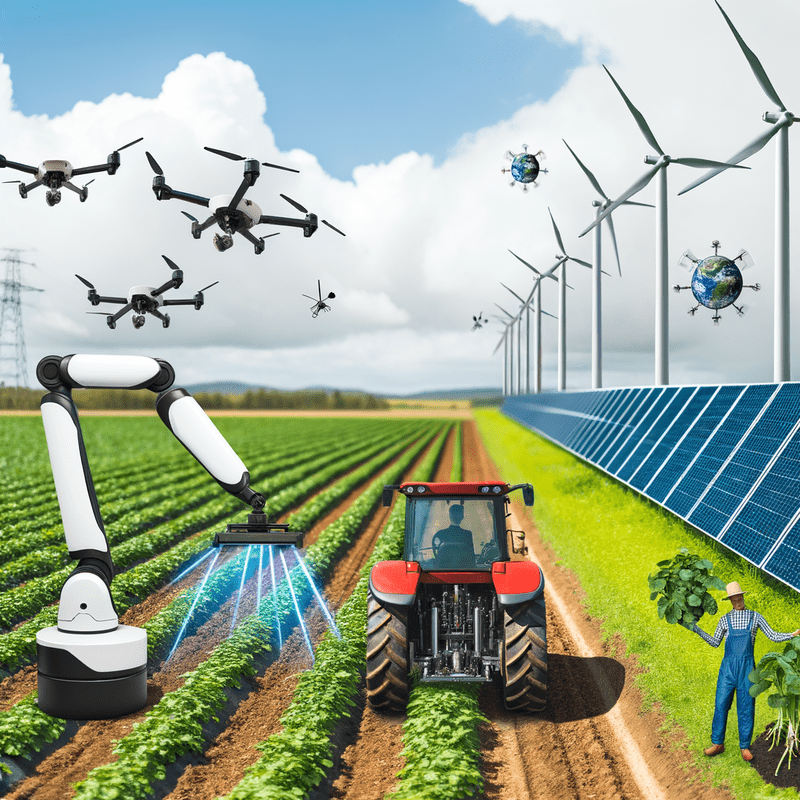
In the cultivation of **citrus**, for example, **artificial intelligence** is used to develop a **control system** that analyzes the optimal **humidity** and **temperature** to prevent diseases such as the fungus that affects the fruit. Thus, through the **automation** of irrigation and fertilization, crops are protected against climate fluctuations and the performance of the agricultural system is optimized. This approach is not only more sustainable but also results in superior **efficiency** in the use of **water** and nutrient **resources**, especially during **drought** periods.
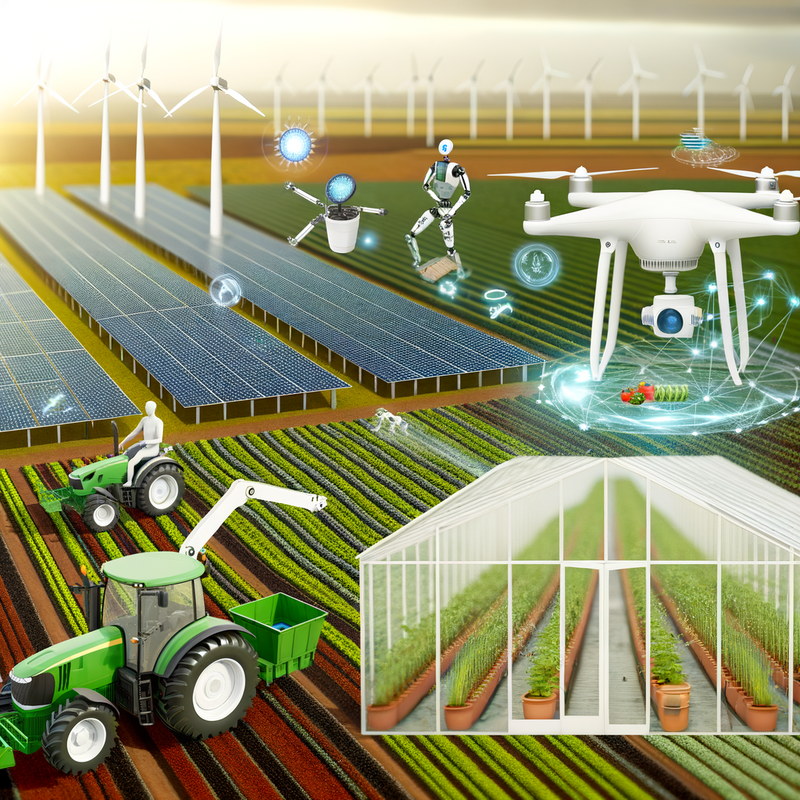
Through the use of **artificial intelligence** and innovative technologies, **precision agriculture** optimizes the management of **resources** and enhances resilience against **climate change**. These practices, utilizing **advanced control systems**, not only enhance the **efficiency** and **optimization** of crops but also contribute to a more sustainable environment for future generations.