

The smart waste management is revolutionizing the handling of municipal and industrial waste, thanks to the integration of artificial intelligence (AI) and the Internet of Things (IoT). This article explores how these emerging technologies enhance efficiency through route optimization, dynamic scheduling, and AI-driven demand forecasting, all aimed at achieving a more sustainable future.
Route Optimization and Dynamic Scheduling in Waste Management
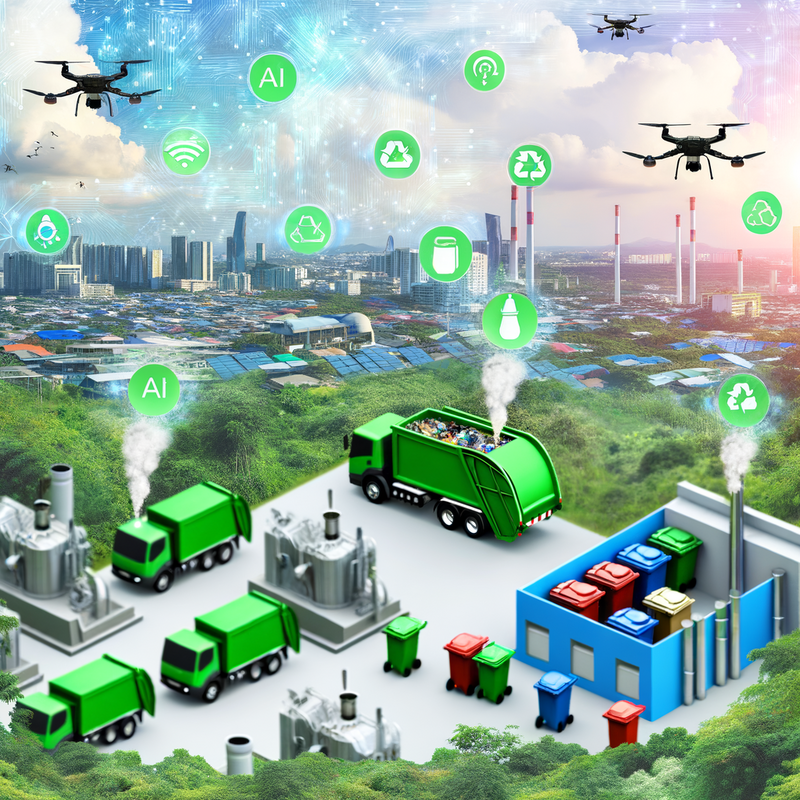
The smart waste management system is built on the foundation of route optimization and dynamic scheduling, which are essential for increasing efficiency and reducing operational costs. By leveraging artificial intelligence, waste collection routes can be optimized in real-time, taking into account dynamic variables such as traffic, weather, and the current fill levels of containers. This optimization not only reduces fuel consumption and greenhouse gas emissions but also streamlines the collection process, ensuring that resources are used efficiently.
Additionally, dynamic scheduling allows for the immediate adjustment of collection times in response to sudden changes in demand. By utilizing IoT and smart sensors, systems can continuously monitor waste levels in containers distributed throughout the city, triggering alarms when they reach their optimal capacity for collection. This technology-driven data collection provides real-time information to guide decision-making and mitigate waste storage issues before they escalate into crises.
AI-Driven Demand Forecasting and Its Contribution to Sustainability
The AI-driven demand forecasting is another crucial aspect of transforming waste management into a more sustainable model. By analyzing historical waste generation patterns, machine learning can predict the expected amount of waste in specific areas, allowing managers to better plan the necessary routes and resources. This not only alleviates pressure on existing infrastructures but also supports sustainability initiatives by reducing uncollected waste and environmental pollution.
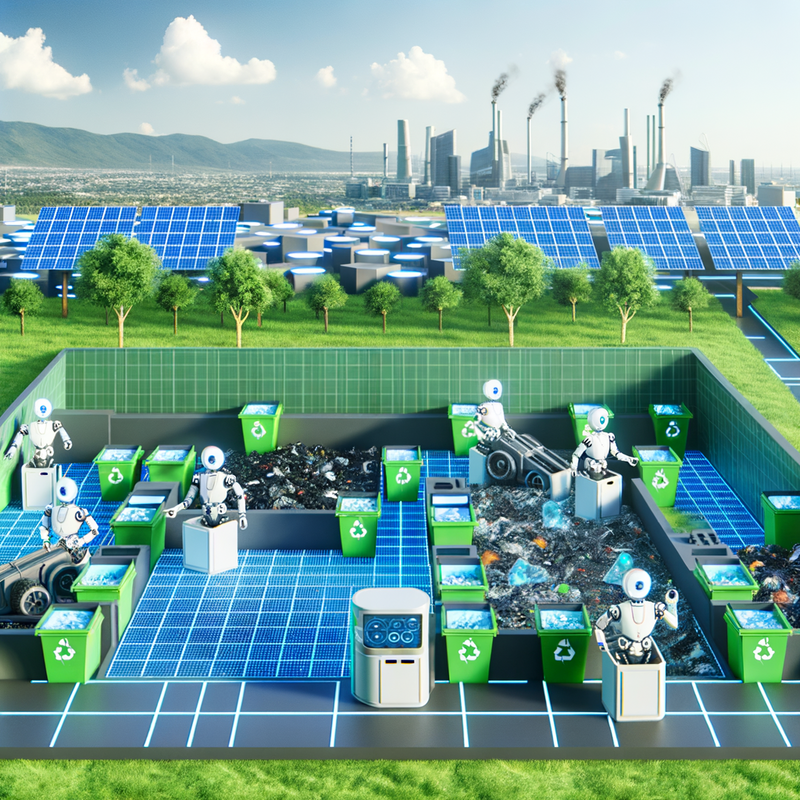
Recycling, as a vital part of this comprehensive approach, greatly benefits from these technological advancements. The machine-driven waste sorting employs computer vision techniques to identify recyclable materials with greater accuracy and less human intervention, thereby improving recycling rates and the purity of recovered materials. This use of artificial intelligence is not only more cost-effective, but also maximizes resource reuse, aligning with the pillars of a circular economy.
However, the implementation of these innovative technologies requires addressing serious ethical considerations and privacy measures. The collection and analysis of massive data raises questions about the use and protection of sensitive information, making it essential to establish collaborative frameworks that include all relevant stakeholders. This is where political initiatives play a crucial role in setting standards and regulations that balance the need for innovation with the obligation to protect citizens’ privacy.
It is also essential that the transition to an intelligent waste management system is inclusive. This means that in addition to focusing on technological efficiency, policymakers and stakeholders must ensure that the benefits of these technologies are distributed equitably among all communities, especially those that have been historically underserved.
The advancement in smart waste management, leveraging artificial intelligence and IoT, is reconfiguring traditional practices towards more sustainable and efficient methods. With technologies that optimize routes and predict demands, greater environmental responsibility is promoted without sacrificing profitability, always within an ethical framework and with respect for privacy.
How This Works in Practice
Implementing a smart waste management system involves a series of structured steps that require careful planning and collaboration among various stakeholders. The first step is to conduct a thorough assessment of the existing waste management infrastructure, identifying current challenges and areas for improvement. This assessment should include a review of waste collection routes, container placements, and the technologies currently in use.
Once the assessment is complete, the next step is to establish the necessary technology framework. This includes installing IoT sensors in waste containers to monitor fill levels and integrating AI software for data analysis. Collaborating with technology providers is essential at this stage to ensure that the selected solutions align with the specific needs of the municipality or organization.
Training staff on the new technologies and systems is also critical. Personnel involved in waste collection and management must understand how to interpret data from IoT sensors and utilize AI-driven insights effectively. This training should be ongoing to keep up with technological advancements and ensure that the team is well-equipped to handle any issues that may arise.
The implementation phase also involves setting up a communication network that enables real-time data sharing among all stakeholders. This network facilitates dynamic scheduling and route optimization by providing up-to-date information on waste levels and collection schedules. Regular meetings among stakeholders, including municipal leaders, waste management companies, and community representatives, can help maintain alignment and address any emerging challenges.
Finally, it is important to monitor the system’s performance continuously. Establishing key performance indicators (KPIs) related to efficiency, cost savings, and environmental impact can provide insights into the system’s effectiveness. Periodic evaluations will help identify areas for further improvement and ensure that the smart waste management system remains responsive to community needs.
What to Watch Out For
While the integration of AI and IoT in waste management offers numerous benefits, there are limitations and potential pitfalls to consider. One significant challenge is the initial investment required for technology implementation. Upgrading existing systems and training personnel can be costly, and budget constraints may hinder the ability to adopt these innovations fully.
Another common mistake is underestimating the complexity of data management. The success of smart waste management relies heavily on the quality and accuracy of collected data. Inadequate data collection or misinterpretation can lead to ineffective route optimization and scheduling, ultimately negating the benefits of the technology.
Moreover, there is the risk of technological dependence. Relying solely on automated systems can diminish human oversight, potentially resulting in missed opportunities for on-the-ground assessments or community engagement. It is crucial to strike a balance between technology and human intervention to ensure that the system remains adaptable and responsive to changing circumstances.
Finally, privacy concerns surrounding data collection must be addressed. Stakeholders should be aware of the ethical implications of monitoring waste levels, as this data can reveal personal habits and behaviors. Establishing clear data governance policies that prioritize citizen privacy while promoting transparency can help mitigate these concerns.
Frequently Asked Questions
Q: What is the role of IoT in smart waste management?
A: IoT devices, such as sensors in waste containers, monitor fill levels and provide real-time data to optimize collection routes and schedules, improving operational efficiency.
Q: How can AI improve waste sorting processes?
A: AI utilizes machine learning and computer vision to identify and sort recyclable materials with greater accuracy, reducing reliance on manual sorting and improving recycling rates.
Q: What are the ethical considerations in implementing smart waste management?
A: Ethical considerations include addressing privacy concerns related to data collection and ensuring that the benefits of technology are equitably distributed among all communities.
Q: What are the potential challenges in transitioning to smart waste management?
A: Challenges include the initial investment required for technology, ensuring data accuracy, balancing technology with human oversight, and addressing privacy issues related to data collection.