

In the modern era, artificial intelligence (AI) is transforming the way we organize and manage events. From chatbots to virtual assistants, AI enables more efficient, personalized, and sustainable planning. This article explores how artificial intelligence is revolutionizing the events sector, enhancing the attendee experience and ensuring a significant return on investment (ROI).
The revolution of artificial intelligence in event planning
The adoption of artificial intelligence in event planning is radically transforming how event organizers approach this complex task. Traditionally, the event planning process has been labor-intensive and filled with logistical details, but with the implementation of AI, tasks can be automated, freeing up time and resources for greater creativity and innovative strategies.
One of the main applications of AI in this sector is personalization. Attendees today expect tailored experiences, and this is where AI can truly work wonders. By analyzing large volumes of data, AI-driven platforms can provide personalized content and services that perfectly align with the individual preferences of attendees, from food offerings to music selection.
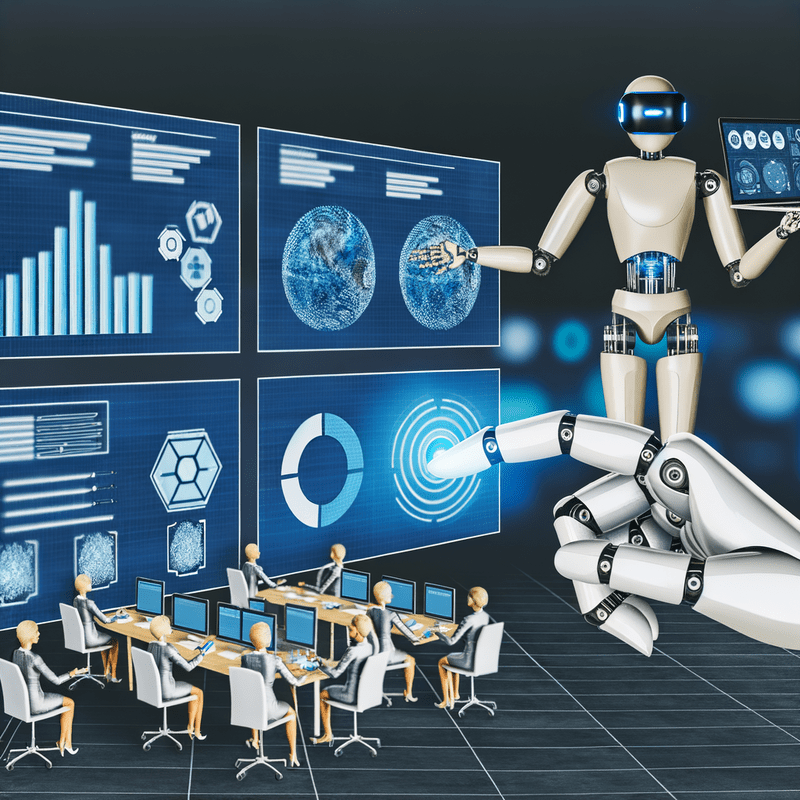
Moreover, virtual assistants and chatbots have proven to be invaluable tools for enhancing the attendee experience. These systems, available 24/7, can answer common questions, providing real-time information, which is crucial for keeping attendees informed and engaged. The ability to deliver instant responses not only improves participant satisfaction but also alleviates the burden on event organizers.
Innovation through data analysis and sustainability
The use of data analytics to enhance the design and execution of events marks another critical application of AI. Thanks to its ability to process data in real-time and utilize predictive analytics, event organizers can anticipate the needs and behaviors of attendees, thereby optimizing every aspect of the event to maximize ROI.
Another important benefit of AI in the events sector is its potential to foster sustainable growth. Intelligent systems can help calculate the exact resource needs, reducing waste and promoting more eco-friendly practices. Additionally, by creating hybrid events—which combine online and in-person elements—it is possible to reach broader audiences without increasing the environmental impact of the event.

However, it is essential to address concerns regarding privacy, GDPR, and data protection when implementing artificial intelligence in event management. Organizers must ensure not only compliance with European GDPR regulations but also the development of robust data protection measures, avoiding security breaches that could compromise attendees’ personal information.
Artificial intelligence is also playing a key role in enhancing networking opportunities at events by recommending connections among attendees based on shared interests and comprehensive profiles generated by artificial intelligence. This ability to facilitate personalized interactions makes networking more efficient and effective.
In summary, artificial intelligence is emerging as a powerful force driving innovation in event organization, enhancing personalization, sustainability, and return on investment. By harnessing the potential of AI, event organizers are positioned not only to meet but to exceed attendees’ expectations, all while maintaining a crucial balance between operational efficiency and the protection of personal data.