
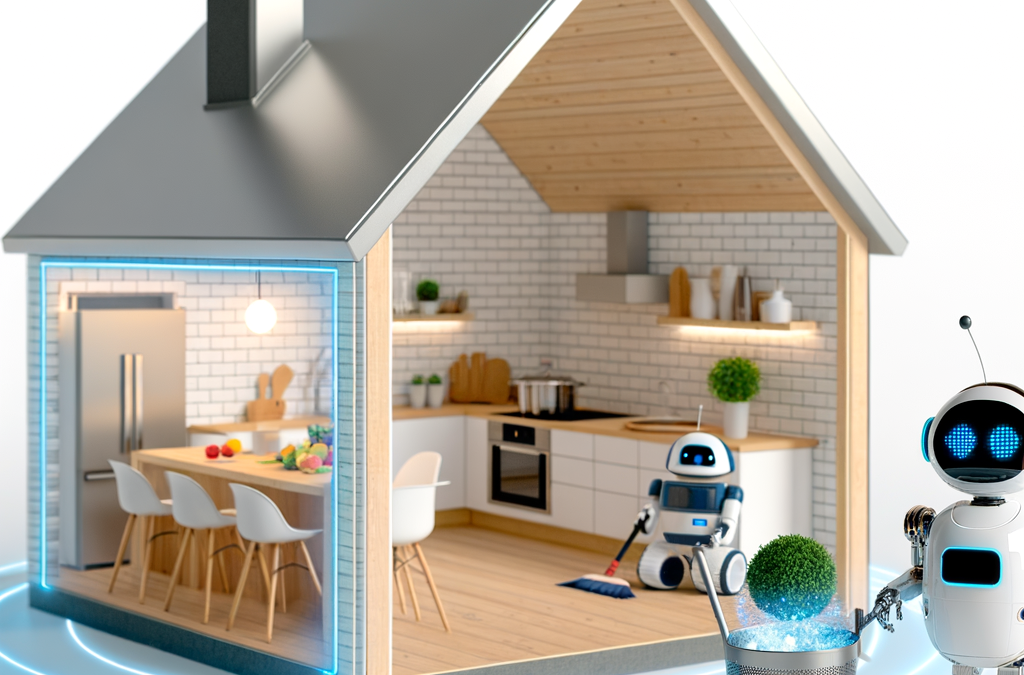
The integration of artificial-intelligence-and-the-ra-rv-transform-the-future/”>artificial-intelligence-revolution-in-health-and-education/”>artificial intelligence at home is redefining the way we carry out daily tasks. With the advancement of smart home robots and intelligent machines, our homes are becoming epicenters of innovation, enhancing quality of life and promoting sustainability. In this article, we will explore the key technologies driving these transformations.
The revolution of domestic robots and their impact on the home
The domestic robots have advanced significantly, and today, they not only vacuum dust or mow the lawn, but they have expanded their service offerings to include pet care, future cooking, and entertainment. These devices, powered by advanced artificial intelligence, are designed to learn from their daily interactions, continuously improving their performance in household tasks. With their learning systems, these robots can adapt to changing needs and adjust to the lifestyle of their users.
Recent innovations have made robots more accessible and multifunctional, increasing their autonomy and energy efficiency. For instance, devices that utilize energy-saving technologies not only reduce electricity consumption but also contribute to a more sustainable approach to home usage. This is reflected in models that aim to minimize waste and optimize resources, providing a more efficient and environmentally friendly user experience.
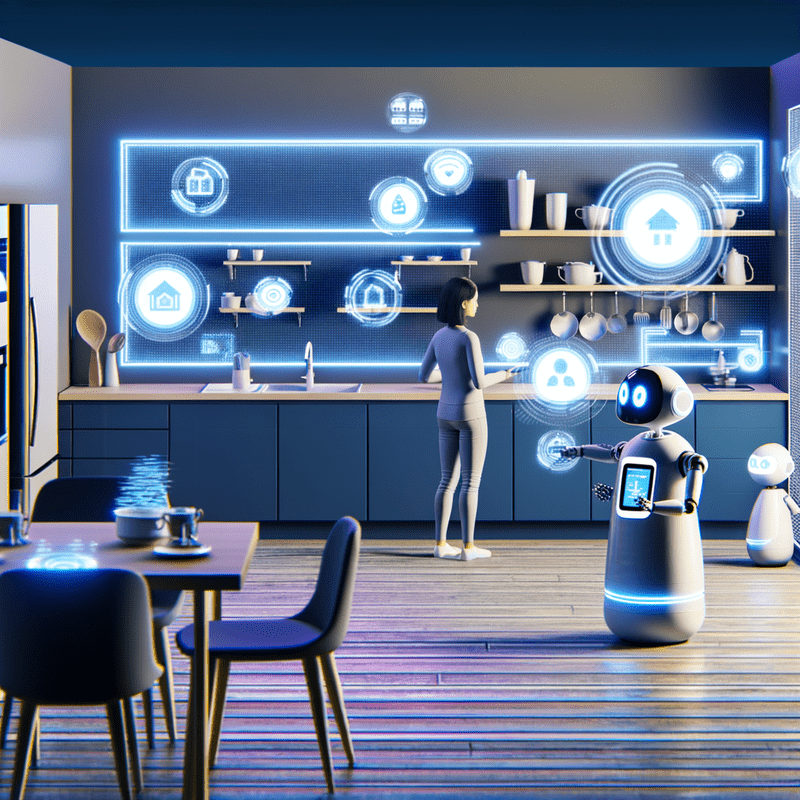
The versatility of these disruptive technologies has also found a place in home office, where virtual assistants facilitate task management, schedule meetings, and channel communications, allowing their users to focus on more complex tasks. Furthermore, the enhanced connectivity of robots and smart assistants has been key to ensuring their compatibility with other systems and smart home devices, expanding their functionality and promoting an interconnected ecosystem.
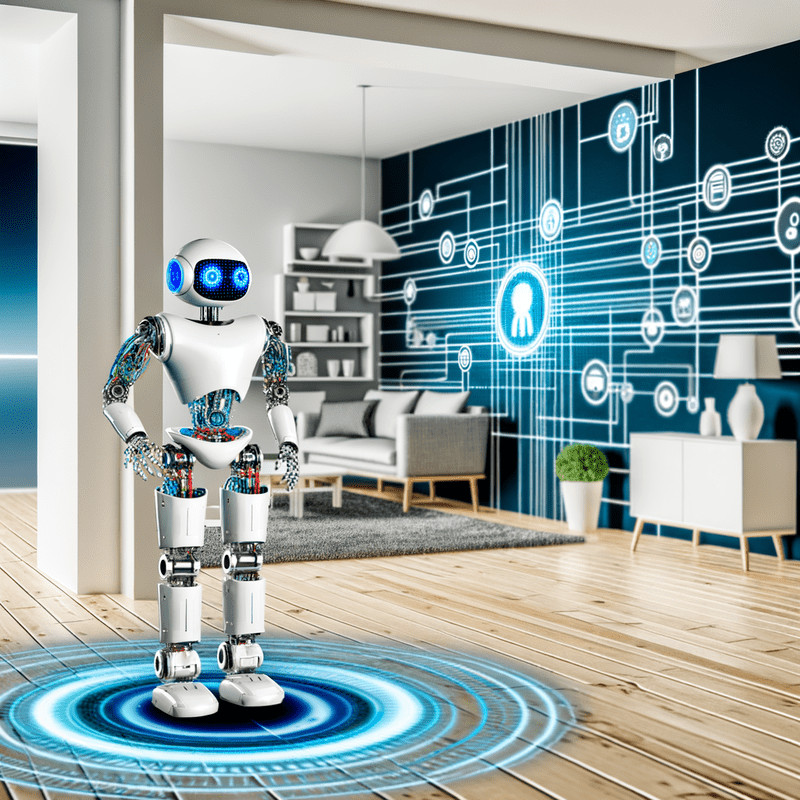
Education, safety, and the future of cooking with artificial intelligence
Beyond the repetitive household tasks, educational robots are revolutionizing education at home. These devices provide children with an enriched learning experience through interactive games and personalized tutoring. With the ability to update educational content and adapt to each user’s learning pace, these robots encourage curiosity and discovery, developing critical skills from an early age.
The introduction of systems based on artificial intelligence also addresses concerns about security and privacy. While some robots are equipped with advanced sensors capable of detecting intrusions, others are designed to protect personal data and ensure that sensitive information is handled securely. However, maintaining a balance between functionality and privacy is crucial, and a proactive approach from users is required to manage their devices and settings securely.
The kitchen of the future is another area where robots are making a significant difference. With the ability to prepare menus based on healthy eating, these systems not only save time but also help improve families’ diets. Equipped with algorithms that can suggest recipes based on dietary restrictions and taste preferences, these kitchen robots bring an unprecedented level of flexibility and adaptability to meal planning.
However, the implementation of these technologies is not without its challenges. The initial cost and maintenance of these devices can be a barrier for some, but the trend suggests that as more households adopt these technologies, there will be a decrease in prices and an improvement in after-sales service.
Finally, continuous software updates ensure that devices not only maintain but also enhance their relevance and efficiency over time. The ability of these robots to adapt to changing needs guarantees that they remain useful and effective, adjusting to the new realities of the modern home.
The integration of artificial intelligence and robotics in the home is transforming our lives on multiple levels, from energy efficiency to education and entertainment. These advancements not only promise a more autonomous and connected future but also highlight the importance of balancing innovation with security and privacy in our most intimate spaces.