
The intersection of art and artificial intelligence has led to remarkable innovations that are redefining the creative world. Exploring the capabilities of generative AI, tools like Adobe Firefly, and advanced technologies such as neural networks and diffusion models immerses us in a universe where technology and art merge to create unique images, illustrations, and effects that previously existed only in the imagination.
The role of artificial intelligence in the creation of art
In recent years, artificial intelligence has made a significant impact in the field of art, becoming an essential tool for artists and designers. Thanks to advancements in generative AI, it is now possible for anyone to create professional-quality artwork without the need to master traditional illustration or graphic design techniques. Adobe Firefly, for instance, has become an invaluable resource by providing an art generator that allows users to explore new forms of artistic expression.
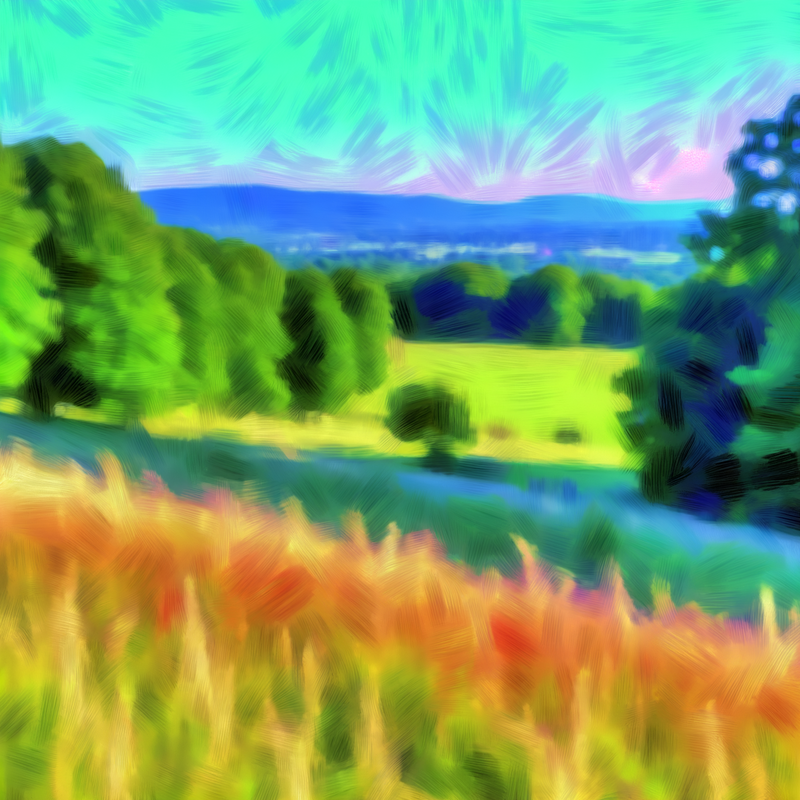 redes neuronales” width=”100%” height=”auto” style=”max-width: 800px;” />
The generative adversarial networks (GANs) have played a fundamental role in this artistic revolution. These networks are designed to produce images that are virtually indistinguishable from those created by humans. By employing a “competition” approach between two neural networks, one generative and the other evaluative, GANs refine their ability to create astonishingly realistic results. This process mirrors the way human artists refine their works through critique and self-analysis.
The convergence of technology and creativity
The impact of artificial intelligence on art is not limited to image synthesis but also extends its reach into areas such as creative coding and language models. These advancements are enabling, for example, the generation of innovative text effects and fractal patterns that add new dimensions to graphic design and illustrations.
Diffusion models, on the other hand, are bringing an unprecedented level of detail to artistic creation. Thanks to these models, it is now possible to create complex illustrations and hyper-realistic patterns in 4K resolutions, allowing images to emerge with exceptional depth and clarity. This technology provides designers and artists with a palette of tools that opens up an infinite spectrum of possibilities, from recreating science fiction scenarios to capturing the enduring beauty of the natural world.
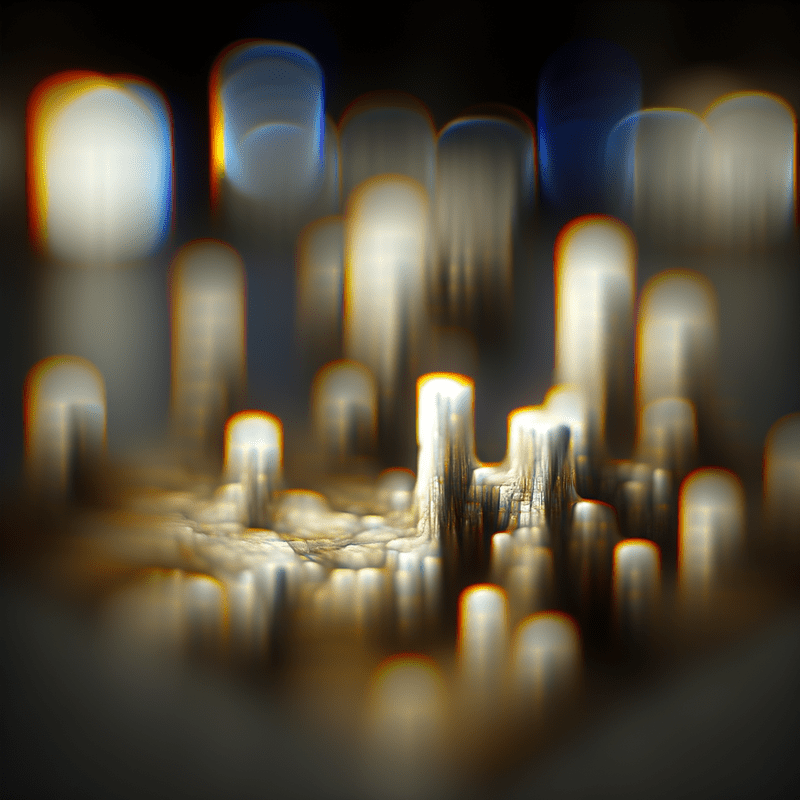
Platforms like Adobe Stock are expanding access to these AI-generated artistic creations. By integrating these high-resolution images into their libraries, Adobe is enabling creatives around the world to explore and utilize these resources in their own projects.
The future of art with artificial intelligence promises a continuous expansion of creative boundaries, driving both imagination and technique. In this context, generative AI establishes itself not only as a tool but as a catalyst for human ingenuity, fostering a new era where the collaboration between man and machine continuously transforms our way of “seeing” and “creating.”
Why Firefly Mattered Commercially, Not Just Artistically
Plenty of image generators arrived at the same time. What made Firefly relevant to businesses rather than hobbyists was the training data question. A marketing team cannot ship a campaign built on a model that may have ingested work it had no right to. Adobe’s positioning around licensed training material and enterprise indemnification addressed a commercial risk, not an aesthetic one.
That distinction still drives tool selection today. The question a company asks is not “which produces the prettiest image” but “which can I use in a paid campaign without a legal review each time”.
Where Generative Image Tools Actually Get Used
- Iteration before commissioning. Producing twenty directions in an afternoon to decide which one deserves a real photoshoot.
- Variation at scale. The same asset resized, recoloured and recomposed for a dozen placements.
- Filling gaps. Backgrounds, textures and secondary elements that would not justify their own budget.
- Internal material. Decks, documentation and mockups where stock imagery was the previous default.
Where They Still Fall Short
- Brand consistency. Generating one good image is easy. Generating forty that look like they came from the same brand is still hard.
- Text inside images. Improved considerably, still not dependable for anything a customer will read closely.
- Specific products. A model cannot render your actual product. For anything where the object is the point, photography still wins.
- Provenance. If you publish AI-generated visuals, transparency obligations may apply — see what the EU AI Act requires, including the machine-readable marking of synthetic content.
Choosing a Tool: The Questions That Matter
- What was it trained on, and does the vendor indemnify commercial use?
- Can it be steered towards your brand, or does every output need heavy editing?
- Does it fit the tools your team already uses, or does it become a separate workflow nobody adopts?
- How is usage priced as volume grows?
The pattern is the same as any other AI purchase: the model quality is rarely the deciding factor. Integration, licensing and governance are.