
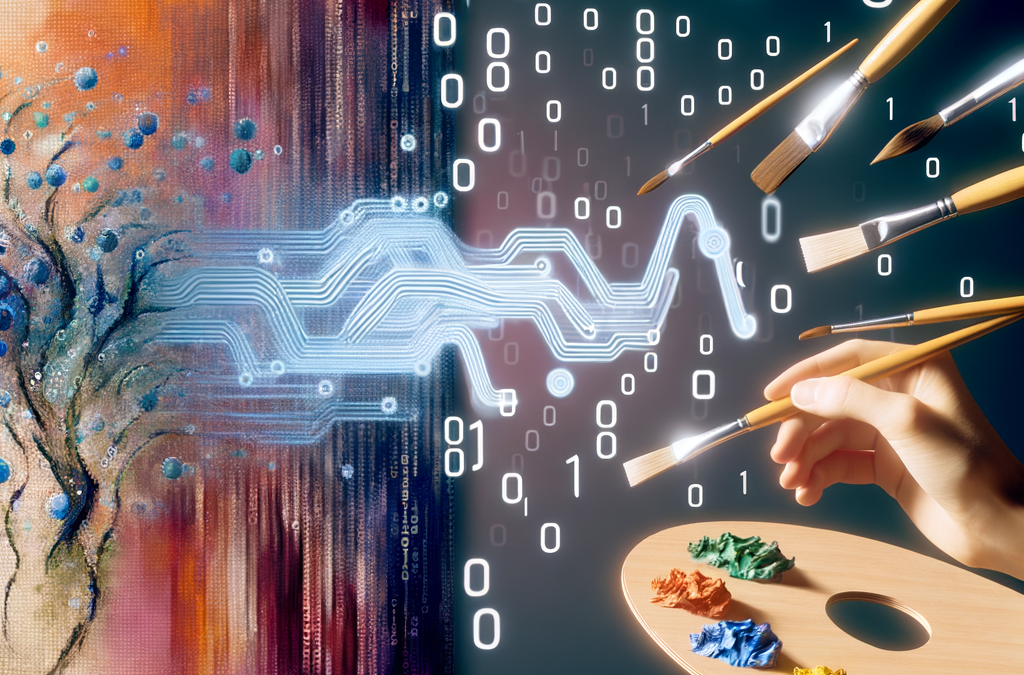
The intersection between artificial intelligence and art has created a new space for exploration for artists and technologists. Through AI tools like OpenAI’s DALL-E, the boundaries of creativity and artistic expression are being redefined. This article explores how algorithms and deep learning are transforming the art market and the meaning behind the creation of surreal images.
The Rise of Artificial Intelligence in Art
The emergence of artificial intelligence in the art world has led to an unprecedented transformation. Advanced algorithms and deep learning techniques have equipped machines with the ability to generate images and artworks that were once the exclusive domain of humans. A notable example of this is DALL-E, the innovative tool from OpenAI that enables the creation of images from textual descriptions.
DALL-E not only produces images; it is a revolutionary example of how AI can interpret human knowledge and transform words into visual art. The ability of this technology to generate surreal and unique images has captured the attention of both seasoned artists and enthusiasts. In the art market, producers of all kinds are experimenting with these technologies, finding new forms of expression, and expanding the horizons of human creativity. This unprecedented access to image generation has made it possible for more people to engage in the artistic process, democratizing art.
 OpenAI DALL-E” width=”100%” height=”auto” style=”max-width: 800px;” />
Redefining Creativity: More than Automation
The impact of AI on the artistic world goes beyond mere automation of creation; it is prompting a reevaluation of what it means to be creative. Algorithms like those used in DALL-E not only automate repetitive tasks but also open up a range of possibilities for exploring creativity from new perspectives. By working in tandem with human artists, these AI tools act as catalysts for creativity, allowing creators to focus their energies on more conceptual aspects and experiment with ideas that may have been impossible to imagine in the past.
AI does not replace human creativity; rather, it amplifies it. While algorithms perform complex data analysis to generate visual proposals, it is human knowledge that evaluates, interprets, and gives meaning to those creations. This collaborative process highlights the importance of the synergy between artificial intelligence and artists, transforming the way we perceive and value art on a global scale.
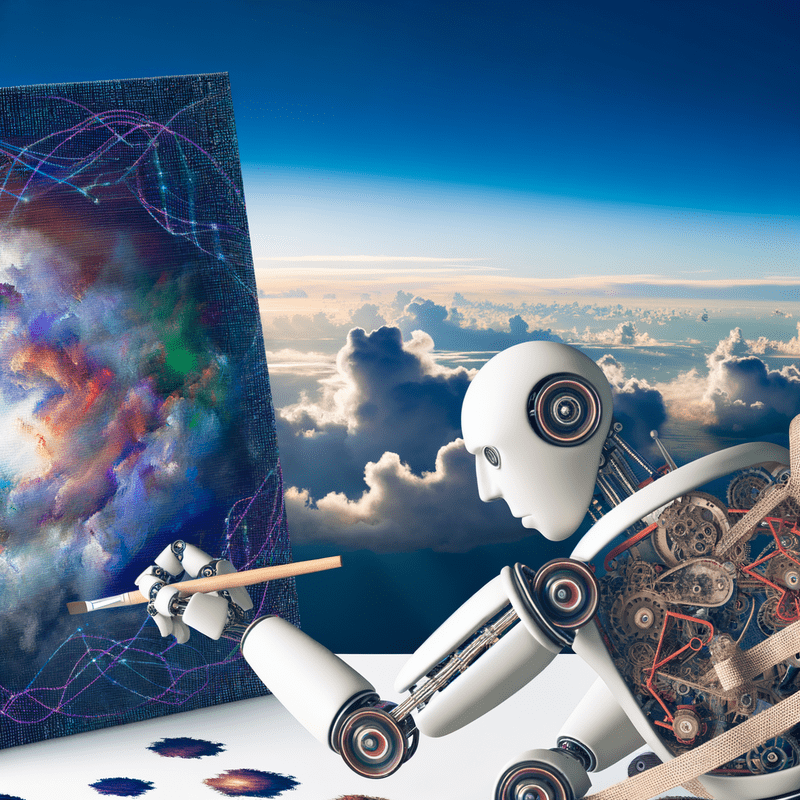
On the other hand, accessibility to these technologies is driving inclusion in art. It is no longer necessary to be an accomplished painter; anyone with an idea and access to AI tools can transform abstract concepts into visual realities. This not only broadens the reach of art but also invites a wide range of voices and perspectives to engage in the artistic discourse.
The future of art is one that harmoniously integrates science, technology, and human expression, continually expanding the boundaries of what can be created.
The fusion of artificial intelligence and art is on the rise, transforming traditional practices and propelling human creativity to new heights. Tools like OpenAI’s DALL-E are redefining how we interpret and generate art, opening up a rich dialogue where technology and creativity converge without limits. The democratization and collaborative future of art promise a bright outlook.