
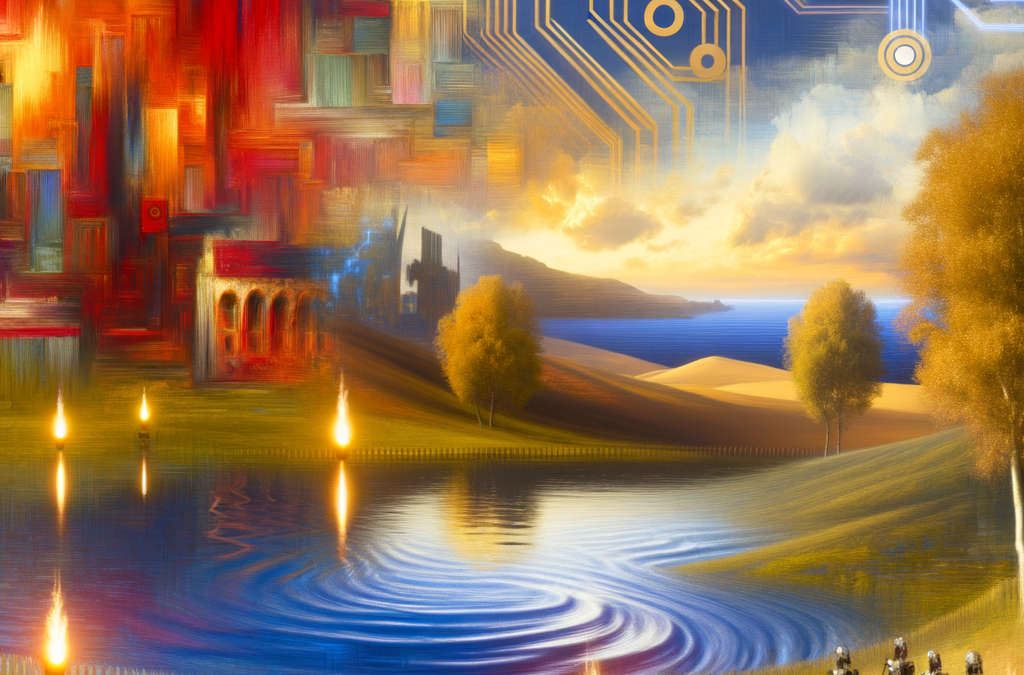
The interaction between artificial intelligence and art has ushered in a new creative era where algorithms produce works that challenge the boundaries of human imagination. This article explores how this partnership redefines creativity, impacts the market through auctions and exhibitions, and addresses questions regarding intellectual property rights in the artistic realm.
The Fusion of Creativity and Algorithms in Artistic Creation
With the advancement of artificial intelligence, art has found a new ally in the use of algorithms for artistic creation. Just a few decades ago, the idea that a machine could create art was mere science fiction. Today, it is not only a reality but is also transforming the way we understand art. Artificial intelligence algorithms can analyze styles, learn from data, and produce works that astonish with their visual and conceptual richness.
The incorporation of technologies such as video art and augmented reality is expanding the traditional boundaries of art. AI-assisted video art enables the creation of dynamic pieces that interact with the viewer, generating a unique sensory and emotional dialogue. On the other hand, augmented reality transforms exhibitions by overlaying digital layers onto the physical world, providing an additional dimension that enriches the interpretation of art.
 Creatividad Algorítmica y Nuevos Desafíos” />
These innovations have led to new forms of art, such as installations and AI-assisted performances, which integrate movement, sound, and visual art. The result is an immersive environment that enhances the artistic experience. However, this fusion of technology and creativity presents significant challenges, particularly regarding intellectual property rights. Who truly owns a piece of art when it is created by an algorithm? This question lies at the heart of debates worldwide.
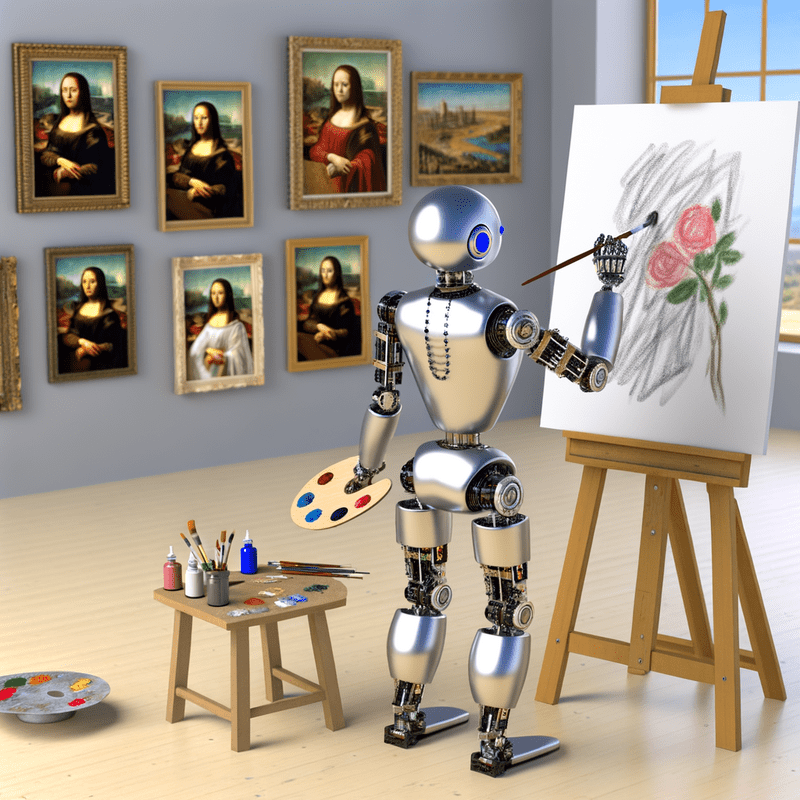
Artificial Intelligence in the Professional Context: Auctions, Exhibitions, and Collecting
The impact of artificial intelligence on art extends beyond creation, significantly influencing the professional context of art, particularly in auctions, exhibitions, and collections. Auction houses are beginning to include AI-generated artworks in their catalogs, attracting both art enthusiasts and collectors interested in technological innovations. These works sometimes reach astonishing figures, reflecting their value as pioneering representations of a new artistic era.
In exhibitions, AI enables a deeper and more direct interaction with the audience. The ability to adapt content in real-time based on viewer reactions makes each visit personalized and unique. This not only enhances the visitor experience but also provides artists with valuable feedback for future works. Furthermore, the collecting of digital art is emerging as a growing trend, with digital platforms facilitating the buying, selling, and authentication of art pieces generated by AI.
AI-generated art has also found a place in funding programs and acquisition awards. Institutions that support contemporary art are beginning to include AI in their selection criteria for artist residencies. This provides artists with the opportunity to work directly with technology experts, fostering innovation in their works through the artist residency.
Finally, the concept of a sponsorship program in the field of artificial intelligence is being redefined. Collaborations between technologists and artists are becoming increasingly common, pointing to a future where support is not only financial but also technical and educational. The acquisition awards for AI-generated artworks not only celebrate innovation but also legitimize and normalize artificial intelligence as a legitimate tool in the realm of art.
The integration of artificial intelligence in art is revolutionizing the way we conceive and experience creativity. From creation to exhibition and auction, AI is redefining art and presenting new challenges in intellectual property and patronage. It will continue to pave an evolutionary path in the world of contemporary art.
Discover how AI transforms modern art. Explore creativity, auctions, and intellectual property. Who owns the art created by algorithms?