
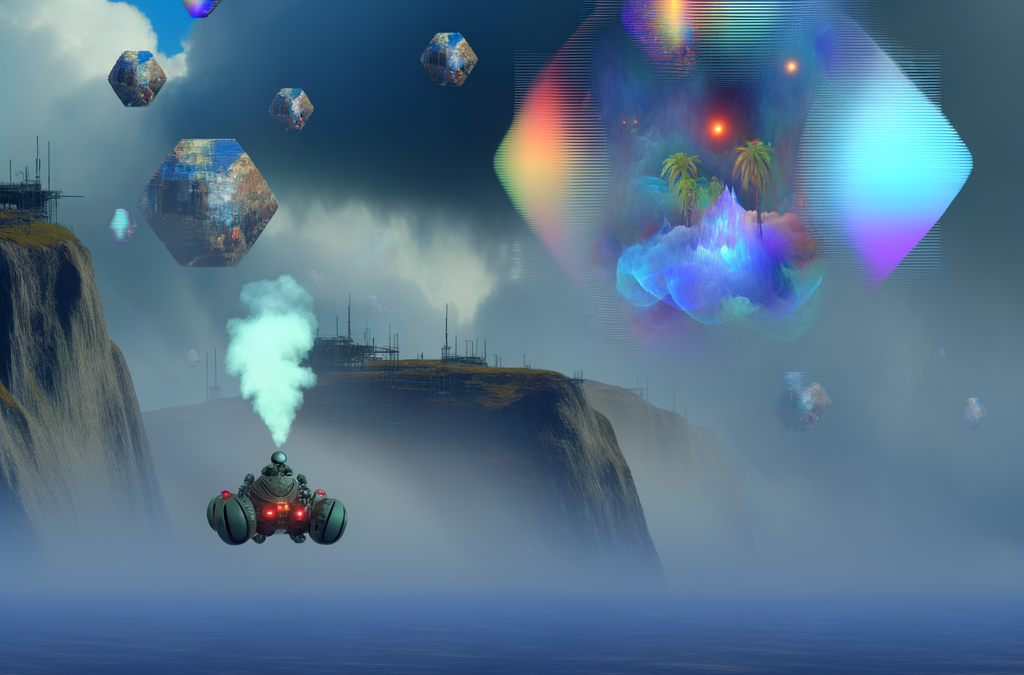
Artificial intelligence (AI) is transforming the world of video games by introducing smarter NPCs and providing more immersive gaming experiences. Through techniques such as procedural generation and advanced language models, dynamic and adaptive environments are created that respond to players’ emotions and actions. This evolution promises to redefine interaction and storytelling in video games.
Innovations in NPCs: From Passive Characters to Strategic Allies
The evolution of artificial intelligence in video games has revolutionized the way we interact with non-playable characters (NPCs). Traditionally, NPCs performed predefined roles limited to static routines, but thanks to advancements in neural networks and language models, we are witnessing a shift towards more realistic and adaptive behaviors. This progress is clearly evident in the implementation of adaptive intelligence, a technique that allows NPCs to learn and adjust their behavior in real-time based on the intentions and emotions of the player. This results in a more personalized and challenging experience, providing allies or adversaries that not only anticipate the player’s moves but also respond strategically.

A notable example of this technology is pathfinding, a technique that has significantly evolved with AI. NPCs can now move more naturally and efficiently through environments, thanks to advanced algorithms that calculate the most optimal and safe route. These characters not only avoid obstacles with greater precision but also exhibit a survival instinct that allows them to modify their decisions based on the changing environment. In real-time strategy games, these advancements are crucial, as AI-controlled units deploy complex tactics, enhancing the nonlinear gaming experience.
The Procedural Generation: Building Dynamic and Unique Worlds
Within the realm of content generation, one of the most impactful innovations is procedural generation. This approach enables developers to create vast worlds and diverse gaming experiences without the need to manually design every element. By utilizing algorithms and deep learning models, levels, missions, and scenarios are created dynamically. This not only saves development time but also ensures that each playthrough is unique, enhancing the replayability of the titles.

Within procedural generation, the generation of dynamic music and sound stands out. The music can adapt to the context of the game, subtly changing during moments of tension or calm, enhancing the immersion in the game. Similarly, level generation creates scenarios that adjust to the dynamic difficulty, modifying complexity based on the player’s performance and emotions. This is combined with Monte Carlo search and decision trees to generate autonomous content that caters to the individual preferences of each player.
Through the use of advanced artificial intelligence, video games are undergoing a revolution that transforms static NPCs into strategic entities and adapts entire worlds to each player’s experience. These innovations are redefining not only how video games are built but also how they are experienced, promising an exciting and highly interactive future in the gaming world.
How This Works in Practice
Implementing advanced AI in video games involves several critical steps that ensure the successful integration of intelligent NPCs and dynamic environments. The process typically begins with a clear design plan that outlines the game mechanics, player interactions, and desired NPC behaviors. This plan serves as a foundation for the development team, which includes game designers, AI specialists, and software engineers.
The next step is to establish the underlying architecture for AI systems. This may involve selecting appropriate algorithms and frameworks for machine learning and procedural generation. For example, developers often utilize reinforcement learning to enable NPCs to learn from player interactions. Additionally, tools for procedural content generation need to be integrated, allowing the game to produce dynamic environments and scenarios.
Once the architecture is in place, the development team can begin creating and training the AI models. This phase includes feeding the models with data that simulate player behaviors, emotions, and strategic decisions. It is crucial to iterate on these models through testing and refinement, ensuring they respond accurately to various player actions.
After training, the AI needs to be embedded into the game. This involves programming the NPCs to utilize the learned behaviors and strategies effectively. Developers must also ensure that the procedural generation algorithms are functioning correctly, allowing for the creation of diverse and engaging game content.
The final step is extensive playtesting, where the game is evaluated for functionality, player engagement, and the overall effectiveness of the AI. Feedback from testers can lead to further refinements, providing a more polished experience upon release. Throughout this process, collaboration among team members is essential, as the integration of AI into gameplay requires a cohesive approach.
What to Watch Out For
While the integration of AI into video games offers exciting possibilities, there are several limitations and trade-offs that developers should consider. One common mistake is over-reliance on AI, which can lead to unbalanced gameplay. If NPCs become too intelligent, they may frustrate players rather than enhance their experience. Striking the right balance between challenge and enjoyment is crucial.
Another challenge is the computational resources required for advanced AI algorithms. Implementing sophisticated AI can lead to higher processing demands, potentially limiting the game’s performance on less powerful devices. Developers must optimize their AI systems to ensure smooth gameplay without sacrificing quality.
Additionally, there is the risk of creating NPCs that lack personality or depth if not designed thoughtfully. Merely making NPCs reactive may result in predictable behaviors, undermining the immersive experience. Developers need to invest time in crafting unique character backstories and motivations to enrich player interactions.
Finally, the implementation of procedural generation can sometimes lead to environments that feel repetitive or lack cohesion. While the goal is to create unique experiences, a lack of careful design can result in a disjointed game world. Developers should aim for a balance between randomness and intentional design to maintain narrative coherence.
Frequently Asked Questions
Q: How do AI-driven NPCs enhance gameplay experience?
A: AI-driven NPCs can adapt to player behavior, providing a more personalized and challenging experience. They can learn from player actions and emotions, creating dynamic interactions that make each encounter feel unique and engaging.
Q: What are the main challenges in implementing procedural generation?
A: The main challenges include ensuring that generated content feels cohesive and balanced, avoiding repetitive scenarios, and managing the computational resources required for real-time generation. Developers must carefully design algorithms to create engaging environments without sacrificing quality.
Q: Can AI negatively impact game balance?
A: Yes, if NPCs are too intelligent or reactive, they can create an unfair advantage or frustration for players. It’s essential to find a balance that keeps gameplay challenging yet enjoyable, allowing players to feel competent while still facing obstacles.
Q: What role does playtesting play in the development of AI in games?
A: Playtesting is crucial as it allows developers to evaluate the effectiveness of AI behaviors and procedural generation. Feedback from testers helps refine AI interactions and ensure that the game delivers an engaging experience for players.