
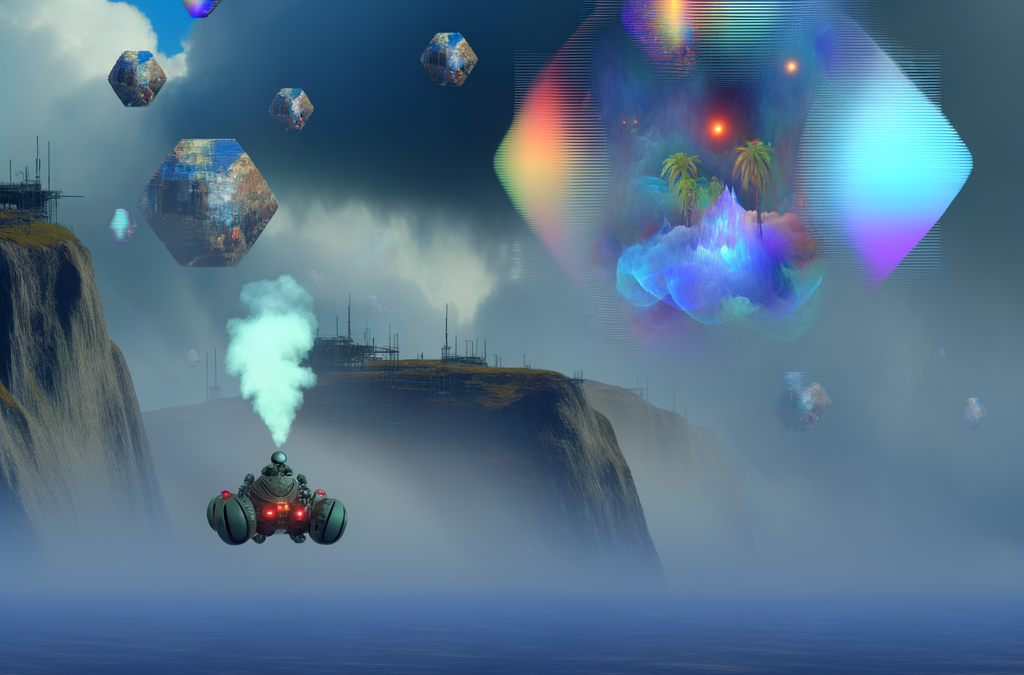
Artificial intelligence (AI) is transforming the world of video games by introducing smarter NPCs and providing more immersive gaming experiences. Through techniques such as procedural generation and advanced language models, dynamic and adaptive environments are created that respond to players’ emotions and actions. This evolution promises to redefine interaction and storytelling in video games.
Innovations in NPCs: From Passive Characters to Strategic Allies
The evolution of artificial intelligence in video games has revolutionized the way we interact with non-playable characters (NPCs). Traditionally, NPCs performed predefined roles limited to static routines, but thanks to advancements in neural networks and language models, we are witnessing a shift towards more realistic and adaptive behaviors. This progress is clearly evident in the implementation of adaptive intelligence, a technique that allows NPCs to learn and adjust their behavior in real-time based on the intentions and emotions of the player. This results in a more personalized and challenging experience, providing allies or adversaries that not only anticipate the player’s moves but also respond strategically.

A notable example of this technology is pathfinding, a technique that has significantly evolved with AI. NPCs can now move more naturally and efficiently through environments, thanks to advanced algorithms that calculate the most optimal and safe route. These characters not only avoid obstacles with greater precision but also exhibit a survival instinct that allows them to modify their decisions based on the changing environment. In real-time strategy games, these advancements are crucial, as AI-controlled units deploy complex tactics, enhancing the nonlinear gaming experience.
The Procedural Generation: Building Dynamic and Unique Worlds
Within the realm of content generation, one of the most impactful innovations is procedural generation. This approach enables developers to create vast worlds and diverse gaming experiences without the need to manually design every element. By utilizing algorithms and deep learning models, levels, missions, and scenarios are created dynamically. This not only saves development time but also ensures that each playthrough is unique, enhancing the replayability of the titles.

Within procedural generation, the generation of dynamic music and sound stands out. The music can adapt to the context of the game, subtly changing during moments of tension or calm, enhancing the immersion in the game. Similarly, level generation creates scenarios that adjust to the dynamic difficulty, modifying complexity based on the player’s performance and emotions. This is combined with Monte Carlo search and decision trees to generate autonomous content that caters to the individual preferences of each player.
Through the use of advanced artificial intelligence, video games are undergoing a revolution that transforms static NPCs into strategic entities and adapts entire worlds to each player’s experience. These innovations are redefining not only how video games are built but also how they are experienced, promising an exciting and highly interactive future in the gaming world.