
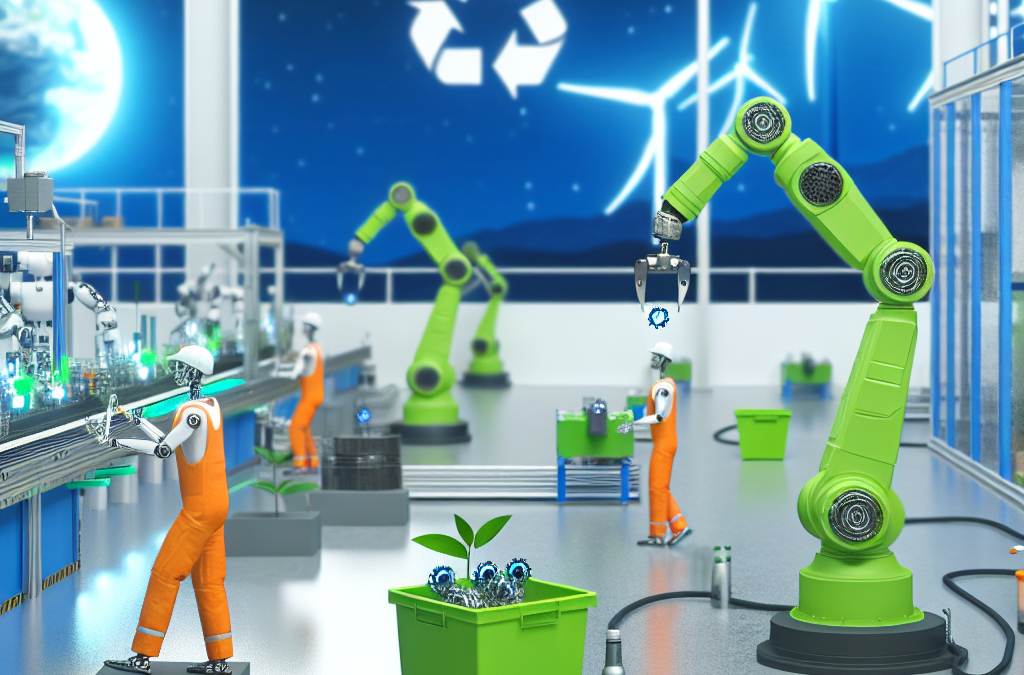
In the era of Industry 4.0, the integration of artificial intelligence into manufacturing processes is transforming how industries operate, from supply chain management to flexible production and customized manufacturing. This article explores how AI and its complementary technologies such as machine learning and computer vision are revolutionizing modern manufacturing.
The AI Revolution in Manufacturing
The arrival of artificial intelligence in manufacturing represents a crucial paradigm shift. Production environments are evolving towards smart factories, where automation and connectivity play a central role. Platforms driven by machine learning and predictive algorithms are optimizing inventory management and production planning, enabling an unprecedented level of adaptability.
Advancements in computer vision have enabled significant improvements in quality control. Machines with AI are capable of detecting defects with a precision that surpasses human ability, ensuring that only high-quality products reach the market. Furthermore, cobots, or collaborative robots, are redesigning the workplace by taking on repetitive and hazardous tasks, allowing human workers to focus on higher value-added activities.

Predictive maintenance is another area transformed by artificial intelligence. Industrial equipment can now predict failures before they occur, thanks to predictive models that analyze data in real time. This not only results in greater operational efficiency, but also minimizes operational risks and significantly reduces unplanned downtime, supporting the continuity of operations.

Innovación, Sustentabilidad y Ventaja Competitiva
The techniques of generative AI and generative design enable companies to innovate in their production processes. These tools create new shapes and structures that were previously unimaginable, promoting the development of lighter and more efficient products. The integration of digital twins now allows for the simulation and optimization of manufacturing processes before implementation, ensuring that practices are sustainable and energy-efficient.
AI is also playing a crucial role in energy management and sustainability. By optimizing energy and resource consumption within factories, companies can reduce their carbon footprint and move towards a more eco-friendly production model. These factors not only meet sustainability standards but also provide a crucial competitive advantage in an increasingly environmentally conscious market.
The automotive industry, the pharmaceutical industry, and the aerospace industry are already reporting significant benefits from the adoption of AI. From document search and summarization to product and spare parts search, artificial intelligence is redefining how these industries manage their operations, reducing costs, improving efficiency, and enhancing their ability to make informed decisions.
AI is also key to addressing the skills shortage in the workforce. Through workforce management, AI tools analyze work cycles, optimize shifts, and enhance change management and training, ensuring that factories operate efficiently, even in the context of a reduced availability of specific skills.
Finally, the concern for cybersecurity and operational risks has led to the implementation of advanced AI systems that protect critical infrastructures. These systems analyze patterns and proactively detect threats, ensuring that daily operations are not compromised by potential cyberattacks.
Artificial intelligence is transforming modern manufacturing, fostering innovation and sustainability while providing a competitive edge. With applications ranging from quality control to energy management, AI is essential for achieving more efficient and flexible production, enabling industries to thrive in an increasingly demanding environment.