
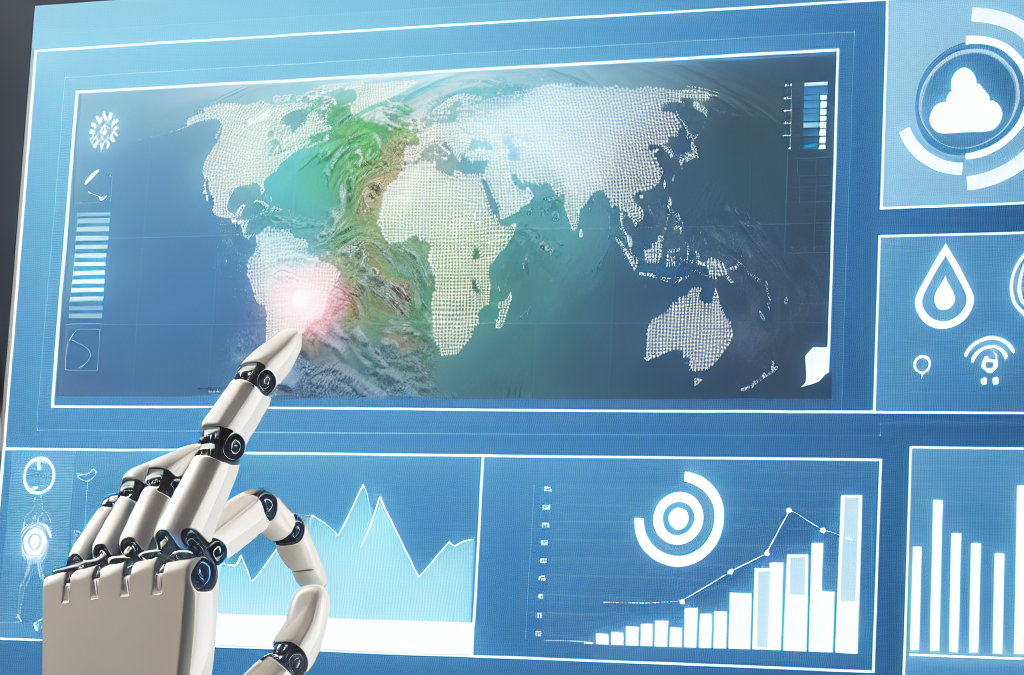
Artificial intelligence (AI) is transforming the way societies address natural disasters. Thanks to advanced technologies such as machine learning and big data analysis, we can predict extreme phenomena, better manage disaster responses, and plan climate risk management strategies. This article explores how AI is revolutionizing early detection and emergency response.
The transformative power of AI in predicting natural disasters
Artificial intelligence has emerged as a crucial ally in the fight against natural disasters, enabling more accurate and efficient predictions through big data analysis. For instance, in the field of earthquake prediction, although absolute certainty in predicting these phenomena has not yet been achieved, AI is making strides in identifying early signals by analyzing historical and real-time seismic patterns. Similarly, the detection of extreme phenomena such as floods and hurricanes has been optimized through the use of predictive models that process vast amounts of data from satellite imagery and weather forecasts.
Machine learning, an essential branch of AI technology, is at the core of the development of these predictive tools. As the availability of data increases and the quality of data improves, machine learning algorithms become more robust and accurate, enabling better foresight of potentially catastrophic events. These technologies not only predict but also manage climate risk more effectively, contributing to the building of resilient societies.
Integrating AI in emergency management and disaster response
The effectiveness of emergency management largely depends on our ability to react quickly to natural disasters. AI technology provides tools for the early detection of wildfires by assessing atmospheric and thermal data collected by satellites and ground sensors. By identifying subtle changes in these signals, AI systems can alert authorities before the situation escalates into a large-scale fire.
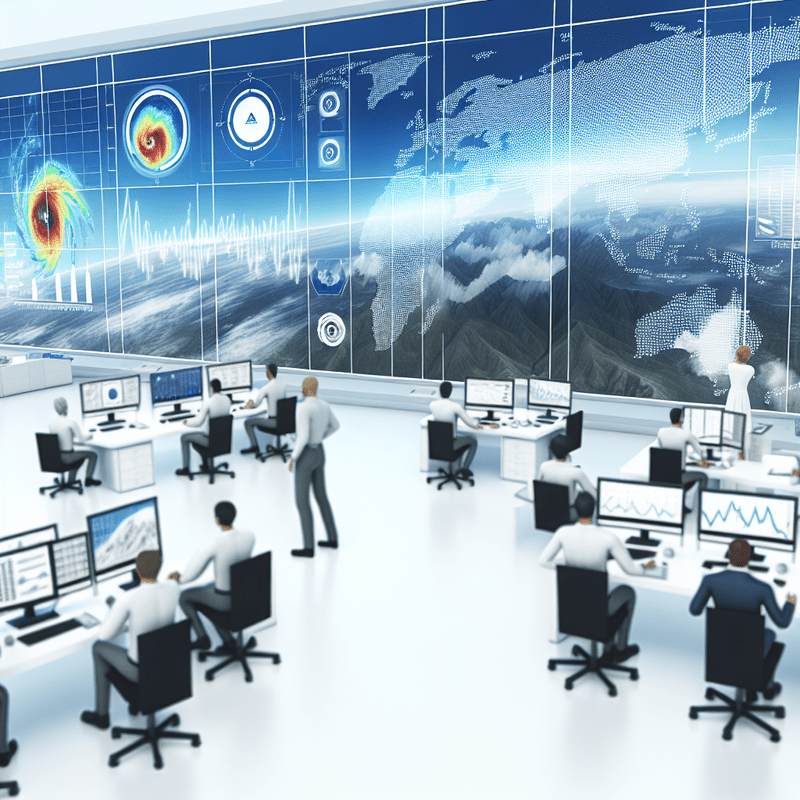
The quick and efficient response to natural disasters is vital for minimizing damage and saving lives. Advances in big data analytics enable real-time assessments of the situation, optimizing resource allocation and enhancing relief efforts. For instance, during a hurricane, AI systems can rapidly analyze ground and weather conditions to suggest the safest evacuation routes and the optimal location for aid centers. These capabilities not only improve disaster response but also strengthen public confidence in climate risk management efforts.
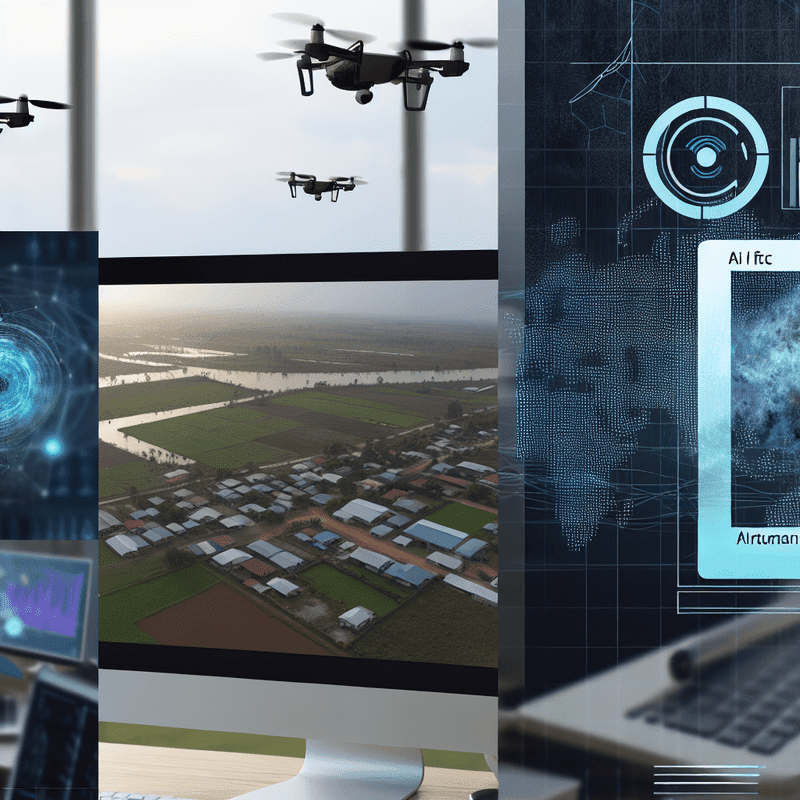
In summary, artificial intelligence is revolutionizing the way we predict and respond to natural disasters. By utilizing advanced models and data analytics, we are enhancing early detection and optimizing emergency management, enabling our societies to be more resilient and proactive in the face of climate risk.