

Artificial intelligence (AI) is revolutionizing multiple sectors, and its impact on the field of health is undeniable. The integration of AI in healthcare is transforming the way diseases are diagnosed and treated, offering a range of technological innovations that benefit both doctors and patients, establishing a new standard for the future of medical care.
The Transformation of Healthcare Through Artificial Intelligence
Artificial intelligence is facilitating a profound transformation in healthcare. **The technological advancements provided by AI** enable healthcare professionals to make more accurate and faster diagnoses than ever before. Tools such as machine learning algorithms can analyze large volumes of medical data, detecting patterns that, **otherwise, might go unnoticed by the human eye**. This massive processing capability has made early disease detection more efficient, which is crucial for improving patient outcomes.
Moreover, AI is transforming disease treatment by personalizing therapeutic strategies. AI platforms can tailor treatments based on the genetic profile and specific conditions of each patient, which **increases the effectiveness of medical interventions**. This is made possible through the analysis of electronic medical records, enabling the creation of predictive models to determine how a patient will respond to a certain treatment. This capability not only optimizes the efficiency of treatment but also **reduces the risk of side effects**.
Digital Innovations and the Future of Medicine
The future of medicine is promising thanks to the ongoing digital innovations driven by AI. Technologies such as telemedicine provide access to healthcare in remote areas, while augmented reality and virtual reality tools are used to train doctors and paramedics, enhancing their skills without the risks associated with procedures on real patients. **This ensures an unprecedented level of preparedness in the history of medicine.**
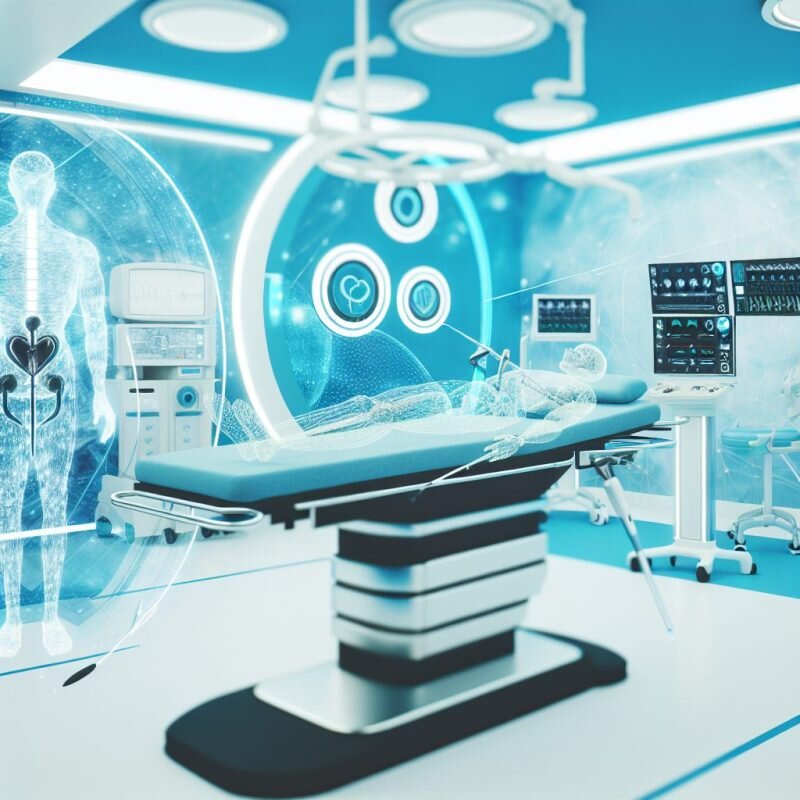
On the other hand, the **integration of wearable devices and health applications that incorporate AI** enables constant monitoring of patients’ health status, providing real-time data that can alert to potential medical emergencies. These devices not only assist in managing chronic diseases but also serve as a vital preventive tool for maintaining the health of the general population. Coordination between this technology and healthcare infrastructures is essential to foster a reactive and proactive health system.
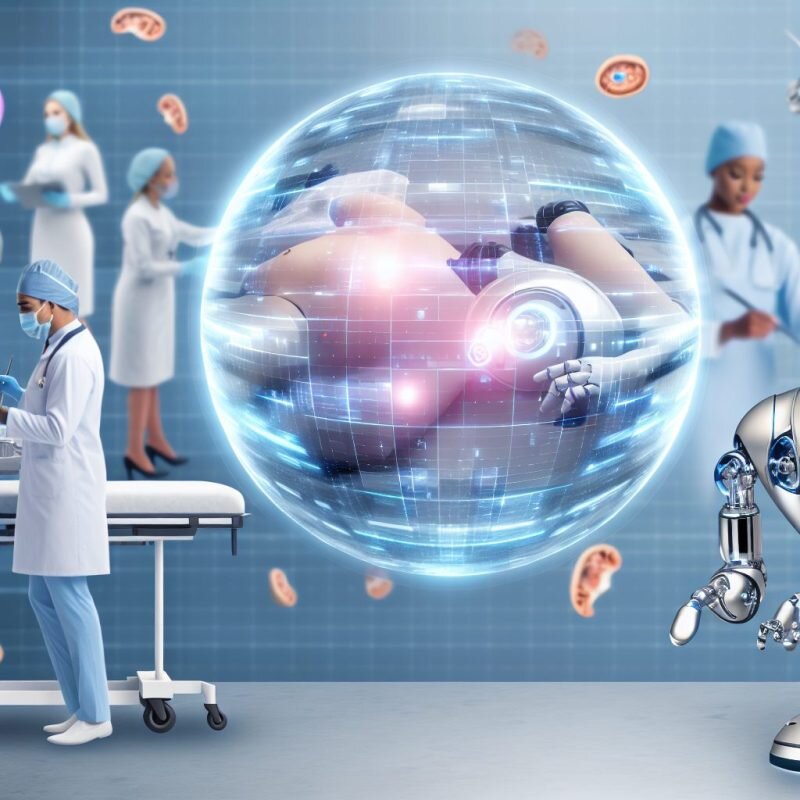
The commitment to enhancing efficiency and the quality of healthcare is at the heart of this digital revolution. The strategies that implement AI in the sector are designed not only to improve the operational performance of medical institutions but also to **promote a more human and personalized experience for patients**.
In summary, artificial intelligence is establishing itself as a fundamental pillar in the digital transformation strategy of healthcare. With more accurate diagnoses, personalized treatments, and the ongoing development of innovations, AI is redefining the relationship between doctors and patients and paving the way for a future of medicine that is improved and more accessible for all.