
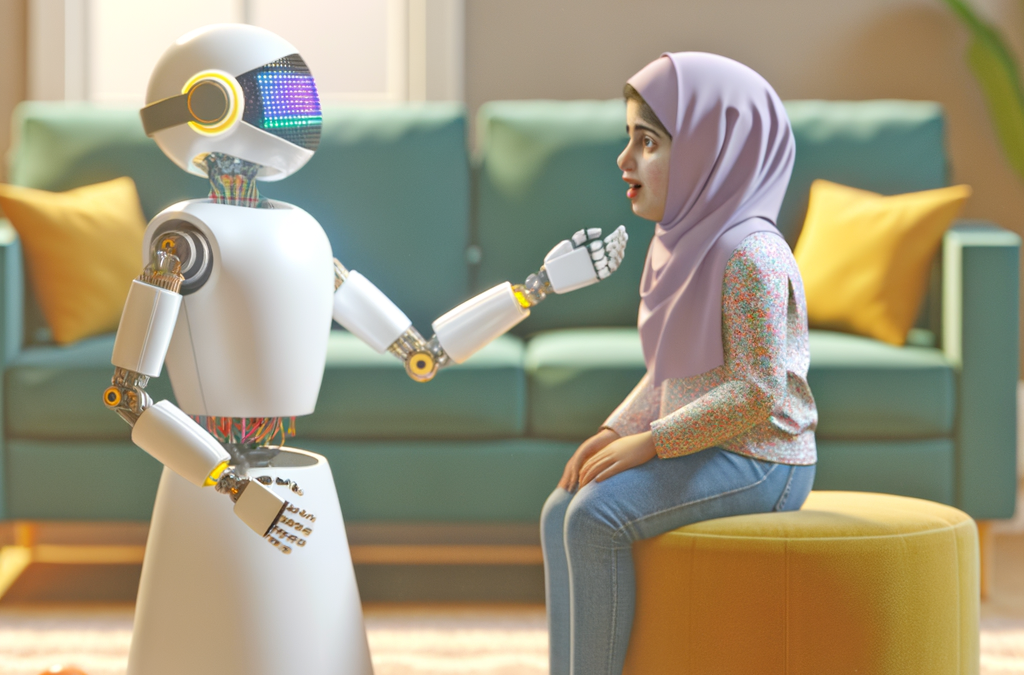
Artificial intelligence is revolutionizing numerous disciplines, including therapy for individuals with autism. This article explores the interaction between artificial intelligence (AI) and applied behavior analysis (ABA), particularly in the realm of early intervention. With a focus on data collection and predictive modeling, we will discuss how technology can transform treatment plans.
The Transformative Role of Artificial Intelligence in ABA Therapy
Artificial intelligence is beginning to play a crucial role in applied behavior analysis (ABA) therapy. Traditionally, therapists collect data manually, which can be labor-intensive and prone to errors. However, with the integration of AI, this data collection is being automated, allowing for more accurate and continuous data acquisition. This not only enhances the quality of the data but also enables therapists to focus on more complex and personalized strategies for each child.
Moreover, the use of predictive models generated by AI is transforming the way treatment plans are developed. Through these models, therapists can predict behaviors and adjust interventions accordingly. This is particularly beneficial for children with sensory processing disorders, where early detection of patterns can make a significant difference in treatment outcomes. In this way, artificial intelligence not only facilitates data collection but also aids in formulating more effective and personalized treatments.
Implications of AI in Training and Certification of Behavior Analysts
The incorporation of AI is also transforming the way professionals in behavior analysis are trained. Individuals pursuing the BCBA certification now have access to advanced technological tools during their education. ABA degree programs are increasingly integrating modules on artificial intelligence and machine learning, equipping future analysts with the skills needed to manage and apply these technologies in their daily work.

This change is pivotal not only for enhancing treatment outcomes but also for establishing a higher standard in ABA practice. By utilizing artificial intelligence tools, professionals can develop a deeper understanding of human behavior and the differences between neurologically typical children and those on the autism spectrum. Therefore, AI has the potential not only to improve treatment results but also to set new educational and therapeutic practice standards in the field of ABA.

Technological innovations in artificial intelligence are redefining applied behavior analysis (ABA). With the automation of data collection and the ability to create predictive models, AI optimizes treatment plans for autism, enhances analyst training, and facilitates more personalized interventions, benefiting both therapists and patients.