

Artificial intelligence is transforming water resource management and water conservation, playing a key role in effectively addressing climate change. Through the use of advanced technologies, AI and machine learning, water quality monitoring, leak detection, and flood prediction are revolutionizing sustainable water management. This article explores these innovations in the context of environmental financing and sustainable agriculture.
AI in Water Management: Innovations and Applications
In a world impacted by climate change, water management is critical to ensuring the sustainability and well-being of communities. Artificial intelligence (AI) is emerging as an essential tool in the management and conservation of water resources. The use of advanced technologies in the water sector promotes a more sustainable and efficient approach to water management.
One of the primary uses of AI in water management focuses on water quality monitoring. By utilizing advanced sensors and data analysis techniques, it is possible to detect contaminants and changes in real time, allowing for immediate corrective actions. These systems enhance the ability to maintain quality standards, protecting ecosystems and public health.

Additionally, predictive analytics and machine learning (machine learning) are being utilized for leak detection in water infrastructure. Through advanced algorithms that assess the behavior of water distribution networks, it is possible to identify vulnerabilities before significant cracks occur. This not only minimizes repair costs but also prevents the loss of vital resources.
Harnessing AI for Sustainable Water Management
AI also plays a crucial role in flood prediction, helping to mitigate potential natural disasters. Through predictive models that integrate historical and current climate data, smart decisions can be made to protect vulnerable communities. Therefore, AI facilitates the development of more resilient infrastructure strategies.
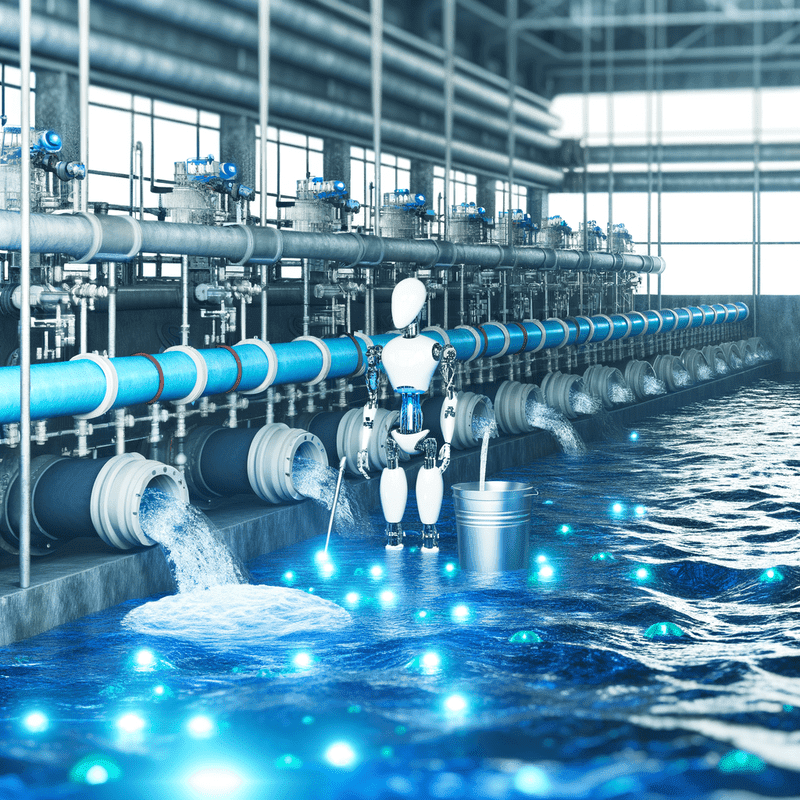
In the field of environmental finance, advancements in AI enable stakeholders to make informed decisions regarding sustainable investments in water infrastructure. Wastewater systems can significantly benefit from these developments, leading to improved water treatment efficiency and resource conservation.
Furthermore, in the field of sustainable agriculture, efficient water management through AI technologies can enhance productivity while minimizing water waste. The smart use of water resources is crucial in agricultural production, especially in areas where access to water is limited.
Sustainable conclusions in water management are achieved through AI and predictive analytics, integrating advanced technologies for monitoring, detection, and forecasting in the water sector. They contribute to conservation, enhance infrastructure, and manage the effects of climate change, ensuring informed and sustainable decisions for the future of global water resources.