
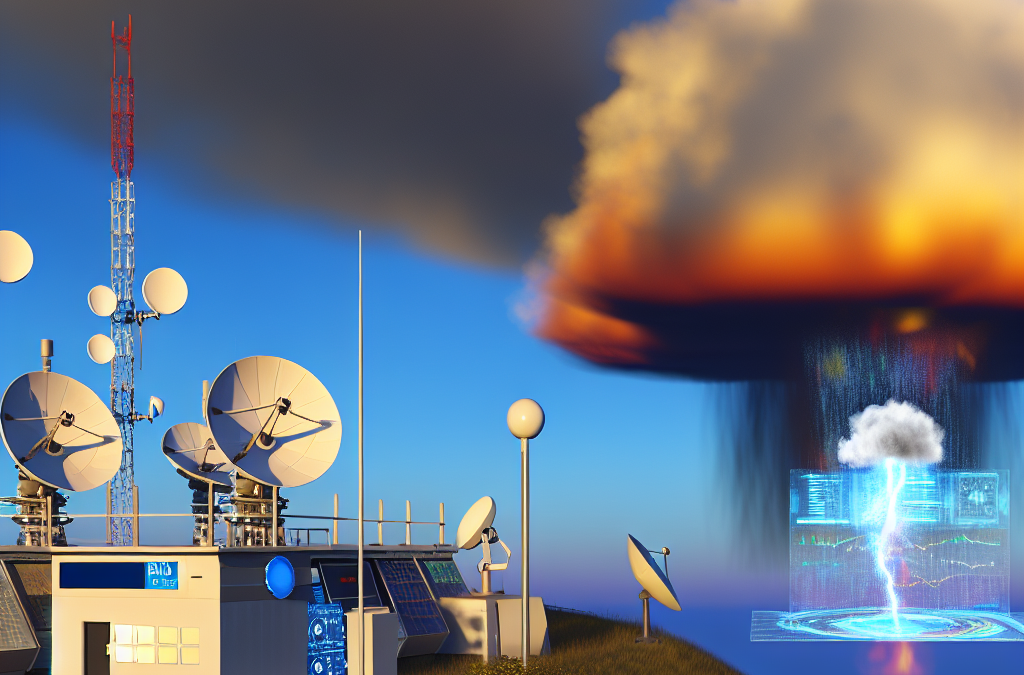
The artificial intelligence (AI) is becoming a key tool for sustainability and a green future to address one of the most pressing challenges of the 21st century: climate change. This article explores how AI is being utilized to predict extreme weather events, enhance early warning systems, and help mitigate severe climate impacts, such as droughts and heavy rainfall.
The Role of AI in Weather Forecasting
The accurate prediction of extreme weather events is essential for mitigating their impacts. **Artificial intelligence is revolutionizing weather forecasting**, providing faster and more accurate predictions. Traditional weather forecasting models, which often require enormous computational resources, are being replaced or supplemented by AI models that can process massive amounts of data in real time. This capability allows for the identification of complex weather patterns and the forecasting of extreme phenomena with greater lead time. With systems like Copernicus, which utilize advanced algorithms, AI offers an innovative approach to predicting heavy rainfall, storms, or droughts days or even weeks in advance.
The scientist Markus Reichstein has emphasized the importance of integrating biogeochemical data into AI models to enhance their accuracy. **This integration not only aids in predicting extreme events but also provides a better understanding of the underlying climate processes**. For instance, by considering factors such as soil carbon content and water evaporation, AI models can deliver more holistic and precise forecasts, which is crucial for developing long-term prevention strategies.
Early warning systems powered by artificial intelligence
Early warning systems are essential for minimizing damage caused by extreme weather events. AI is transforming these systems by enhancing their forecasting capabilities and response speed. **By utilizing AI, alert systems can analyze large volumes of data from multiple sources**, enabling more efficient detection of conditions that may lead to natural disasters. This analysis includes both historical and real-time data, helping to anticipate adverse conditions in advance.

**Vitus Benson, an expert in artificial intelligence applied to climate**, has noted that AI-powered automated systems can continuously adapt as new climate data is collected. This means they can not only issue more accurate warnings but also enhance their effectiveness over time. Furthermore, these systems can be configured to provide specific and contextual information for different geographic regions, thereby increasing the resilience of communities and assisting local authorities in planning more effectively.
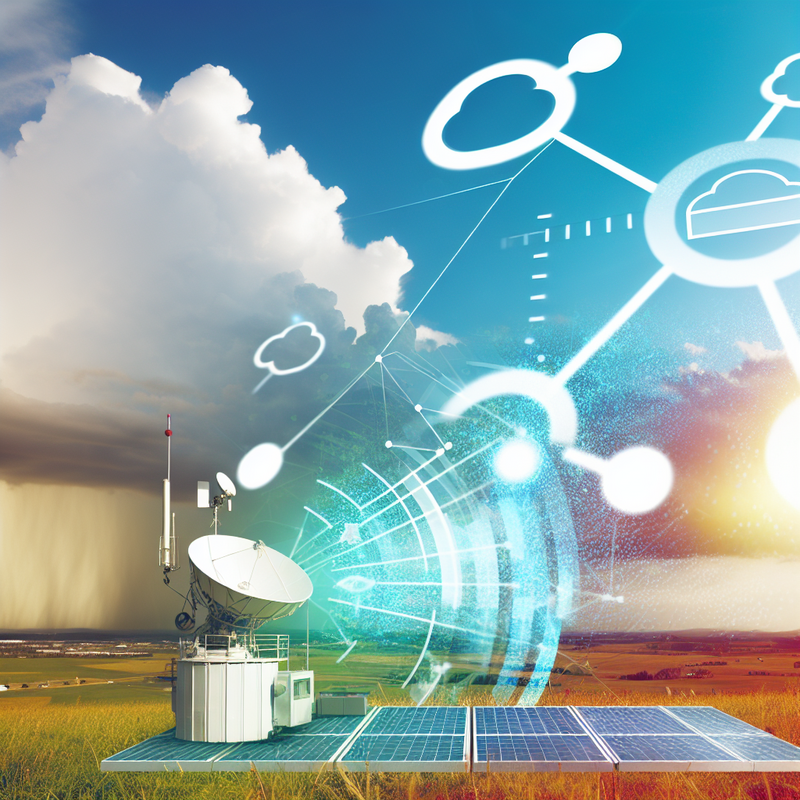
Another critical component of these systems is their ability to integrate AI models with advanced communication technologies. Delivering alerts through multiple channels, such as mobile apps or text messages, ensures that critical information reaches those who need it most in a timely manner. **The combined approach of AI and technological communication is saving lives by providing additional time for evacuations and preparations**.
Artificial intelligence stands as a powerful ally in the fight against climate change, particularly in the realm of extreme weather events. By enhancing forecasting and alert systems, AI not only improves the resilience of communities but also contributes to sustainability and the capacity to respond to climate emergencies.