
In today’s digital era, artificial intelligence (AI) is transforming the business landscape, enhancing efficiency and revolutionizing operations. From task automation to predictive analytics, companies can optimize their processes, reduce costs, and improve customer service. This article explores how AI is reshaping various sectors, strengthening customer loyalty, and enhancing business strategy.
Redefining Business Efficiency with AI
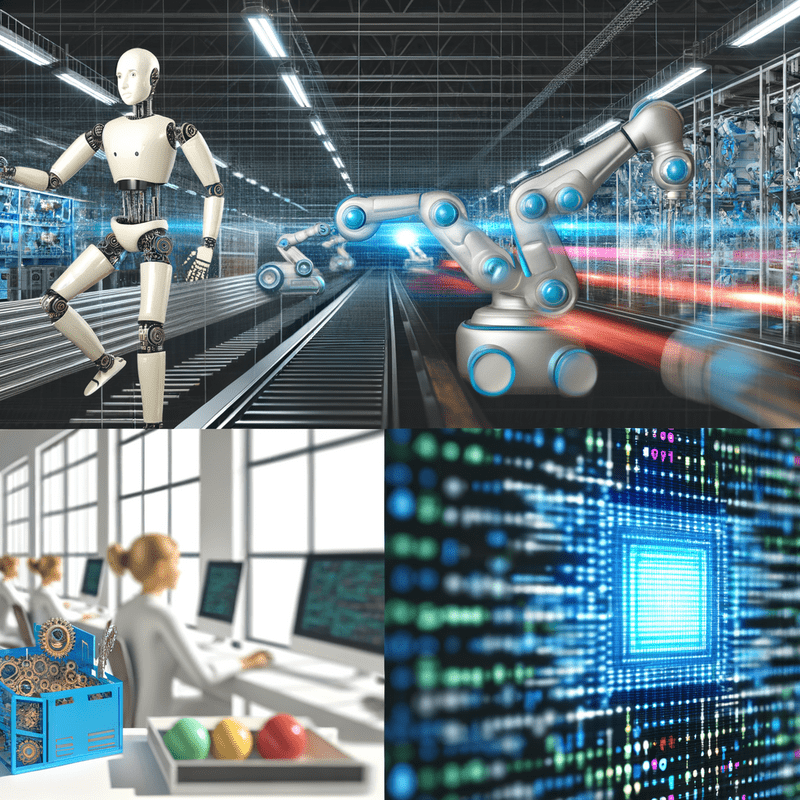
The implementation of artificial intelligence (AI) in business operations has ushered in a new era of efficiency and automation. Business automation tools enable the management of numerous tasks with unmatched precision, resulting in significant advancements in quality and control processes. In sectors such as manufacturing, for example, AI and machine learning optimize workflows through automated tasks, which not only increases productivity but also enhances the quality of manufactured products.
Additionally, AI enables significant cost savings through predictive maintenance. This maintenance approach not only minimizes unplanned downtime in machinery but also optimizes resource usage, extending the lifespan of equipment. In the automotive industry, there is a surge in autonomous vehicles, which, although still being perfected, promise to transform our transportation and commercial logistics.
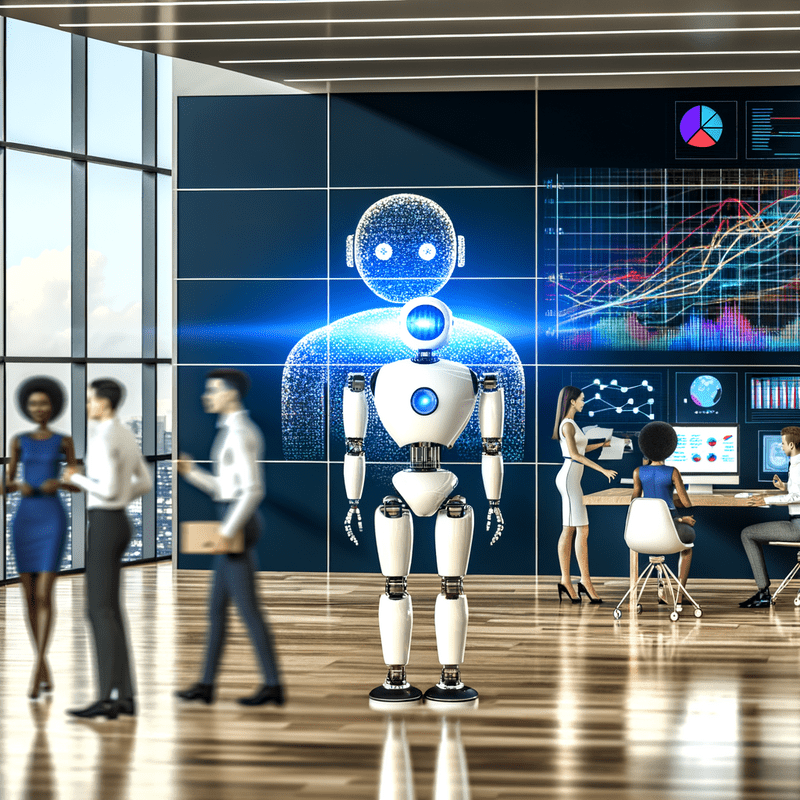
In the realm of retail, AI has revolutionized the analysis of market trends and demand forecasting. The ability to accurately predict market needs enables companies to manage inventories more efficiently, reducing excess stock and enhancing sales strategies. Tools like Watsonx.ai from IBM provide advanced data analytics capabilities, allowing businesses to gain valuable insights to guide the execution of strategies.
Transforming Customer Service and Decision Making
The impact of artificial intelligence extends beyond operational efficiency, significantly influencing customer service and decision-making. AI assistants and AI agents provide 24/7 customer support, enhancing responsiveness and problem-solving capabilities. Thanks to AI, companies can deliver faster and more personalized responses, ensuring greater satisfaction and customer loyalty.
Support for decision-making is enhanced with the implementation of predictive analytics. These tools not only provide historical data but also offer future projections that facilitate strategic planning. In sectors such as finance and human resources, this type of analysis enables more informed decisions regarding investments and talent management.
In the field of health, AI plays a crucial role in data analysis, assisting in making more accurate and personalized diagnoses. Tools like GRANITE help healthcare professionals optimize workflows, enhancing the creative process and response time in clinical settings. This not only saves time and resources but also improves outcomes for patients.
In summary, artificial intelligence is not only driving process optimizations and task automation, but it is also enhancing every aspect of business operations. From boosting productivity to improving customer experience, AI is becoming a strategic ally for organizations looking to stay ahead in a competitive environment. With sophisticated AI solutions like IBM’s Watsonx.ai, companies have the potential to unlock new levels of efficiency and success.