
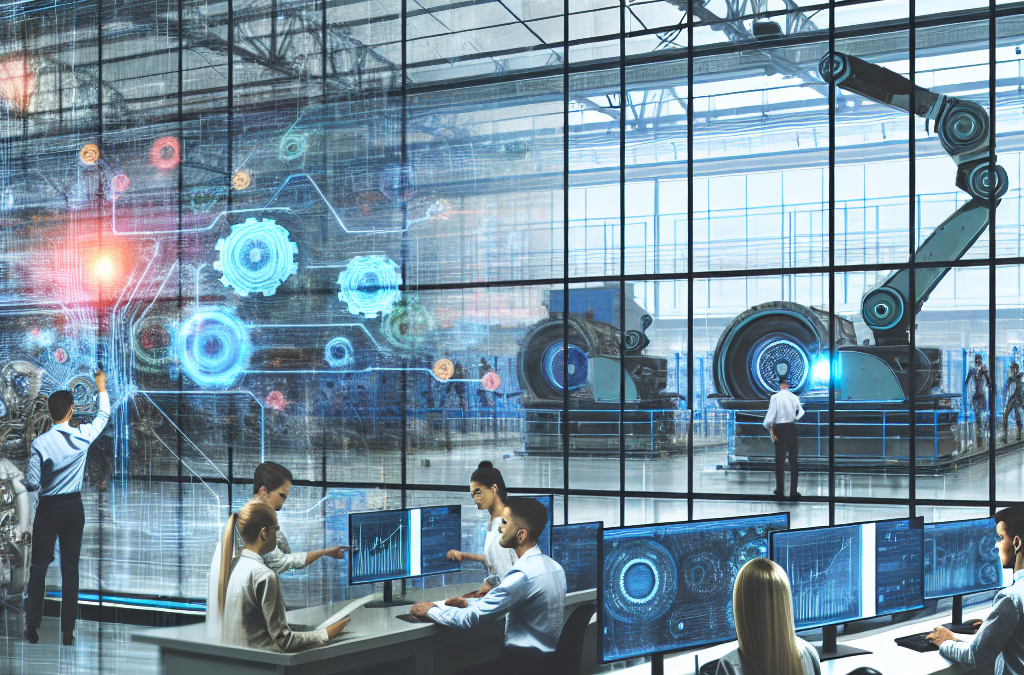
The convergence of artificial intelligence and technological advancements in Industry 4.0 is reshaping the landscape of global sustainability. This article will explore how these innovations are facilitating sustainable development, with a focus on energy management, the use of renewable energies, and the creation of smart cities that promote clean and efficient energy to achieve the Sustainable Development Goals.
Artificial Intelligence and Innovation in Industry 4.0
The Industry 4.0 marks the beginning of a new industrial era driven by emerging technologies such as artificial intelligence, the Internet of Things (IoT), and 3D printing. These innovations are transforming the way we produce and consume energy, significantly impacting optimization and operational efficiency. Artificial intelligence plays a crucial role in analyzing large volumes of data, enabling improvements in energy efficiency and reducing the carbon footprint in industries.
Renewable energies, such as solar energy and wind energy, are being integrated into intelligent systems that are monitored and managed by advanced algorithms. This results in more adaptive and predictive solutions for energy management, facilitating the digital transformation of industrial operations towards a more sustainable approach. Furthermore, with the help of IoT, it is possible to track energy consumption in real-time, allowing for better planning and resource distribution.
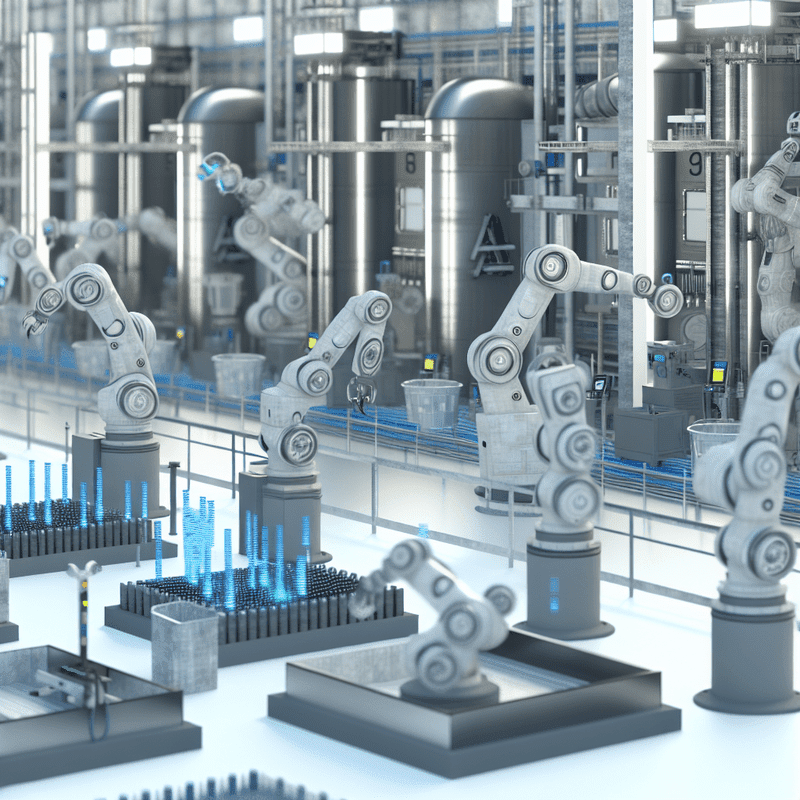
Smart Cities and the Circular Economy
Smart cities represent a new urban paradigm that incorporates artificial intelligence and IoT technologies to enhance the quality of life for citizens while promoting sustainability. A key component of these smart cities is the adoption of clean energy systems. By implementing infrastructures based on solar energy and wind energy, these cities not only reduce their dependence on polluting energy sources but also decrease their carbon footprint.
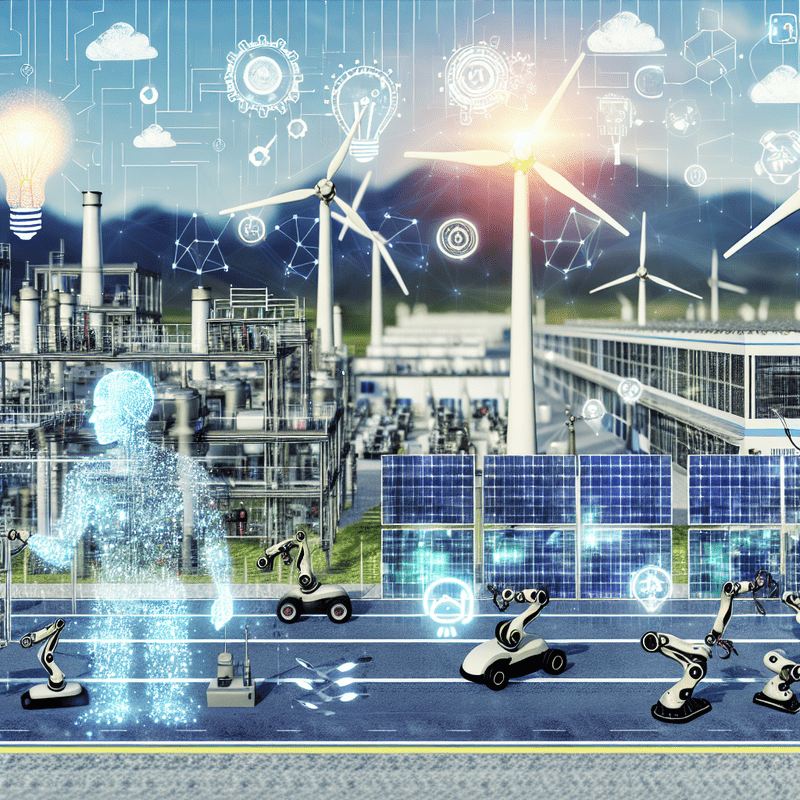
The circular economy is another fundamental pillar in the development of smart cities. Based on principles of recycling and reuse, this economic model aims to minimize waste and maximize the efficient use of resources. 3D printing emerges as an important tool in this process, allowing for the production of components from recycled materials, eliminating excesses and promoting a more sustainable economy. Smart cities leverage digital transformation to optimally manage their resources and waste, ensuring that every element of the urban environment contributes to the goal of truly sustainable development.
Overall, the integration of smart technologies and sustainable economic models paves the way for a future where innovation aligns with the Sustainable Development Goals, ensuring a greener and more responsible tomorrow while enhancing the quality of life for millions of people.