
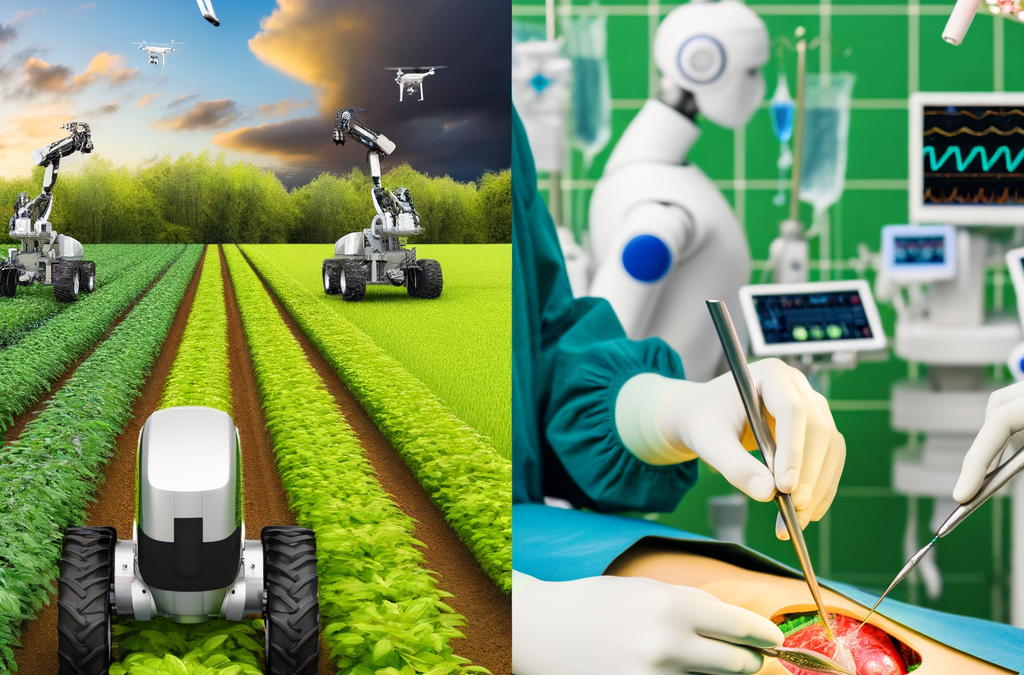
Artificial intelligence has revolutionized various industries by integrating robotics and machine learning to optimize processes. This advanced technology is transforming areas such as education, healthcare, and agriculture, while also promoting sustainability and efficiency in resource use. We will explore how this innovative technology is being implemented across different sectors, enhancing productivity and fostering a more sustainable future.
The Revolution of Robotics and Artificial Intelligence in Agriculture
Robotics and artificial intelligence are having a significant impact on agriculture, a key industry for global sustainability. The implementation of robots and drones for environmental monitoring has increased efficiency in crop management. Through machine learning, these devices can analyze data on soil, climate, and pests, enabling farmers to make informed decisions and improve the productivity of their land. Precision agriculture is a clear representation of how advanced technology is transforming the way we grow food, minimizing the excessive use of resources such as water and fertilizers.
Furthermore, the integration of drones in agriculture has made it easier to conduct aerial surveillance of large areas of land, providing farmers with key information to enhance their crops. Environmental monitoring through these devices not only helps maximize agricultural yield but also plays a crucial role in the conservation and protection of the environment. These technological advancements bring us closer to a more sustainable and efficient supply chain, reducing the negative impact on the surroundings and promoting more responsible and planet-friendly agricultural practices.
Innovations in Healthcare and Sustainable Energy
In the field of healthcare, artificial intelligence has opened up a range of possibilities for enhancing both the diagnosis and treatment of diseases. Thanks to large language models (LLM) and generative AI, it is possible to analyze vast volumes of medical data to identify patterns and predict disease progression. This not only increases diagnostic accuracy but also improves the efficiency of medical services, allowing healthcare professionals to focus more on patient care rather than routine tasks. Advanced technology in healthcare is marking a turning point in how we perceive medicine and its potential to save lives.
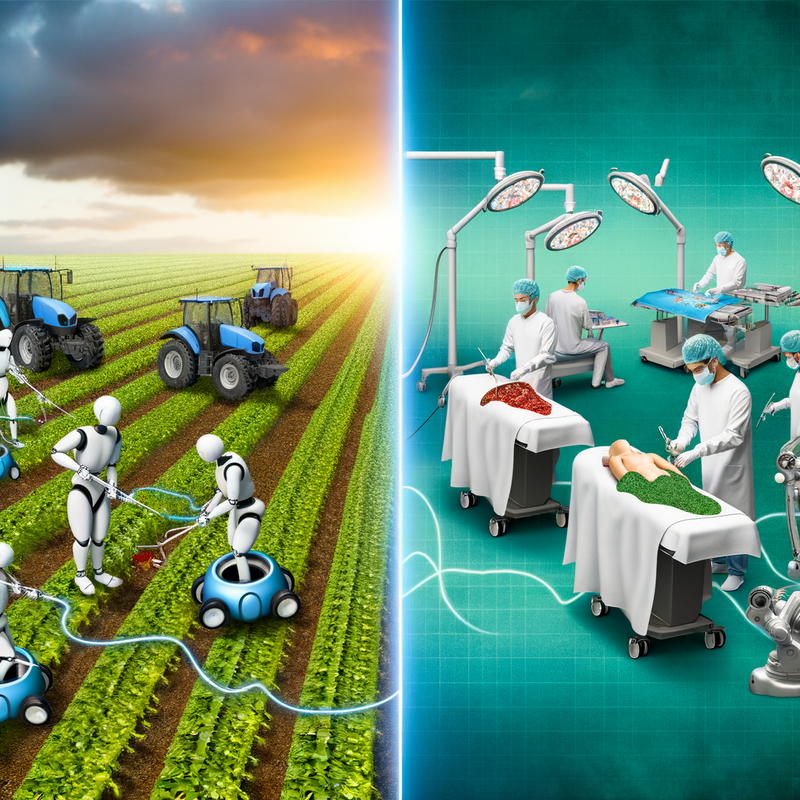
In parallel, artificial intelligence and robotics are playing a crucial role in the transition to renewable energy. By utilizing advanced algorithms, it is possible to optimize the storage and use of clean energies, such as solar and wind. The automation of renewable energy systems ensures a constant and efficient supply of energy, reducing our dependence on fossil fuels and contributing to the fight against climate change. These innovations not only meet sustainability goals but also represent significant advancements in our ability to mitigate the environmental impact of our activities.
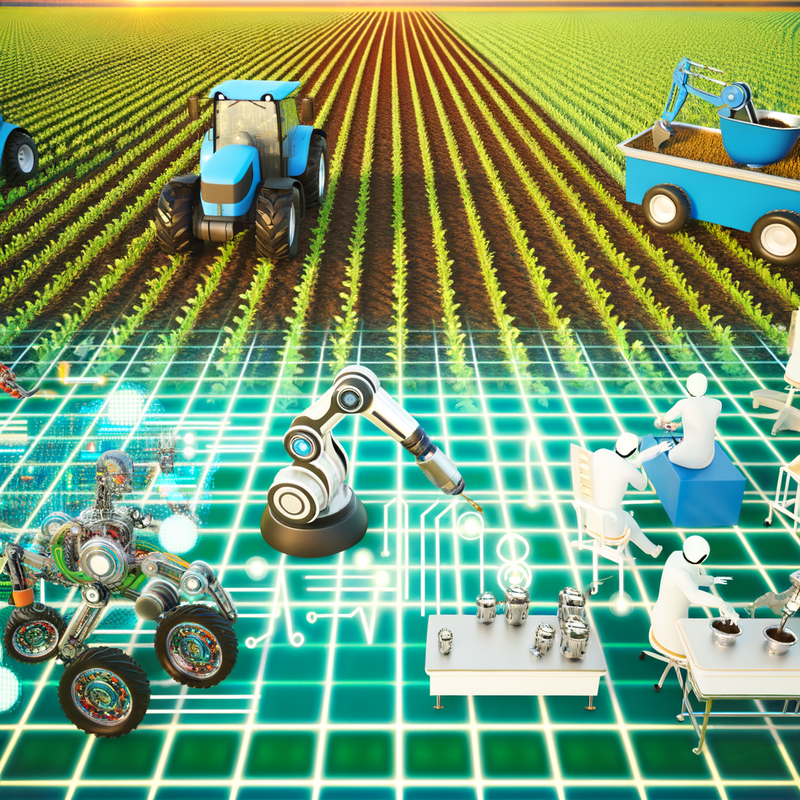
Finally, it is important to emphasize that the integration of artificial intelligence and robotics in these sectors not only aids in the fight against climate change but also promotes economic development and job creation in fields related to advanced technology. This shift towards cleaner technologies and more efficient techniques is essential for a more sustainable and equitable future.
Artificial intelligence, along with robotics and machine learning, is redefining numerous industries, promoting efficiency and sustainability. From precision agriculture to medical and energy innovations, these technological advancements offer the potential to optimize resources and address environmental challenges, aligning with a promising and conscientious future.
How This Works in Practice
Implementing AI and robotics in agriculture and healthcare involves a series of well-defined steps that require collaboration among various stakeholders. The process typically begins with an assessment of the specific needs and challenges within the sector. This could involve farmers identifying inefficiencies in crop management or healthcare providers recognizing gaps in patient care.
Once needs are identified, the next step is to establish the necessary infrastructure. In agriculture, this may include investing in drones, sensors, and data analytics platforms. For healthcare, it often involves integrating AI software with existing electronic health record systems. This stage is critical as it ensures that the foundational technology is in place to support advanced applications.
Following this, training is essential. Stakeholders, including farmers, healthcare professionals, and technical staff, must be trained to operate new technologies effectively. This training can encompass everything from operating drones to interpreting AI-generated data for better decision-making. Continuous education is also necessary to keep pace with evolving technologies.
Next, pilot programs are often initiated to test the technology in real-world scenarios. These trials allow for the identification of potential issues and adjustments before wider implementation. Feedback from these pilots can inform further refinements in both technology and processes.
Finally, full-scale implementation follows, accompanied by ongoing evaluation and optimization. Key performance indicators are established to measure effectiveness and ensure that the technology is delivering the intended benefits. This iterative process allows for continuous improvement, enabling organizations to adapt to changing conditions and emerging technologies over time.
What to Watch Out For
While the integration of AI and robotics presents numerous advantages, there are important limitations and trade-offs to consider. One major concern is the initial investment required for technology acquisition and infrastructure development. Smaller farms or healthcare facilities may find these costs prohibitive, leading to disparities in access to advanced technologies.
Another limitation is the reliance on data quality. AI systems are only as effective as the data they are trained on; poor-quality data can lead to inaccurate predictions and decisions. Therefore, ensuring data integrity and accuracy is paramount, requiring ongoing efforts to maintain data collection processes.
Common mistakes include underestimating the importance of change management. Stakeholders may resist new technologies due to fear of job loss or a lack of understanding. Effective communication and involvement of all parties in the implementation process can help mitigate these concerns.
Moreover, there can be ethical considerations regarding data privacy, especially in healthcare. Organizations must navigate regulations and ensure that patient data is handled responsibly. Failing to address these issues can lead to legal repercussions and damage public trust.
Finally, it’s crucial to recognize that while AI and robotics can enhance efficiency, they are not a panacea. Over-reliance on technology can lead to a neglect of fundamental skills and practices that are essential for success in both agriculture and healthcare.
Frequently Asked Questions
Q: What are the initial costs associated with implementing AI and robotics in agriculture?
A: Initial costs can vary significantly based on the scale of the operation and the technology chosen. Investments may include purchasing drones, sensors, software, and infrastructure upgrades, along with training for personnel.
Q: How can farmers ensure the quality of data collected by AI systems?
A: Farmers can ensure data quality by implementing standardized data collection processes, regularly maintaining and calibrating equipment, and using reliable sensors. Training staff on data management practices is also essential.
Q: What role does change management play in AI adoption?
A: Change management is critical as it helps address resistance to new technologies. Engaging stakeholders early, providing clear communication, and offering training can facilitate smoother transitions and greater acceptance of AI solutions.
Q: Are there any ethical concerns associated with AI in healthcare?
A: Yes, ethical concerns include data privacy and security, informed consent, and the potential for bias in AI algorithms. Organizations must establish robust policies and practices to address these issues and protect patient rights.
Related Articles
- AI Platforms for Healthcare
- AI and Telemedicine: Transforming Healthcare in Latin America
- Revolution in Agriculture: AI, IoT, and Advanced Sustainability
Get our new articles by email
One email per article. Unsubscribe anytime.