
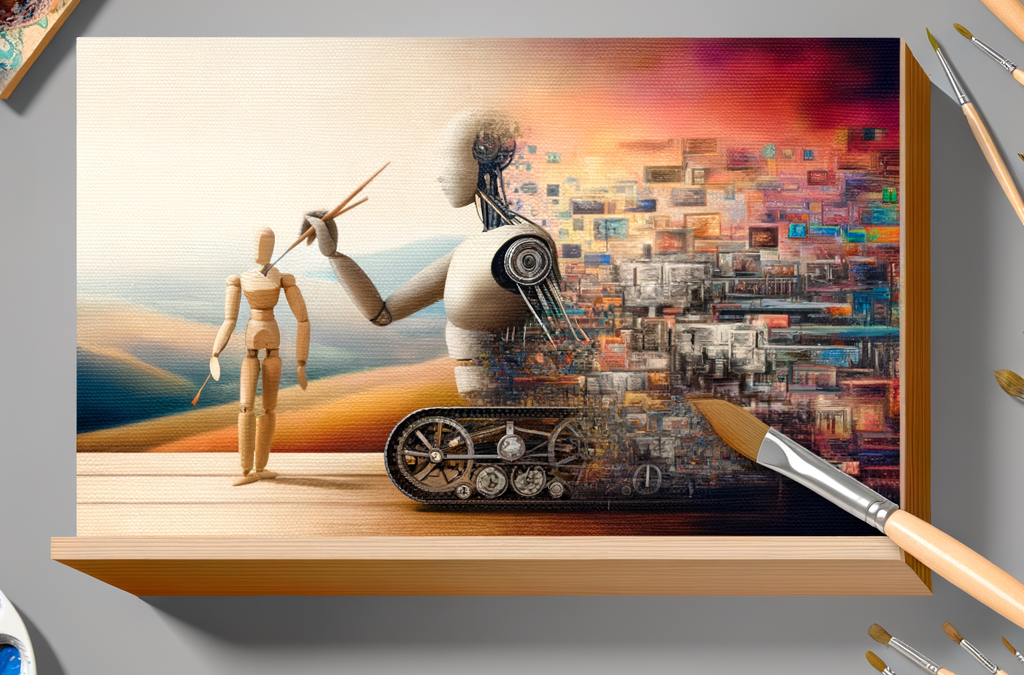
The integration of artificial intelligence in the world of art is reshaping our understanding of creativity and the artistic creation process. This development presents new challenges and opportunities for artists, audiences, and collectors worldwide, while questioning the boundaries of human and digital expression in the 21st century.
Artificial Intelligence and Creativity: A New Paradigm in Contemporary Art
The relationship between artificial intelligence and art has evolved significantly in recent years. The use of sophisticated algorithms and advanced programming has enabled not only the creation of artworks but also an exploration of computational creativity. This new form of art, which oscillates between the human and the technological, is increasingly present in galleries and art exhibitions around the world.
AI-generated artworks are shaking the traditional structures of the art market. At fairs and auctions, the technological advantages and innovations are causing a paradigm shift. These events not only provide a glimpse into the future of art but also serve as a platform for active participation from the public and a new model of contemporary collecting. Digital art exhibitions and auctions are attracting a younger audience, increasingly interested in the intersection of technology and artistic expression.
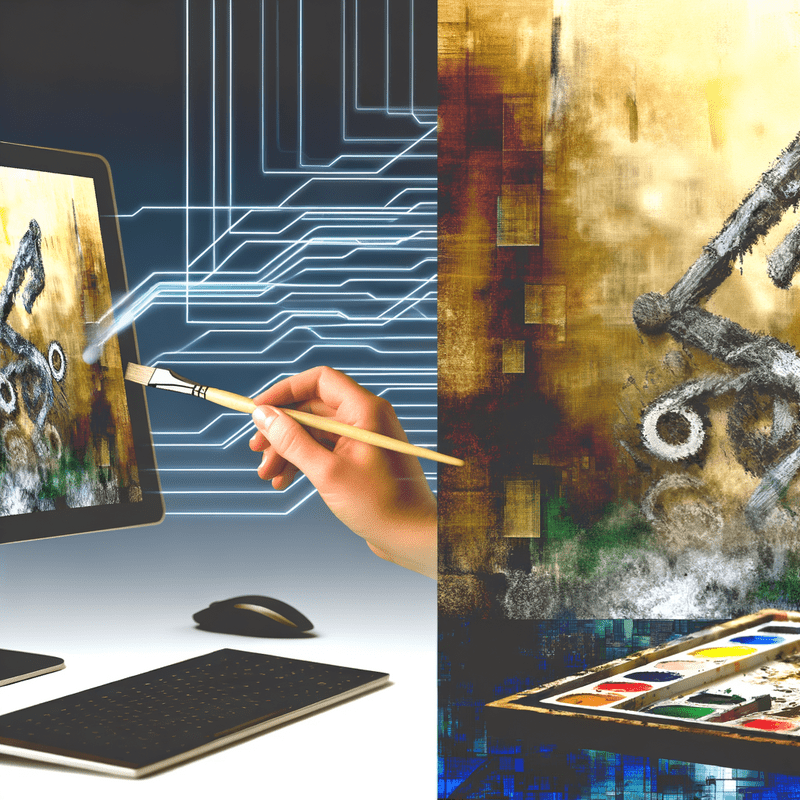
The Cultural Impact and Creation Dynamics
The advancement of artificial intelligence in the artistic field also represents a cultural meeting point and an opportunity for international collaboration. Contemporary artists are integrating cutting-edge technologies into their creative practices, transcending borders and fostering a dynamic cultural exchange. AI programs, which initially focused on graphic design, are now applicable across various artistic mediums thanks to the support of sponsors interested in digital transformation.
Interactivity plays a fundamental role in this new form of art. Not only do viewers become participants in an immersive cultural experience, but AI-generated art also raises questions about intellectual property rights. How is authorship defined in a realm where algorithms create content under the guidance of programmers? This is an ongoing debate among experts, critics, artists, and the art market.
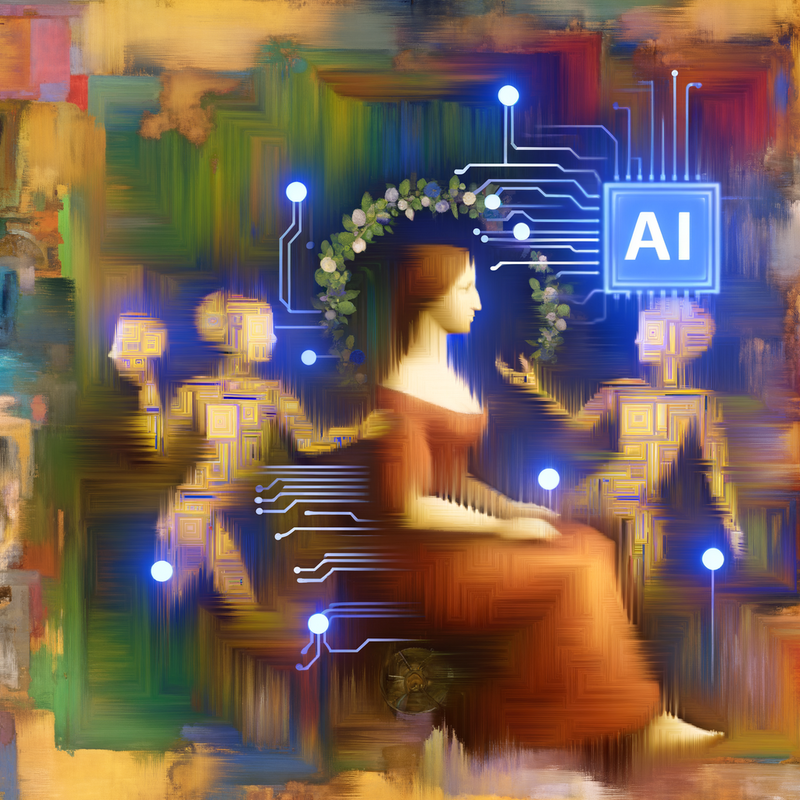
The specialized criticism analyzes these works from multiple perspectives, considering the dynamics of creation, the interaction with audiences, and the international context in which they are presented. In this sense, technology is not just a tool, but also an integral part of the artistic experience. This promises a future in which humans and machines collaborate symbiotically to overcome traditional creative limitations and enrich our cultural heritage.
The interactions between artificial intelligence and contemporary art are shaping a new artistic and cultural horizon. This transformation stimulates innovation, encourages interactivity, and redefines audience engagement. With each exhibition, auction, or international collaboration, the future of digital art continues to expand, blurring the lines between the human and the machine.