

Artificial intelligence (AI) is revolutionizing multiple sectors, and its impact on the field of health is undeniable. The integration of AI in healthcare is transforming the way diseases are diagnosed and treated, offering a range of technological innovations that benefit both doctors and patients, establishing a new standard for the future of medical care.
The Transformation of Healthcare Through Artificial Intelligence
Artificial intelligence is facilitating a profound transformation in healthcare. **The technological advancements provided by AI** enable healthcare professionals to make more accurate and faster diagnoses than ever before. Tools such as machine learning algorithms can analyze large volumes of medical data, detecting patterns that, **otherwise, might go unnoticed by the human eye**. This massive processing capability has made early disease detection more efficient, which is crucial for improving patient outcomes.
Moreover, AI is transforming disease treatment by personalizing therapeutic strategies. AI platforms can tailor treatments based on the genetic profile and specific conditions of each patient, which **increases the effectiveness of medical interventions**. This is made possible through the analysis of electronic medical records, enabling the creation of predictive models to determine how a patient will respond to a certain treatment. This capability not only optimizes the efficiency of treatment but also **reduces the risk of side effects**.
Digital Innovations and the Future of Medicine
The future of medicine is promising thanks to the ongoing digital innovations driven by AI. Technologies such as telemedicine provide access to healthcare in remote areas, while augmented reality and virtual reality tools are used to train doctors and paramedics, enhancing their skills without the risks associated with procedures on real patients. **This ensures an unprecedented level of preparedness in the history of medicine.**

On the other hand, the **integration of wearable devices and health applications that incorporate AI** enables constant monitoring of patients’ health status, providing real-time data that can alert to potential medical emergencies. These devices not only assist in managing chronic diseases but also serve as a vital preventive tool for maintaining the health of the general population. Coordination between this technology and healthcare infrastructures is essential to foster a reactive and proactive health system.
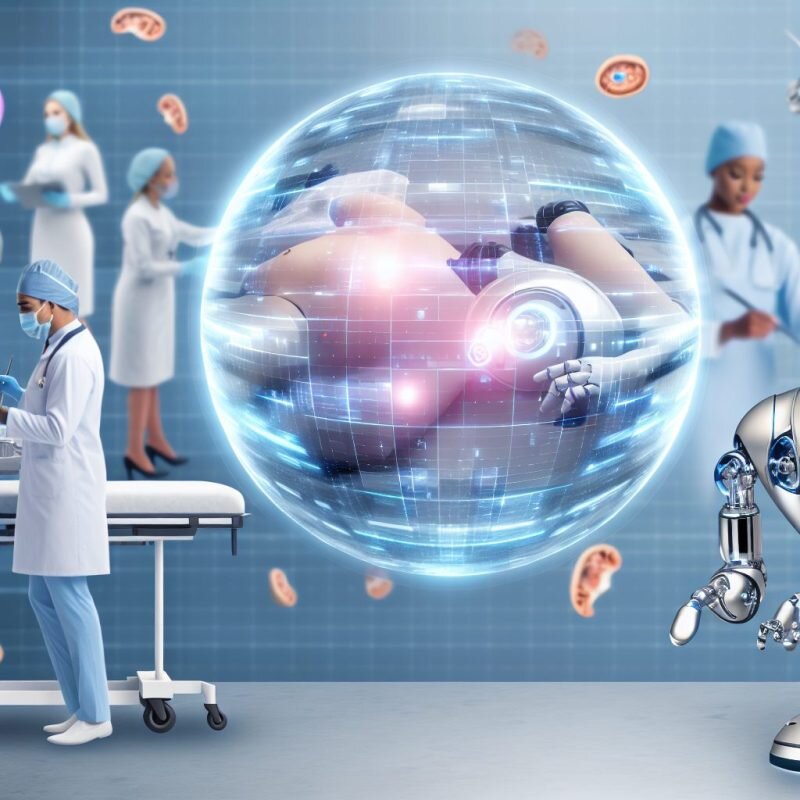
The commitment to enhancing efficiency and the quality of healthcare is at the heart of this digital revolution. The strategies that implement AI in the sector are designed not only to improve the operational performance of medical institutions but also to **promote a more human and personalized experience for patients**.
In summary, artificial intelligence is establishing itself as a fundamental pillar in the digital transformation strategy of healthcare. With more accurate diagnoses, personalized treatments, and the ongoing development of innovations, AI is redefining the relationship between doctors and patients and paving the way for a future of medicine that is improved and more accessible for all.
How This Works in Practice
Implementing AI in healthcare requires a systematic approach that involves several key steps. First, healthcare organizations must assess their current technological infrastructure to determine what is necessary to support AI systems. This involves upgrading data storage capabilities and ensuring robust cybersecurity measures are in place to protect sensitive patient information.
Next, data collection is crucial. Organizations need to compile extensive datasets that include electronic health records, imaging data, and patient demographics. This data should be cleaned and standardized to ensure that AI algorithms can process it effectively. Collaboration with IT professionals, data scientists, and healthcare practitioners is essential during this phase to ensure that the data collected is relevant and comprehensive.
Once the data is prepared, AI models can be developed and trained. This often involves using machine learning techniques to create algorithms that can identify patterns and make predictions based on the data provided. It is important to involve clinical staff during this process to validate the models and ensure they align with real-world applications.
After training, the AI models need to be tested rigorously to evaluate their accuracy and reliability. This testing phase may involve pilot programs where the AI system is integrated into clinical workflows on a limited basis. Feedback from healthcare providers will guide adjustments and improvements before full implementation.
Finally, comprehensive training for staff is necessary to ensure that they understand how to use the AI tools effectively. Ongoing support and updates are also crucial to adapt to new technologies and ensure the system remains effective over time. The involvement of cross-functional teams throughout this process—from data analysts to clinical staff—ensures that AI is successfully integrated into healthcare practices.
What to Watch Out For
While the integration of AI into healthcare presents many opportunities, there are several limitations and trade-offs that decision-makers should consider. One common mistake is underestimating the importance of data quality. If the data used to train AI systems is biased or incomplete, it can lead to inaccurate predictions and poor patient outcomes. Ensuring high-quality, representative data is essential.
Additionally, the reliance on AI can sometimes lead to overconfidence in technology. Healthcare professionals must remember that AI should augment their decision-making, not replace it. There is a risk that practitioners may defer too much to AI recommendations, which can diminish their clinical judgment and expertise.
Another consideration is the ethical implications of AI in healthcare, particularly regarding patient privacy and consent. Organizations must navigate the complexities of data usage, ensuring that patients are informed and that their rights are protected. This may involve developing clear policies and maintaining transparency about how AI systems operate.
Moreover, the implementation of AI can require significant investment in technology and training, which may not be feasible for all healthcare institutions, particularly smaller practices. Decision-makers should weigh the costs against the potential benefits and consider whether a phased approach to implementation might be more sustainable.
Frequently Asked Questions
Q: How can AI improve patient outcomes?
A: AI improves patient outcomes by enabling faster and more accurate diagnoses, personalizing treatment plans, and facilitating early detection of diseases through data analysis.
Q: What types of data are most useful for training AI models in healthcare?
A: The most useful data includes electronic health records, imaging data, lab results, and demographic information, all of which contribute to creating comprehensive AI models.
Q: Are there any risks associated with relying on AI in medical decision-making?
A: Yes, risks include potential bias in AI algorithms, over-reliance on technology that may undermine clinical judgment, and ethical concerns regarding patient data privacy.
Q: What is the role of healthcare professionals in the implementation of AI?
A: Healthcare professionals play a crucial role in validating AI models, providing feedback during testing phases, and ensuring that AI tools are used effectively in clinical settings.