

Artificial intelligence is transforming the landscape of cybersecurity, offering advanced solutions for detecting and mitigating digital threats. By integrating AI into various areas of security, threat detection systems are significantly enhanced, strengthening cyber defenses. This article explores how AI-driven technologies are redefining cybersecurity and providing a more proactive defense against emerging threats.
Revolution in Threat Detection with Artificial Intelligence
The integration of artificial intelligence in threat detection has revolutionized the way we approach cybersecurity. AI-driven threat detection systems prioritize the identification and neutralization of threats before they can cause significant harm. By applying machine learning and deep learning techniques, threat detection systems gain unprecedented capabilities to analyze large volumes of data and detect anomalies that could indicate cyberattacks. These systems enable companies to significantly enhance their cybersecurity defenses, providing an advantage against the constant rise of cyber threats.
One of the areas most impacted by these technologies is the detection of phishing and malware. By utilizing natural language processing (NLP), AI-powered detection systems can analyze the content of emails to identify characteristic patterns of phishing attempts. Similarly, these systems can detect malware through behavioral analysis, identifying subtle variations in how threats operate on the network. This not only enables security operation centers (SOCs) to respond more efficiently but also prepares organizations for future threats.
The power of behavioral analytics and proactive defense
Behavioral analytics, powered by AI, is critical for identifying unusual actions within networks. By combining data from multiple sources, AI-driven systems can create detailed behavioral profiles that help identify suspicious activities before they escalate into serious incidents. For example, detecting unauthorized lateral movements within an internal network can indicate intrusion attempts, allowing for a swift response from the security team.
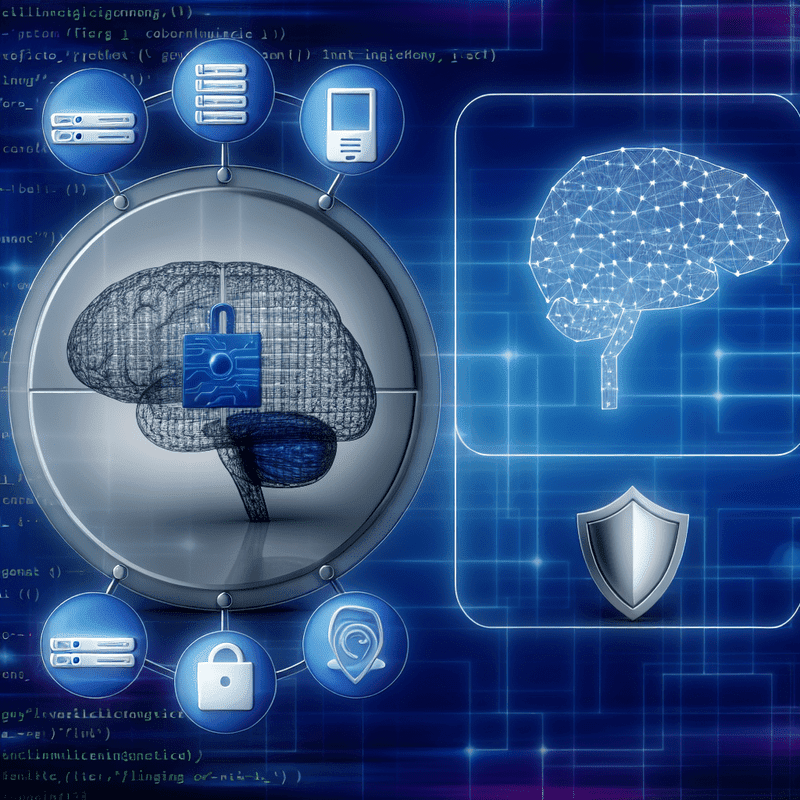
Additionally, proactive defense represents a significant shift in the approach to cybersecurity. Instead of merely reacting to threats after they occur, AI-powered systems proactively seek out and neutralize emerging threats. AI security posture management enables organizations to continuously assess their security postures, identifying vulnerable areas and strengthening protections before they can be exploited. This proactive approach is essential for maintaining a robust defense against the ever-changing landscape of cybersecurity.
By enhancing threat detection capabilities and strengthening preventive strategies, AI solutions in cybersecurity are an integral part of the future of digital security. The integration of advanced threat intelligence with AI ensures that systems are continuously updated and adapted to new threats, protecting the critical assets of organizations.
The AI-driven innovations in threat detection are driving a paradigm shift in cybersecurity. These technologies not only enhance the effectiveness of existing security systems but also provide a more proactive and transformative approach to the ever-evolving cyber threats. Artificial intelligence will continue to be a fundamental ally in protecting the global digital ecosystem. Optima Quantum