
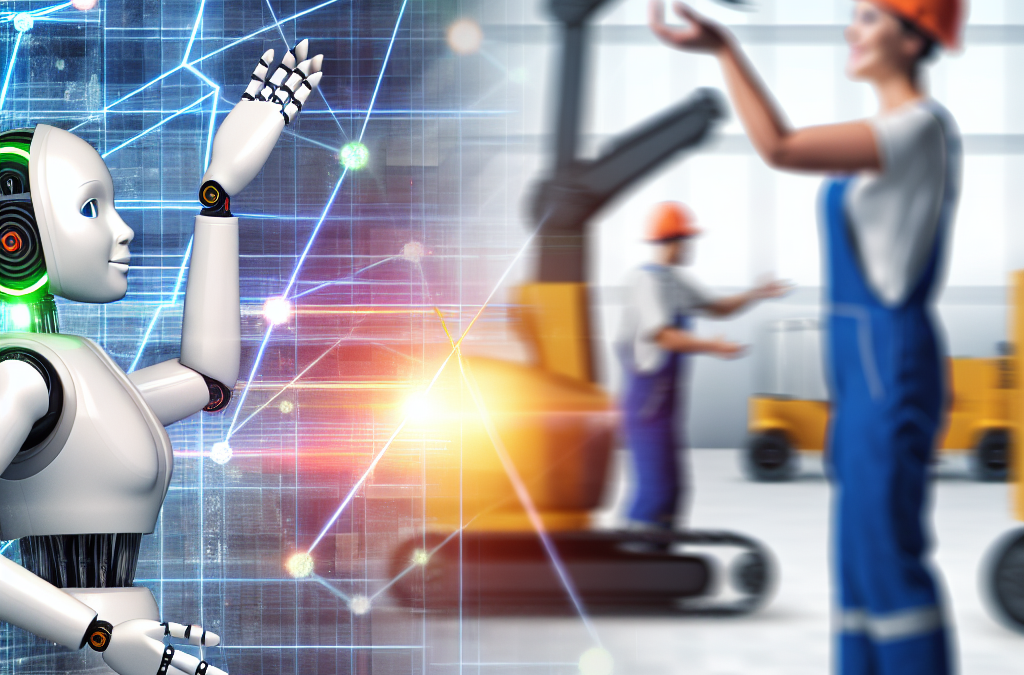
The integration of artificial intelligence in occupational health is dramatically transforming workplaces. By utilizing machine learning to enhance workplace safety and risk assessment, companies can provide a safer and more efficient work environment. This article explores how these technologies are innovating in the fields of safety and occupational health.
Artificial Intelligence: A Pillar in Occupational Safety
Artificial intelligence (AI) has revolutionized multiple sectors, and occupational safety is no exception. With the growing demand for safer work environments, AI provides innovative tools to identify and mitigate risks. One of the primary uses of AI in workplace safety is the detection and prediction of potential hazards. Through IoT sensors and surveillance cameras, machine learning algorithms can analyze the behavior of machines and employees, anticipating potentially dangerous situations before they occur. Additionally, these systems can be programmed to immediately alert supervisors when they detect risky behaviors, allowing for early intervention.
Risk assessment is another area where AI demonstrates its potential. Traditionally, workplace risk assessment has relied on observations and manual analysis, which can be time-consuming and prone to human error. Now, with the help of AI, companies can automate this process, using large volumes of data to identify patterns that may indicate a hidden risk. This not only saves time but also provides a more accurate and reliable analysis.
Machine Learning: Enhancing Occupational Health
Machine learning is a branch of AI that focuses on the development of algorithms that can learn and make predictions based on data. In the field of occupational health, this technology enables advanced data analysis to identify potential health issues before they become serious problems. For example, machine learning algorithms can analyze health data collected from wearable devices that measure heart rate, activity levels, and other indicators. With this information, organizations can gain a clearer insight into the overall health of their employees and take effective preventive measures.

Furthermore, machine learning can be integrated with employee training programs, customizing the training based on the specific health and safety needs of each worker. This is achieved through the analysis of previous performance and health data to identify areas for improvement. With this information, training programs can be designed to be more effective, taking less time and yielding better results.

The integration of AI with occupational health and safety represents a significant step towards creating safer and healthier work environments. With the power of machine learning, companies can not only predict and prevent risks but also foster a personalized and effective workplace health culture.
Artificial intelligence is shaping the future of occupational health by enhancing workplace safety and optimizing risk assessment. By integrating technologies such as machine learning, organizations can anticipate issues and efficiently tailor solutions, creating a safe and healthy work environment for all.
How This Works in Practice
Implementing AI and machine learning in occupational health requires a systematic approach, involving several critical steps and stakeholders. The first step is to assess the existing workplace environment to identify specific safety and health challenges. This assessment should include input from safety officers, management, and employees to ensure a comprehensive understanding of the risks involved.
Next, organizations must invest in the necessary technology infrastructure. This involves acquiring IoT sensors, wearable devices, and data analytics platforms capable of processing large datasets. It is essential to ensure that these devices are integrated seamlessly into the existing systems to allow for real-time monitoring and data collection.
Once the technology is in place, the next phase involves data collection and analysis. This requires collaboration between IT specialists, data scientists, and occupational health professionals. The data collected from various sources, such as sensors and employee health records, is analyzed using machine learning algorithms to identify patterns and predict potential hazards.
After the analysis phase, organizations should develop targeted interventions based on the insights gained. This could include modifying workflows, enhancing safety protocols, or introducing tailored training programs. It is crucial to involve employees in this process to ensure that the interventions are practical and effective.
Finally, continuous monitoring and evaluation are essential to assess the effectiveness of the implemented solutions. Organizations should establish feedback loops where employees can report issues or suggest improvements, ensuring that the system evolves and adapts to changing workplace dynamics. This iterative process not only enhances workplace safety but also fosters a culture of continuous improvement.
What to Watch Out For
While the integration of AI in occupational health offers numerous benefits, there are several limitations and trade-offs that organizations should consider. One significant concern is the reliance on technology, which can lead to complacency among employees. If workers believe that AI will handle all safety concerns, they may become less vigilant about their own behaviors and surroundings.
Another potential drawback is the quality of the data being used. Machine learning algorithms are only as effective as the data they are trained on. Inaccurate or incomplete data can lead to incorrect predictions, which may result in inadequate safety measures being implemented. Therefore, organizations must ensure that data collection processes are robust and that data is regularly validated.
Common mistakes include underestimating the importance of employee training on new systems. Employees must understand how to interact with AI tools and interpret the data provided to make informed decisions. Failing to provide adequate training can lead to misinterpretation of alerts or recommendations, potentially compromising safety.
Additionally, organizations should be cautious about privacy concerns related to employee health data. Ensuring compliance with data protection regulations is crucial to maintaining trust and safeguarding sensitive information. Without proper safeguards, companies risk facing legal ramifications and damaging their reputation.
Frequently Asked Questions
Q: How can we ensure the accuracy of AI predictions in workplace safety?
A: Ensuring accuracy involves using high-quality, comprehensive data for training AI algorithms. Regularly updating the data and continuously validating the algorithms against real-world outcomes can help maintain their effectiveness.
Q: What role do employees play in the successful implementation of AI in occupational health?
A: Employees are critical to the success of AI initiatives. Their input is valuable during the assessment phase, and their engagement in training and feedback processes ensures that the implemented solutions are practical and effective.
Q: Are there specific industries where AI in occupational health is more beneficial?
A: While AI can enhance safety in various sectors, it is particularly beneficial in high-risk industries such as construction, manufacturing, and healthcare, where the potential for hazards is greater, and immediate intervention can prevent serious injuries.
Q: What should we do if the AI system provides contradictory recommendations?
A: In cases of contradictory recommendations, it is essential to conduct a thorough review of the data and algorithms involved. Cross-referencing with expert opinions and employee feedback can help clarify the best course of action.