
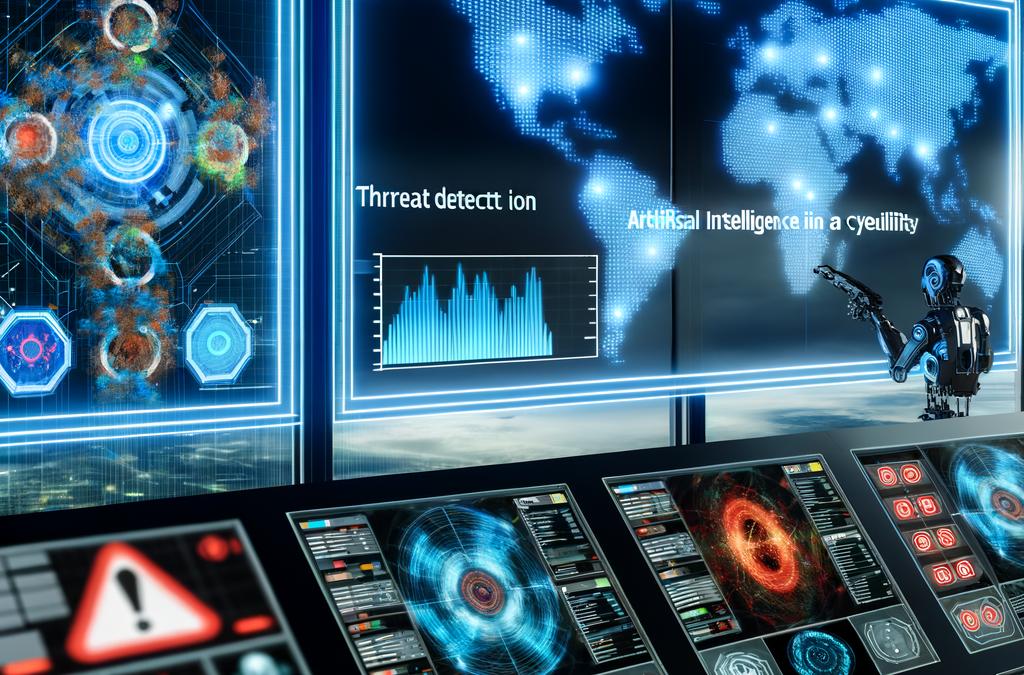
Artificial intelligence is revolutionizing cybersecurity with advanced threat detection and transforming the field. This article explores how the integration of machine learning algorithms and automation in Security Operations Centers (SOCs) enhances incident response, optimizes performance, and increases protection through predictive and real-time analytics. Discover the advantages of high pattern recognition and the advanced network protection that artificial intelligence provides.
Revolutionizing Cybersecurity with AI-Driven Threat Detection
Artificial intelligence, with its ability to learn and adapt, offers a new paradigm in threat detection within the realm of cybersecurity. Machine learning algorithms are redefining threat detection, enabling the identification of complex patterns that may go unnoticed by human analysts. This evolution towards an AI-driven threat detection approach provides real-time analysis that is crucial for maintaining the security of the network and endpoints.
The power of artificial intelligence in cybersecurity lies in its ability to analyze vast amounts of data through advanced analytics and recognize patterns or anomalies in real time. This recognition process becomes an essential tool in predicting and preventing potential threats before they escalate into full-blown cyberattacks. Real-time threat detection is one of the most valuable features of an AI-driven SOC, as it significantly strengthens security layers, mitigating attacks before they cause irreversible damage.

Furthermore, the integration of AI in Security Operations Centers (SOC) enables the automation of critical security processes. SOC automation not only optimizes human resources by reducing repetitive tasks but also enhances the speed of incident response, a crucial factor where every second counts in mitigating potential security breaches. Conducted by advanced systems, the automated processes of an SOC possess a level of accuracy and efficiency that traditional methods cannot match.

AI-Enhanced Incident Response and Network Protection
The integration of artificial intelligence in incident response significantly enhances the speed and effectiveness with which threats are addressed. Through performance optimization and scalability, systems can confront threats immediately and in a tailored manner. The ability to anticipate threats before an incident occurs enables organizations not only to respond but also to plan improved prevention strategies.
Network protection in these contexts is not just about reacting; it is about being truly proactive. The use of predictive analytics allows for anticipating and mitigating risks before they materialize. This proactive approach is essential in an environment where the threat landscape is constantly evolving. When it comes to network security and endpoint protection, the support of AI algorithms not only strengthens existing barriers but also continuously enhances defense mechanisms as threat patterns evolve.
Fraud detection and the identification of endogenous threats are further enhanced by the capabilities of artificial intelligence, providing a level of security that would be nearly impossible to achieve through human intervention alone. Through pattern recognition and the continuous updating of AI-based algorithms, it is possible to identify behaviors that deviate even slightly from the norm, alerting to potential fraud before it can compromise the integrity of the organization.
At the end of the day, the integration of advanced technologies not only strengthens network and endpoint security but also creates smarter and more efficient SOCs. The adoption of artificial intelligence and its intelligent implementation is key to addressing the growing challenges of modern cybersecurity, ensuring that businesses and their digital assets are protected through automated and effective solutions.
Artificial intelligence is establishing itself as a crucial component in cybersecurity, optimizing the detection and response to threats in real time. With its advanced capabilities and automation, it strengthens network infrastructure and enhances the effectiveness of SOCs, ensuring comprehensive protection against emerging threats and setting a new standard in digital defense.