

Artificial intelligence (AI) is revolutionizing the world of higher education, significantly enhancing accessibility for students with disabilities. This article explores how AI-based assistive technologies are transforming digital learning, facilitating equitable access, and addressing ethical and legal considerations for educators and students.
AI and Assistive Technology in Higher Education
Assistive technologies powered by AI, such as screen readers and text-to-speech tools, have been a groundbreaking change for students with disabilities. However, AI applications extend beyond these tools, fostering a more inclusive educational environment. Technologies like augmentative communication and predictive text algorithms help personalize learning for students with cognitive, speech, and mobility disabilities. These tools adapt educational material to the specific needs of each student, significantly enhancing the learning experience.
Additionally, voice recognition systems enable real-time transcription of classes, benefiting students with hearing impairments and those who struggle with note-taking. There are also speech-to-text applications and transcription tools that not only capture spoken words but also organize information coherently, enhancing writing skills and task management. Predictive text features, for instance, allow students with speech or writing disabilities to express their thoughts more easily and accurately.
Ethical and Legal Challenges in the Use of AI
Despite the benefits offered by AI assistive technologies, educators and developers must carefully consider the ethical and legal challenges associated with them. One of the main issues is algorithmic bias, which can manifest in systems that have not been sufficiently tested or that lack inclusivity in their training datasets. This problem can lead to uneven functionality for users belonging to minorities or with specific disabilities.
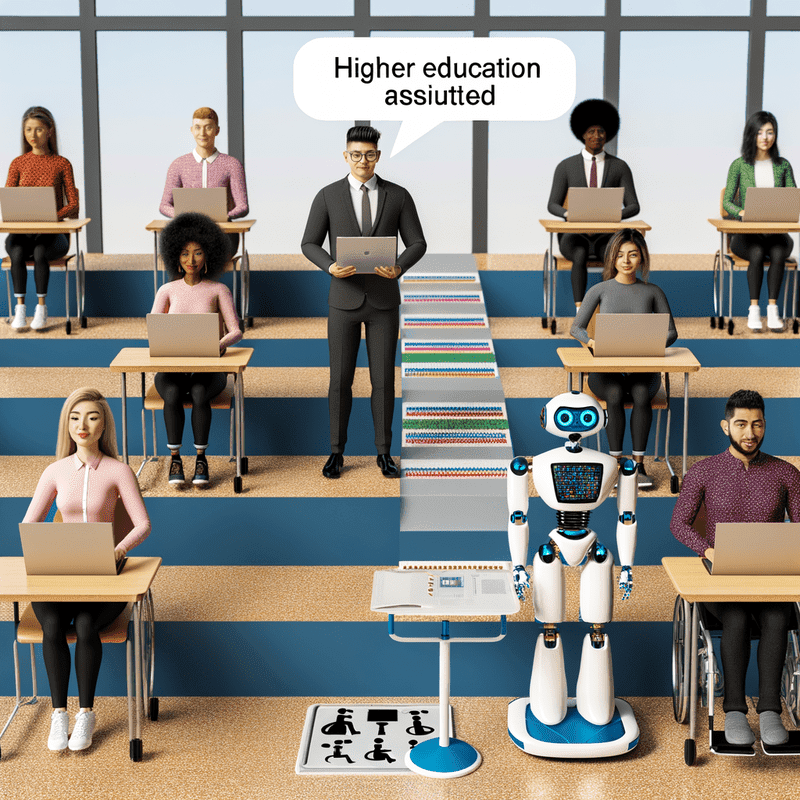
Legal considerations are also crucial; educators must ensure that AI tools comply with regulations regarding accessibility and inclusion. There are policy recommendations suggesting a continuous review of these tools to ensure equity in access and reduce the digital divide. Furthermore, the issue of academic dishonesty arises with generative AI tools, which can facilitate plagiarism or deception if not properly monitored. Therefore, ethical assessment and careful policy design are essential to ensure that AI is used responsibly.
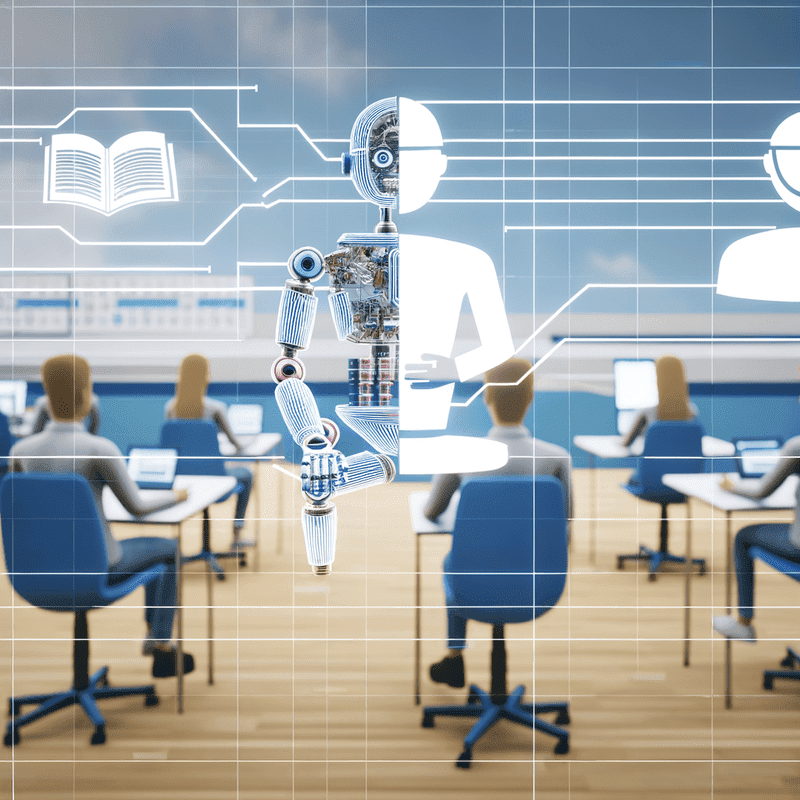
Assistive technologies based on artificial intelligence are transforming higher education, promoting accessibility for students with disabilities. Despite these advancements, it is crucial to address the ethical and legal challenges to ensure responsible and equitable use of these tools. Only then can an equitable and inclusive educational environment be achieved for all students.