
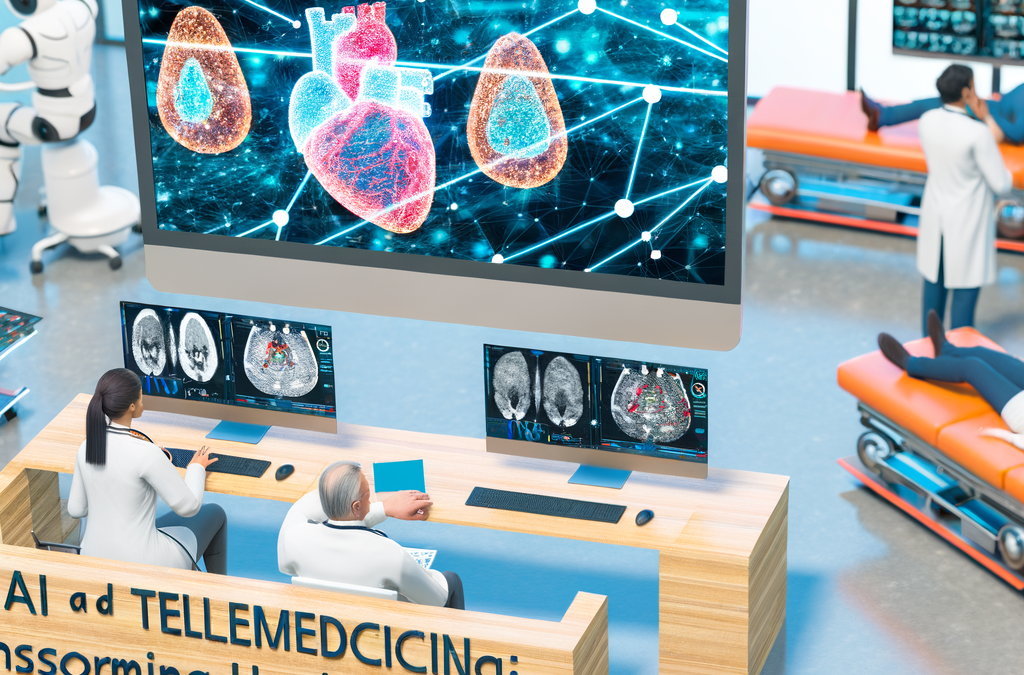
The digital revolution is transforming the healthcare field, and artificial intelligence (AI) is emerging as an indispensable ally in this process. This article explores how AI is enhancing telemedicine and virtual care, improving health plan outcomes for members through personalized treatments, particularly in the digital management of chronic diseases such as diabetes.
AI and Telemedicine: A New Paradigm in Virtual Care
Telemedicine has become a crucial pillar of the healthcare system, especially during and after the COVID-19 pandemic. Enhanced by AI, this modality is elevating healthcare to unprecedented levels. AI not only facilitates more efficient virtual consultations but also improves outcomes for health plan members, providing immediate access to medical professionals and reducing wait times.

By utilizing advanced algorithms, AI systems can analyze vast health data to identify patterns and anticipate health issues before they arise. This level of remote patient monitoring enables doctors to intervene early, which is crucial for chronic conditions. AI-enabled telemedicine platforms provide personalized treatments based on image analysis and genetic data, helping to design a patient-centered care plan tailored to their unique needs.
The Personalization of Treatment through Digital Diabetes Management
Diabetes, a disease that affects millions of people worldwide, is an example of how AI can transform healthcare through effective digital management. Precise glucose control and continuous monitoring using connected smart devices are made possible by AI, allowing patients and doctors to manage the disease more proactively.
Remote patient monitoring systems alert both patients and specialists when glucose levels deviate from the norm, enabling timely interventions. Through real-time data analysis, these systems promote personalized medicine that not only enhances medical outcomes but also provides a more accessible and affordable solution compared to frequent visits to clinics or offices.
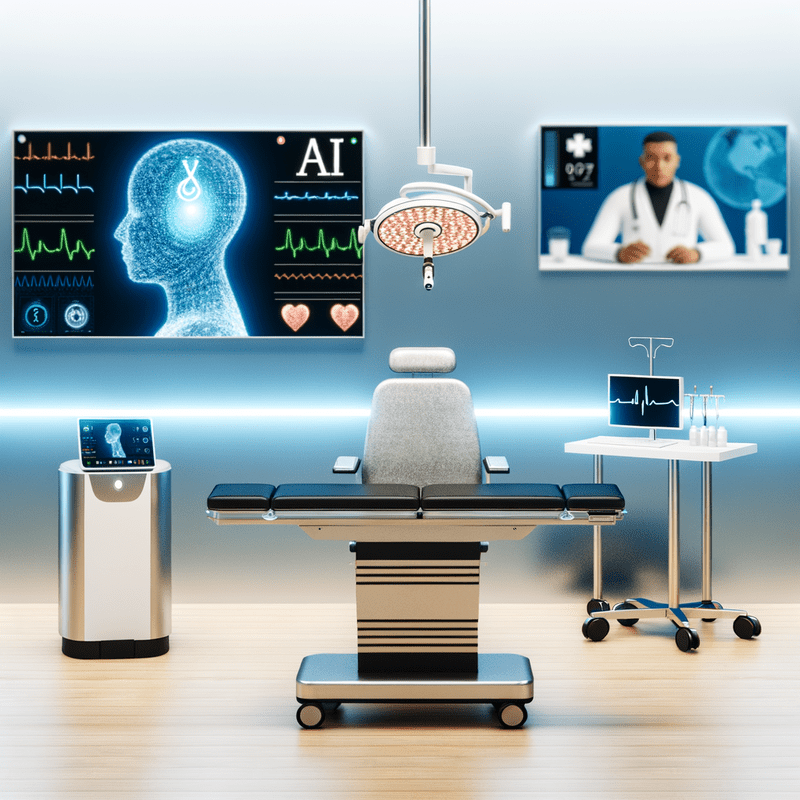
Beyond monitoring, the employee benefits strategy and health plans are incorporating this AI-centered approach to reduce costs and improve the quality of care. The ability of AI to analyze images and genetic data enables healthcare providers to offer unique and effective treatment options, transforming healthcare delivery by making it more personalized and less invasive.
The impact of these technological advancements extends to the quality and accessibility of care, providing affordable and high-quality solutions that were previously unimaginable. Optimizing the use of AI in the management of chronic diseases not only benefits patients but also enables employers to offer better benefits to their employees, positioning them as leaders in healthcare within their sector.
In summary, the fusion of artificial intelligence with telemedicine is revolutionizing healthcare by providing personalized treatments that enhance the quality and accessibility of care while optimizing health plans for members. This not only benefits patients but also strengthens benefits strategies and reduces costs for employers in the healthcare sector.