

Artificial intelligence (AI) is profoundly transforming cybersecurity, enhancing the protection and management of identities in the digital environment. This article explores how technologies such as biometrics and decentralization, along with strict regulations, are redefining authentication and access to critical systems, mitigating risks and facilitating users’ lives.
The role of artificial intelligence in identity authentication and protection
The rapid evolution of information technologies brings with it an increase in cyber risks, such as cyberattacks and identity theft. To mitigate these risks, artificial intelligence has become a key tool in the field of cybersecurity. Traditionally, access to sensitive systems and data has been protected by passwords; however, these are increasingly vulnerable to sophisticated attack methods. This is where passwordless technology, enabled by AI, takes center stage, using more secure alternatives such as biometrics and OpenID-based authentication systems.
Biometrics, which leverage unique user characteristics such as fingerprints or facial recognition, provide a more secure method of access by reducing the reliance on credentials that can be stolen. This security mechanism represents a significant advancement in reducing identity theft and protecting sensitive data. AI enhances the accuracy and reliability of biometric systems, ensuring that the user’s identity is verified efficiently and securely.
Decentralization and its impact on cybersecurity infrastructures
Decentralization is another emerging trend driven by AI, aiming to distribute data storage and control across multiple centers instead of concentrating it in a single location. This not only enhances protection against cyberattacks but also increases the resilience of digital infrastructures against disruptions and unforeseen events. Decentralized systems, combined with artificial intelligence, can detect and mitigate threats in real-time, minimizing the potential impact on users.

Furthermore, decentralization supports compliance with privacy regulations by allowing for better control over the distribution and access to sensitive user data. This approach reduces the risk of exposure of critical information while respecting the ever-evolving standards and regulations. The integration of an omnichannel security model, which ensures ease of use and accessibility across different devices and platforms, becomes a more tangible reality thanks to the decentralized infrastructure supported by AI.
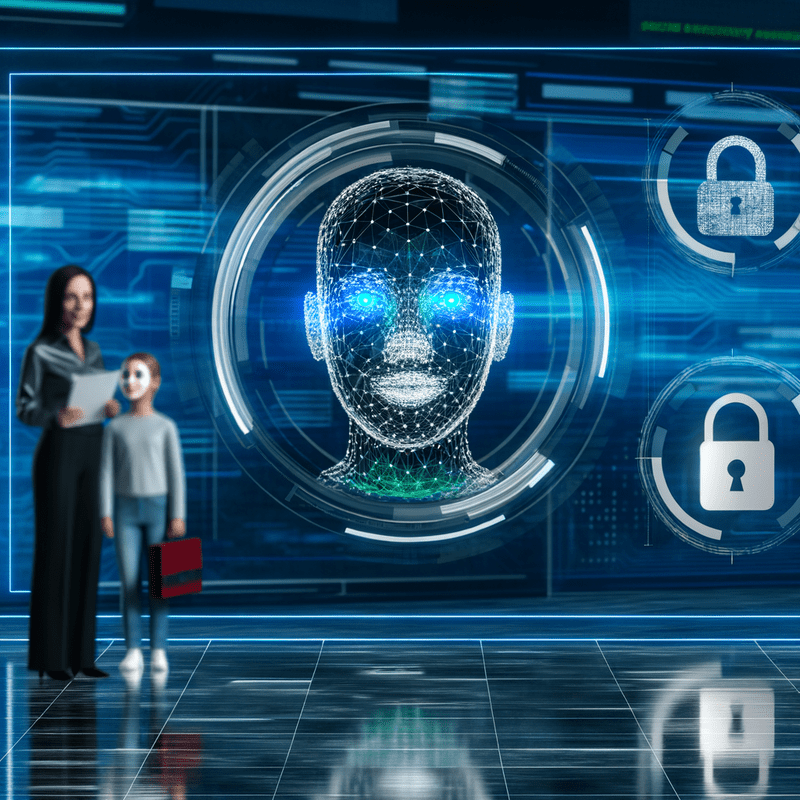
AI-based security platforms not only enhance incident response capabilities but also facilitate the identification of anomalies in access attempts, thereby strengthening defenses against cyberattacks. These platforms play a crucial role in compliance with cybersecurity regulations, providing the necessary tools for efficient identity and credential management. This results in a more robust and adaptable protection that aligns with the latest demands of the ever-changing digital landscape.
Artificial intelligence plays a fundamental role in revolutionizing authentication and identity protection, enhancing security and privacy. From passwordless technologies to decentralized infrastructures, AI facilitates compliance with cybersecurity regulations and mitigates risks. These innovations not only safeguard sensitive data but also improve the user experience, providing a more secure and seamless interaction.
How This Works in Practice
Implementing AI-driven identity management and security involves a series of strategic steps that require careful planning and collaboration among various stakeholders. The first step is to assess the existing infrastructure to identify vulnerabilities and areas for improvement. Organizations should conduct a thorough risk assessment to understand the specific threats they face and the regulatory requirements they must comply with.
Once the assessment is complete, the next step is to define the objectives of the AI implementation. This typically involves setting clear goals regarding enhanced security, improved user experience, and compliance with regulations. Key personnel involved in this process usually include IT security teams, compliance officers, and software developers, all of whom must work together to ensure a cohesive strategy.
Following this, organizations must choose the appropriate AI technologies and tools that align with their goals. This could involve selecting biometric authentication systems, implementing decentralized data storage solutions, or integrating machine learning algorithms for anomaly detection. Pilot programs are often beneficial at this stage, allowing organizations to test these technologies in a controlled environment before full-scale deployment.
Training and awareness are critical components of the implementation process. Employees must be educated about the new systems and practices to ensure a smooth transition. This includes training on how to use biometric systems effectively and understanding the importance of adhering to security protocols.
Finally, ongoing monitoring and evaluation are essential to ensure the effectiveness of the AI-driven systems. Organizations should establish metrics to assess performance and security outcomes, allowing for continuous improvement and adaptation to emerging threats. Regular audits and updates to the technology are necessary to maintain high security standards and compliance with evolving regulations.
What to Watch Out For
While AI-driven identity management offers significant benefits, there are several limitations and trade-offs to consider. One of the primary challenges is the potential for bias in biometric systems. If the underlying algorithms are trained on unrepresentative datasets, they may produce inaccurate results for certain demographic groups, leading to accessibility issues and unfair treatment.
Another common pitfall is the over-reliance on technology. Organizations may mistakenly believe that implementing AI solutions alone will eliminate security risks. However, human oversight and intervention are still necessary to manage complex situations and respond to emerging threats effectively. Failing to balance technology with human judgment can lead to vulnerabilities.
Additionally, the implementation of decentralized systems may introduce complexities in data management. Organizations must ensure that they have robust protocols for data governance and access control to prevent unauthorized access and maintain data integrity across distributed systems.
Compliance with regulations is another area of concern. As data privacy laws evolve, organizations must stay informed about the implications of their AI solutions and ensure that they do not inadvertently violate regulations. This requires ongoing legal consultation and adaptation of policies as necessary.
Lastly, organizations should be cautious about user acceptance. If users perceive biometric authentication as intrusive or are concerned about privacy implications, they may resist adopting these systems, undermining the intended security benefits. Effective communication and user education are essential to mitigate these concerns.
Frequently Asked Questions
Q: How do AI-driven biometric systems ensure accuracy and reliability?
A: AI-driven biometric systems utilize advanced algorithms that continuously learn from user data, improving their ability to accurately identify individuals while minimizing false positives and negatives. These systems often undergo rigorous testing and validation to ensure they meet high standards of performance.
Q: What are the potential privacy concerns associated with biometric authentication?
A: Biometric authentication can raise privacy concerns, as it involves collecting and storing sensitive personal data. Organizations must implement strong data protection measures, such as encryption and strict access controls, to safeguard biometric information and comply with privacy regulations.
Q: How can organizations balance AI technology and human oversight in cybersecurity?
A: Organizations can balance AI technology and human oversight by establishing clear protocols for incident response that involve both automated systems and human experts. Regular training and simulations can help ensure that personnel are prepared to intervene when AI systems encounter complex or ambiguous situations.
Q: What should organizations consider when transitioning to decentralized data storage?
A: When transitioning to decentralized data storage, organizations should consider the complexities of data governance, including access controls and compliance with data privacy laws. It is crucial to establish robust security measures and protocols for managing data across multiple locations to maintain integrity and confidentiality.