
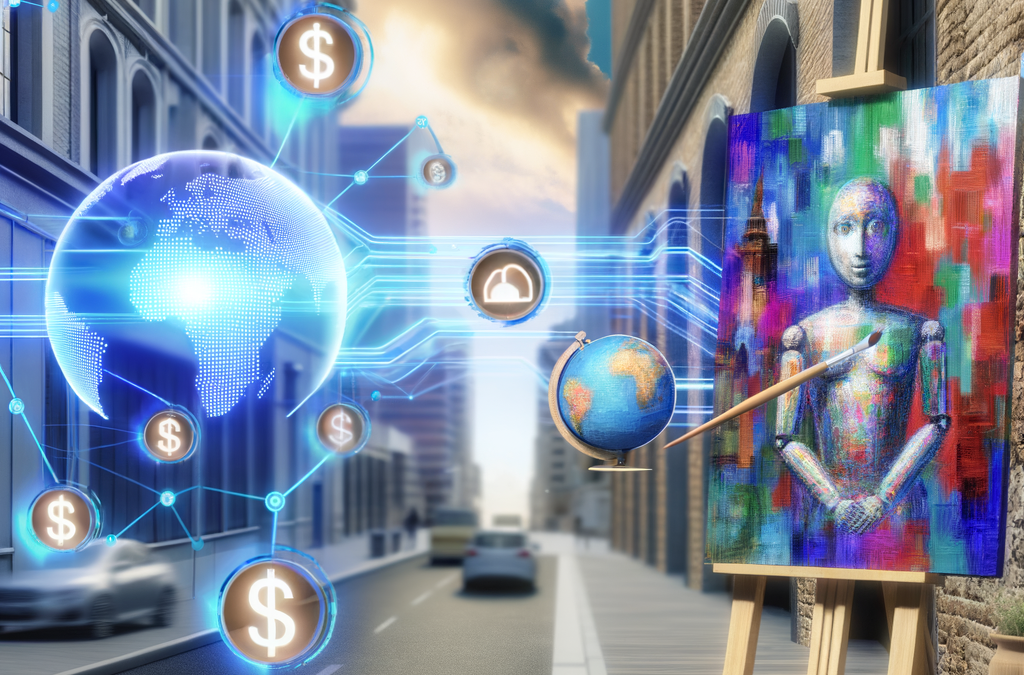
The artificial intelligence is revolutionizing the world of art in unprecedented ways, impacting everything from creation to the marketing of works. This article explores how AI is being integrated into the art market, analyzing its influence on valuation, cataloging, and trends, providing a vital tool for collectors and investors in an increasingly technological and globalized art world.
The artificial intelligence and the art market: an innovative union
The emergence of artificial intelligence in the art market has opened up a range of possibilities for artists, collectors, and investors. This phenomenon represents a true revolution in the way we understand and value art, where technology and innovation play crucial roles. Historically, art has been an area primarily reserved for human judgment; however, the advancement of AI offers new perspectives that complement human experience and judgment.
Among the most notable applications of artificial intelligence in the art market are data analysis and big data technology. Through advanced algorithms, technology experts can process vast amounts of information to predict future market trends. This enables collectors and investors to make informed decisions based on predictive models designed to discern patterns in art collecting behaviors and auction prices.

On the other hand, AI is also transforming the authentication of artistic works. Sophisticated pattern recognition systems can be employed to verify the authenticity of a painting, thereby reducing the risk of fraud. These systems are capable of identifying features that are almost imperceptible to the human eye, ensuring that the works are legitimate. In a market where authenticity is crucial for both the prices of artworks and the reputation of collectors and investors, AI emerges as an invaluable tool.
Furthermore, artificial intelligence acts as a powerful tool for research and cataloging. The proper cataloging of artworks not only optimizes their conservation and study but also facilitates their management and sale. By automating and accelerating these processes, AI helps make the art market more transparent and accessible, benefiting both experts and beginners.
Impact on auction prices and investment strategies
The impact of artificial intelligence on the art market also extends to auction prices. Through complex algorithms capable of analyzing market trend forecasts and past price behaviors, AI has changed the game in auction houses. Instead of relying solely on human experience and intuition, predictive models can be used to help establish optimal selling prices for artworks.
This data-driven approach not only enhances the prediction of auction prices but also provides a competitive advantage to collectors and investors. By gaining a better understanding of market dynamics, users of AI technology can adjust their investment strategies in a more precise and profitable manner. For instance, by charting the historical behavior of certain pieces or artists, it becomes possible to anticipate the evolution of their value in the short and medium term. This ability to foresee trends is vital for collectors looking to maximize their portfolios or for investors seeking new business opportunities in art.

AI is also influencing the behavior of art collectors. By providing real-time data analysis, investors can quickly identify which types of artworks are increasing in popularity and which may be overvalued. These insights not only ensure better risk management but also allow for the diversification of art portfolios on a more solid foundation.
Artificial intelligence is achieving a balance between empirical knowledge and data-driven analysis, resulting in a more dynamic and efficient art market. The synergy between technological sophistication and human creativity is defining the future of art, making artificial intelligence not just a tool, but an indispensable ally for everyone in this sector.
How This Works in Practice
Implementing AI in the art market involves several structured steps that require careful planning and collaboration among various stakeholders. The first step is to establish a clear understanding of the specific objectives that AI will address, such as enhancing valuation accuracy, improving authentication processes, or streamlining cataloging. This foundational step often involves consultations with art experts, data scientists, and technology providers to identify the most pressing needs within the market.
Once the objectives are defined, the next phase involves data collection and preparation. High-quality datasets are crucial for training AI algorithms effectively. This may include historical auction results, artist biographies, and images of artworks, among other data points. Collaborating with art institutions, galleries, and auction houses can provide access to a rich repository of information, while ensuring compliance with data privacy regulations.
Following data collection, the implementation of AI models can begin. This typically involves selecting appropriate algorithms based on the defined objectives. For example, machine learning techniques may be employed to predict auction prices, while deep learning may be used for image recognition in authentication processes. The development phase often includes iterative testing and refinement to ensure accuracy and reliability.
After the models are developed, the next step is integration into existing systems. This may require collaboration with IT teams to ensure that the AI solutions work seamlessly with current platforms used by galleries, auction houses, and collectors. Training sessions for end-users are also essential to familiarize them with the new tools and their functionalities.
Finally, continuous monitoring and evaluation are necessary to assess the effectiveness of AI implementations. This involves collecting feedback from users, analyzing performance metrics, and making iterative improvements. Engaging with stakeholders throughout the process helps ensure that the AI solutions remain aligned with the evolving needs of the art market.
What to Watch Out For
While the integration of AI into the art market offers numerous benefits, there are also important limitations and trade-offs to consider. One significant concern is the potential for over-reliance on data-driven insights. While AI can analyze vast amounts of data, it may not fully capture the nuances of artistic value, which often includes subjective elements such as cultural significance and emotional impact. Decision-makers must balance AI-generated insights with human expertise and intuition.
Another common pitfall is the quality of data used for training AI models. Inaccurate or biased datasets can lead to flawed conclusions and poor predictions. It is crucial to ensure that the data is comprehensive and representative of the diverse art market, as biases can inadvertently reinforce existing trends or undervalue emerging artists.
Scalability is another consideration. While AI tools may work effectively for specific segments of the art market, they may not be universally applicable across different categories or price ranges. Collectors and investors should be cautious when applying AI insights to niche markets or less mainstream artworks, where data may be sparse.
Lastly, ethical considerations surrounding AI in art should not be overlooked. The use of AI to create art raises questions about authorship and originality, which could impact the market dynamics in unforeseen ways. Stakeholders should engage in thoughtful discussions about these ethical implications as they adopt AI technologies.
Frequently Asked Questions
Q: How can AI help in authenticating artworks?
A: AI can assist in authenticating artworks by using sophisticated pattern recognition systems that analyze visual characteristics and compare them against known works. This helps identify subtle features that may indicate authenticity or forgery, providing a more reliable verification process.
Q: What types of data are most useful for AI in the art market?
A: Useful data types include historical auction prices, artist biographies, gallery exhibition records, and images of artworks. This diverse data set allows AI algorithms to identify trends, predict prices, and assess the authenticity of artworks more effectively.
Q: Are there risks associated with using AI in art investment decisions?
A: Yes, there are risks, including over-reliance on data-driven insights that may not capture subjective elements of art value. Additionally, poor-quality data can lead to inaccurate predictions, and ethical concerns may arise regarding authorship and originality in AI-generated art.
Q: How do I ensure that AI tools are being used effectively in my art investments?
A: To ensure effective use of AI tools, invest in quality training for users, regularly evaluate the performance of AI models, and maintain a balance between data-driven insights and human expertise. Engaging with experienced data scientists and art professionals can also enhance the effectiveness of AI applications.