
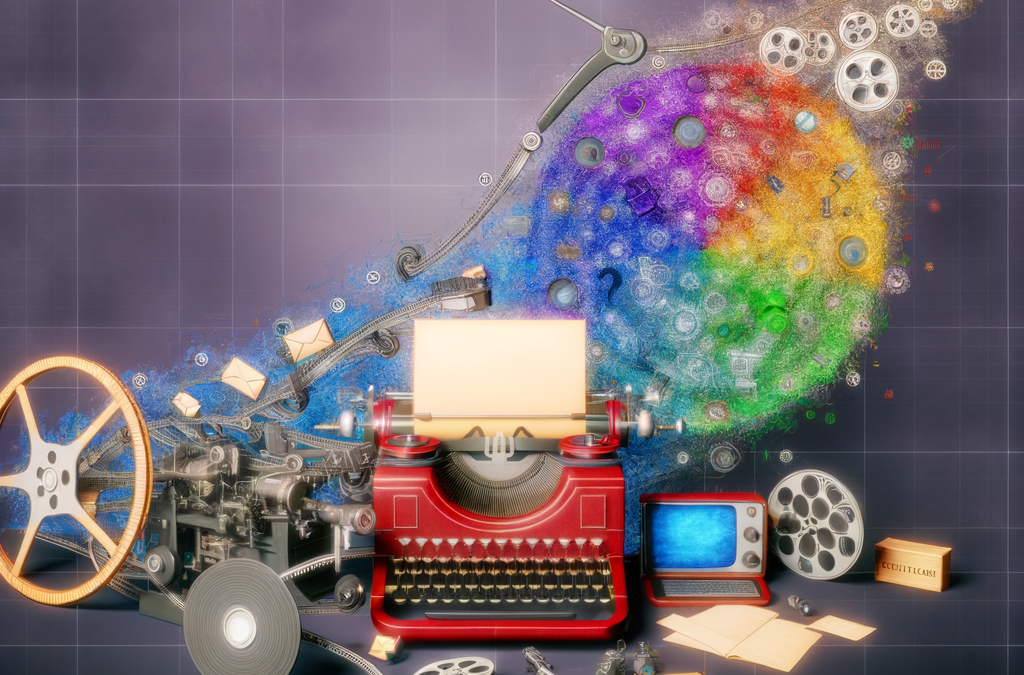
Artificial intelligence (AI) is radically transforming the film industry, from production to distribution and marketing. This article explores how AI is impacting every stage of the filmmaking process, highlighting the role of technology in the creation and promotion of audiovisual content, its influence on narrative, and its penetration into contemporary visual culture.
Transformation of Film Production
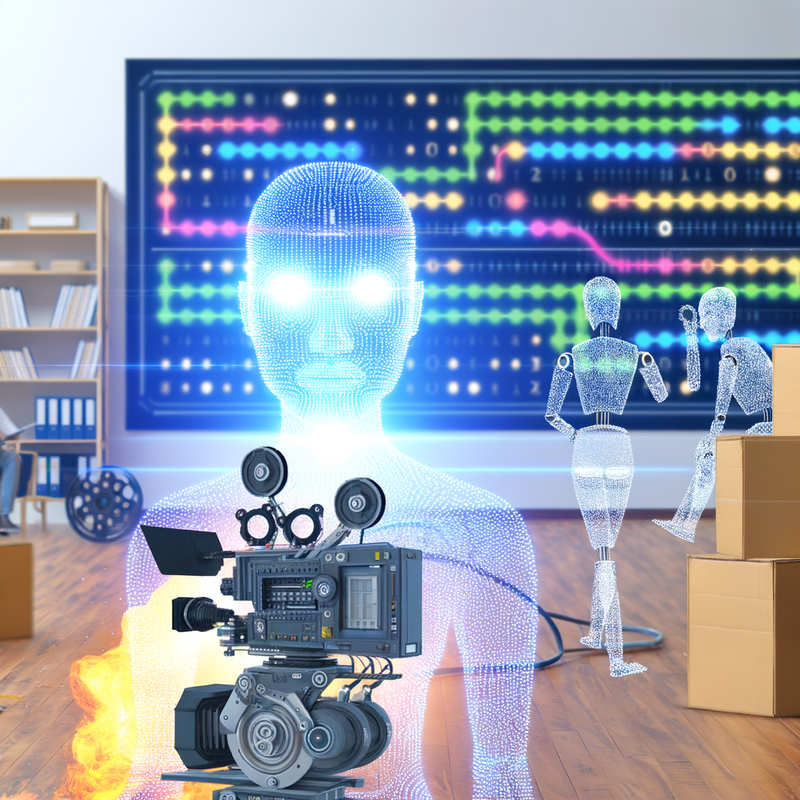
The film production industry is undergoing a significant transformation thanks to the integration of artificial intelligence. AI tools are optimizing creative and technical processes, allowing filmmakers to focus more on developing narrative content. Advanced algorithms are being implemented in shooting planning and post-production editing, providing solutions that previously required a huge investment of time and human resources. For instance, AI can analyze scripts to anticipate issues or make suggestions regarding the feasibility of certain scenes, streamlining the pre-production phase.
Furthermore, digital effects technology has made a qualitative leap with the use of AI, allowing for the creation of hyper-realistic images more efficiently. This not only reduces costs but also expands the boundaries of creativity and artistic intervention. The interaction of algorithms with digital design tools has enabled the creation of visual sequences that challenge the traditional boundaries of cinema., enriching the visual culture of an increasingly discerning audience. Universities and research centers are closely collaborating with the industry to develop technologies that enhance these capabilities, highlighting the interdisciplinary nature of this development.
 inteligencia artificial está redefiniendo la industria cinematográfica.” />
Impact on Film Distribution and Marketing
Artificial intelligence is also redefining how movies are distributed and marketed. The consumption of audiovisual content has increasingly migrated to digital platforms, where AI algorithms play a crucial role in promoting and distributing content. These platforms use artificial intelligence to personalize the user experience, tailoring recommended content based on individual viewing patterns. This approach has not only transformed the way content is consumed but has also opened new opportunities for marketing films in global markets, diversifying audiences and adapting promotional strategies to the preferences of consumers from different cultures.
Another area where AI has had a notable impact is in advanced analytics, which enables the prediction of a film’s potential success prior to its release. By analyzing large volumes of data on audience preferences, consumption trends, and statistics from past films, AI algorithms provide valuable insights on how to effectively market a cinematic production. These analytical capabilities not only enhance the efficiency of business strategies but are also revolutionizing the way strategic decisions are made in the industry.
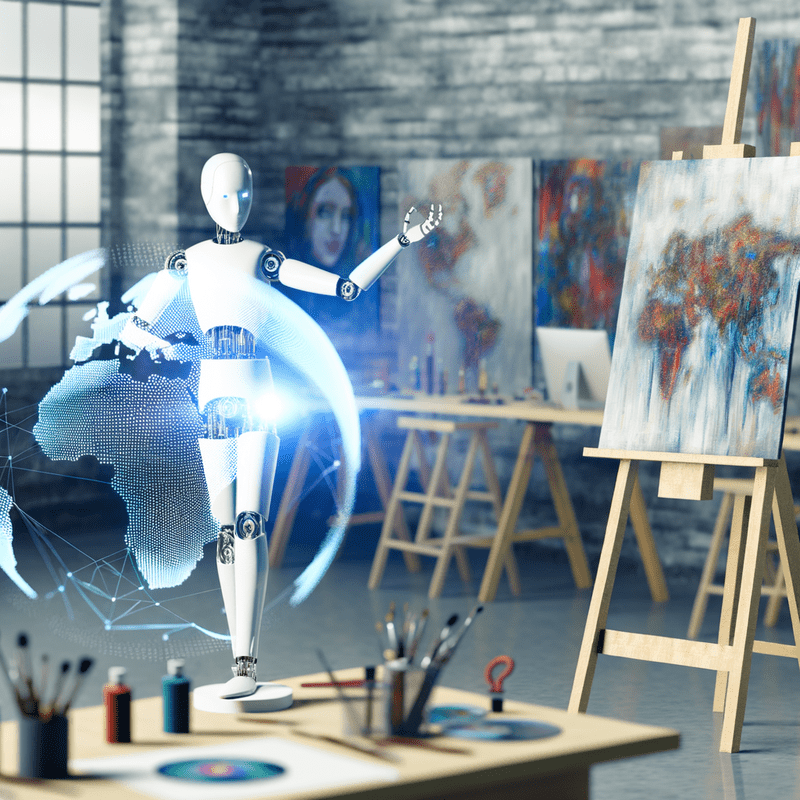
Through various approaches, artificial intelligence is redefining the film industry. From production to distribution and marketing, AI drives technological advancements that enhance creativity and efficiency. Interdisciplinary collaboration and joint development between universities, research centers, and the industry highlight the promising and ever-evolving future of cinema in contemporary society.
How This Works in Practice
Implementing AI in the film industry involves a series of structured steps that require careful planning and collaboration among various stakeholders. The process typically begins with identifying specific areas where AI can add value, such as script analysis, visual effects, or audience engagement. Once these areas are pinpointed, the following steps are generally followed:
- Assessment of Needs: Filmmakers must evaluate their current processes and pinpoint inefficiencies or challenges that AI might address. This may involve consultations with technical experts in AI and data analytics.
- Technology Selection: Depending on the identified needs, suitable AI tools and platforms must be selected. This could range from script analysis software to advanced visual effects engines that utilize machine learning algorithms.
- Integration and Testing: The chosen AI tools need to be integrated into existing workflows. This step often requires collaboration between filmmakers, data scientists, and software developers to ensure that the technology aligns with creative goals.
- Training and Adaptation: Crew members must be trained to use the new AI tools effectively. This often involves workshops and hands-on sessions where filmmakers learn how to leverage AI for their projects.
- Continuous Feedback and Iteration: As projects progress, ongoing feedback should be collected to refine the use of AI tools. This iterative process helps to improve efficiency and adapt to any emerging challenges.
In terms of personnel, a multidisciplinary team is essential. This team typically includes filmmakers, data scientists, AI specialists, and marketing professionals who work collaboratively to harness the full potential of AI throughout the filmmaking process.
What to Watch Out For
While the integration of AI into filmmaking offers numerous advantages, there are also limitations and potential pitfalls that decision-makers should be aware of:
- Over-reliance on AI: Filmmakers may fall into the trap of depending too heavily on AI-generated insights, which could stifle creative intuition and innovation. It is essential to balance data-driven decisions with human creativity.
- Data Quality Issues: AI algorithms are only as good as the data they are trained on. Poor quality or biased data can lead to inaccurate predictions and poor decision-making. Ensuring high-quality data is crucial for effective AI implementation.
- Integration Challenges: Merging new AI technologies with existing production workflows can be complex. Resistance from team members accustomed to traditional methods may hinder successful integration.
- Ethical Considerations: The use of AI, particularly in areas like deepfake technology, raises ethical questions about authenticity and consent. Filmmakers must navigate these concerns carefully to maintain trust with audiences.
- Cost Implications: While AI can lead to cost savings in the long run, the initial investment in technology and training can be significant. Producers need to weigh these costs against the expected benefits.
Frequently Asked Questions
Q: How can AI improve scriptwriting?
A: AI can analyze existing scripts to identify patterns, suggest plot developments, and even generate dialogue options. This helps writers explore new directions and refine their narratives more effectively.
Q: What role does AI play in audience engagement?
A: AI algorithms analyze viewer behavior to tailor marketing strategies and personalized content recommendations, enhancing the likelihood of audience engagement and satisfaction.
Q: Are there risks associated with using AI in visual effects?
A: Yes, while AI can enhance visual effects, there are concerns about over-reliance on technology, which may lead to a lack of originality or authenticity in visual storytelling.
Q: How do filmmakers ensure ethical use of AI?
A: Filmmakers can establish ethical guidelines for AI use, ensure transparency in AI-generated content, and engage in discussions about the implications of technology on storytelling and audience perception.
Related Articles
Get our new articles by email
One email per article. Unsubscribe anytime.