
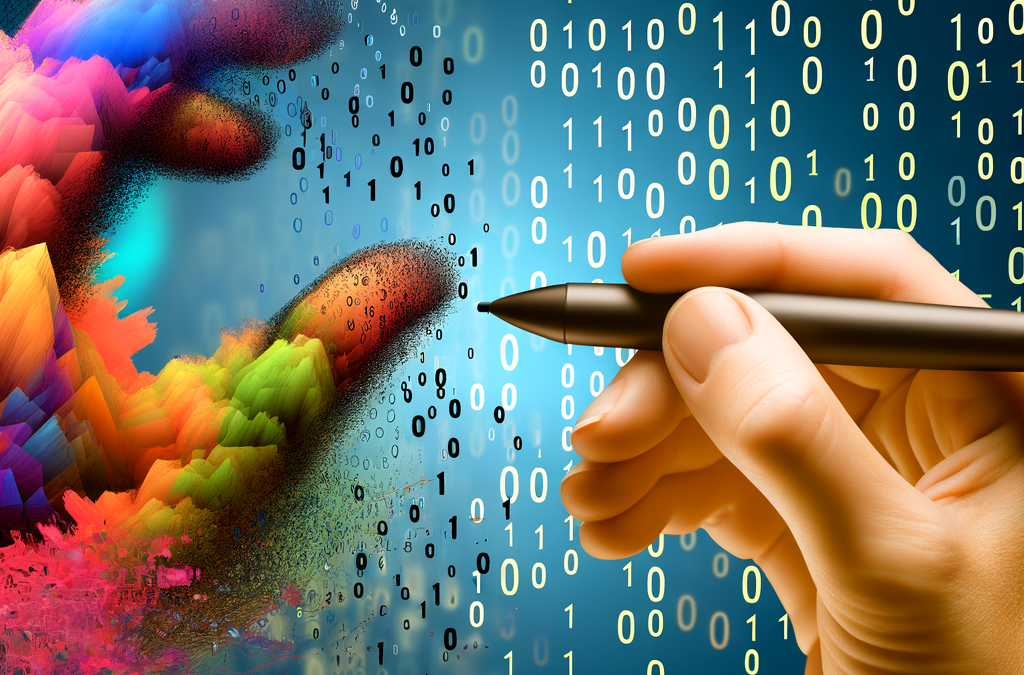
v and authorship. This article provides a comprehensive guide on the future of creators of art through AI, exploring its ethical implications, how it is revolutionizing artistic expression, and its impact on the art market.
The Revolution of Art by AI: Reimagining Artistic Expression
The AI Art revolution is here, and it is radically changing the way we understand artistic creation. With the emergence of algorithms and machine learning techniques, AI Art Creators are designing works that challenge the boundaries of what is considered art. These tools not only create striking images but also open a new dialogue about the relationship between technology and human creativity.
Ocoya, a comprehensive tool, stands out for providing AI-powered solutions that engage audiences across platforms such as Instagram and Snapchat. By integrating AI-generated visual content with adaptive copywriting, Ocoya enables content creators to explore new creative goals. The AI Art Creators not only enhance the productivity and creativity of freelancers but also democratize the artistic creation process, allowing more individuals to participate in this dialogue.

However, the presence of these algorithms raises controversies regarding authorship and ethics. Who is the true author of a work created by AI? Is it the human who programs the machine or the machine itself that generates new artistic combinations? These questions provoke a deep reflection on the role of artificial intelligence in creative production.
Economic and Cultural Impact on the Art Market
The art market is also being shaken by the emergence of AI-generated art, creating a disruption in the traditional value of art. AI-generated artworks have begun to appear at international auctions, and while they generate significant interest, they also spark a debate about the exclusivity and uniqueness of contemporary art. How is the value of a piece created by an algorithm measured against one made by a human artist?
Furthermore, the implications of the democratization of art through technology are extensive. With the ability to automate creative processes, AI Art Creators have made art more accessible to individuals who previously lacked the means or skills to create it. This accessibility has transformed the art industry, giving rise to a new class of digital artists who benefit from the power of cutting-edge software, such as GPT-4o, which provides comparative insights and enables unique engagements on social media.
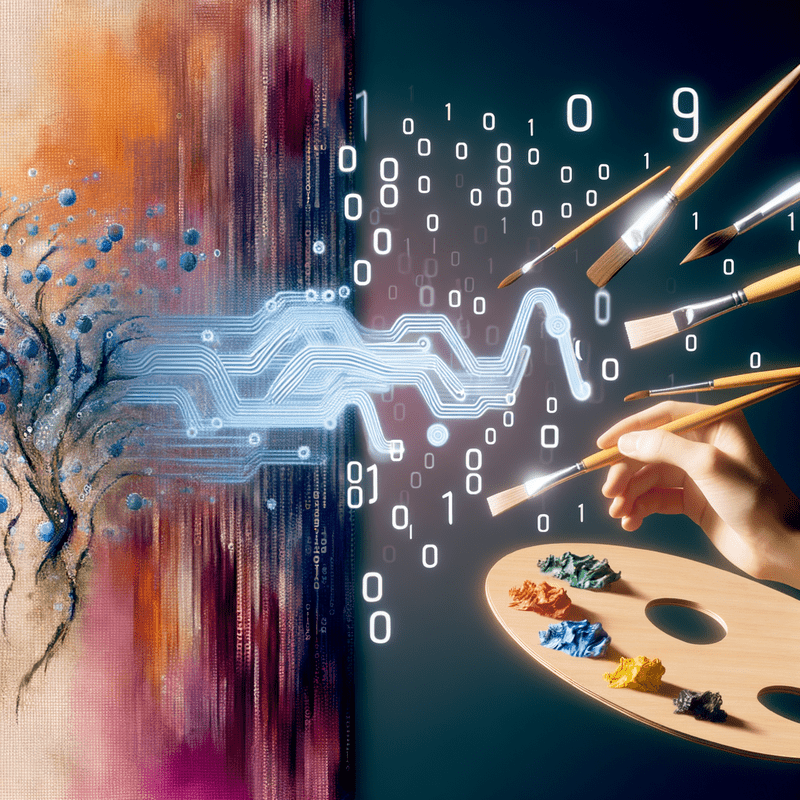
On the other hand, the rise of these technologies presents unique challenges and opportunities for entrepreneurs, who must adapt to changing trends and ensure that their social media marketing strategies are aligned with AI-driven applications and content. Tools like Ocoya promise to manage and maximize productivity with advanced methods such as scheduling and automation, which are essential in today’s digital environment.
The role of social media as platforms for showcasing and marketing art is also evolving. The ability to integrate shopping experiences and livestreaming on Instagram is expanding the possibilities for interaction and direct sales, making art more accessible and appealing to contemporary audiences. Ultimately, the political and cultural influence of these technological transformations in the art industry continues to stimulate debates about the future of collaboration between humans and machines.
AI-driven artistic creations are challenging and expanding traditional notions of creativity, from production to the art market. By democratizing access to artistic creation and fostering new forms of interaction on social media, AI Art Creators are transforming the industry, setting a precedent for the future interaction between technology and human creativity.
How This Works in Practice
Implementing AI in the art creation process involves several strategic steps that ensure both functionality and creativity. Initially, artists or creators must assess their objectives and the specific type of art they wish to produce. This includes determining the style, medium, and themes they want to explore using AI technologies. Once the goals are set, the following steps can be taken:
- Selection of AI Tools: Creators should choose appropriate AI tools based on their technical capabilities and artistic needs. Tools like Ocoya or other AI art generators can be explored for their features, ease of use, and integration options.
- Training the Model: If the selected AI tool allows customization, creators may need to train the model using datasets that reflect their desired artistic style. This step is crucial as it influences the output quality and relevance to the creator’s vision.
- Collaboration with AI: The next phase involves interactive experimentation. Creators should engage with the AI by inputting prompts, refining outputs, and iterating on designs. This dynamic process encourages a collaborative spirit between human creativity and machine learning.
- Feedback and Refinement: After generating initial artworks, it is essential to collect feedback from peers or audiences. This input can guide further refinements and adjustments to the AI’s parameters or the creator’s approach.
- Integration into Artistic Practice: Finally, the AI-generated artworks can be integrated into broader artistic practices, such as exhibitions, online portfolios, or social media campaigns. Creators should consider how to present these works effectively to engage their target audience.
Collaboration with technologists and data scientists can also enhance the implementation process, allowing for more sophisticated applications of AI in art creation.
What to Watch Out For
While the integration of AI into artistic practices offers numerous benefits, there are several limitations and trade-offs that creators should consider:
- Quality Control: AI-generated art may sometimes lack the nuanced touch that human artists bring. Creators must be prepared to critically evaluate the outputs and make necessary adjustments to meet their artistic standards.
- Over-Reliance on Technology: There’s a risk that artists might become overly dependent on AI tools, potentially stifling their own creative instincts and traditional skills. It is essential to strike a balance between using AI and maintaining personal artistry.
- Ethical Considerations: The questions surrounding authorship and originality in AI art remain contentious. Artists should navigate these issues carefully to avoid legal disputes and maintain their reputations.
- Market Saturation: As AI tools become more accessible, the art market may become flooded with similar styles and outputs, leading to challenges in distinguishing one’s work. Creators need to focus on innovation and personal expression to stand out.
- Technical Challenges: Not all creators possess the technical skills required to effectively utilize AI tools. There may be a steep learning curve, and not all artists may have the resources to invest in training or advanced software.
Being aware of these potential pitfalls will help artists and creators navigate the evolving landscape of AI in art more effectively.
Frequently Asked Questions
Q: How can I ensure the originality of my AI-generated art?
A: To ensure originality, you can customize the AI model by training it on unique datasets that reflect your artistic style. Additionally, incorporating your creative input during the generation process can enhance the uniqueness of the final piece.
Q: What skills do I need to effectively use AI tools for art creation?
A: While some AI tools are user-friendly, having a basic understanding of digital art techniques, familiarity with software interfaces, and a willingness to experiment will enhance your ability to create compelling AI-generated art.
Q: Can AI-generated art hold the same value as traditional artwork?
A: The value of AI-generated art is subjective and depends on various factors, including the creator’s intent, the uniqueness of the piece, and market demand. As the art world evolves, the perception of value may also shift.
Q: How can I market my AI-generated art effectively?
A: Utilize social media platforms for showcasing your work, engage with your audience through interactive content, and consider collaborating with influencers or other artists. Tools that automate scheduling and content generation can help maintain a consistent online presence.